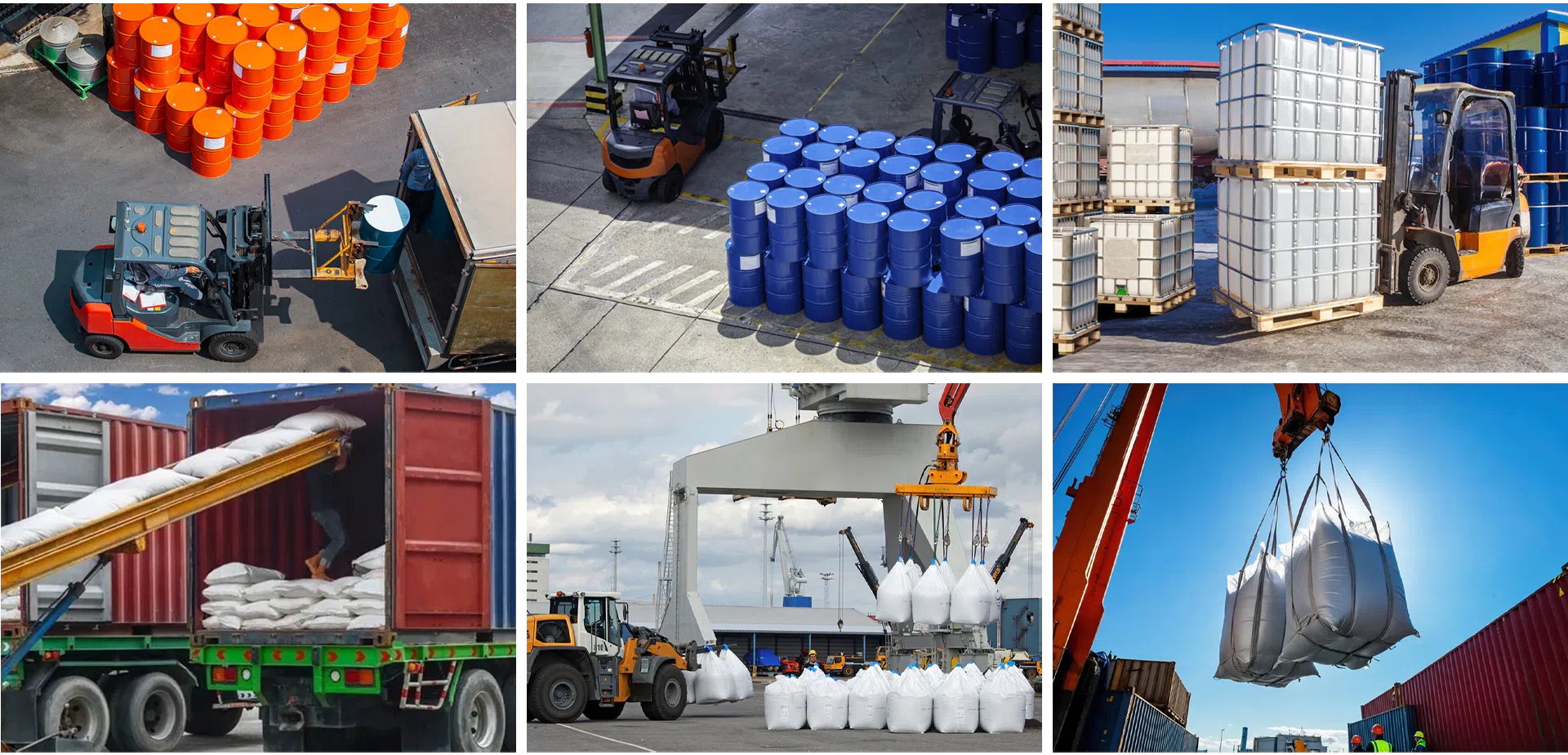

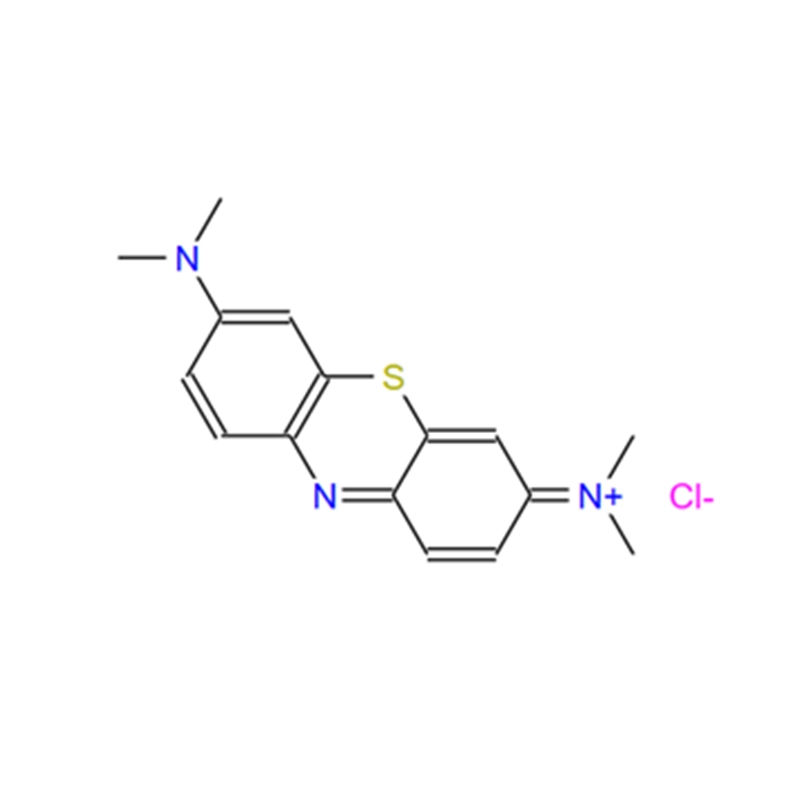
Products Description of METHYLENE BLUE CAS#61-73-4
Methylene blue (MB), a water-soluble reducing agent capable of passing through cell membranes effortlessly, features low toxicity and has been authorized for clinical administration.
First discovered and adopted by researchers in the 1800s, methylene blue boasts wide-ranging applications across multiple disciplines. It serves as a standard staining reagent in neuroanatomical and bacteriological studies, while acting as a redox indicator in biochemistry experiments.
Medically, MB acts as an antidote for methemoglobinemia triggered by nitrite intoxication and other toxicant exposures. Additionally, it delivers therapeutic effects against cyanide poisoning and encephalopathy caused by ifosfamide medication.
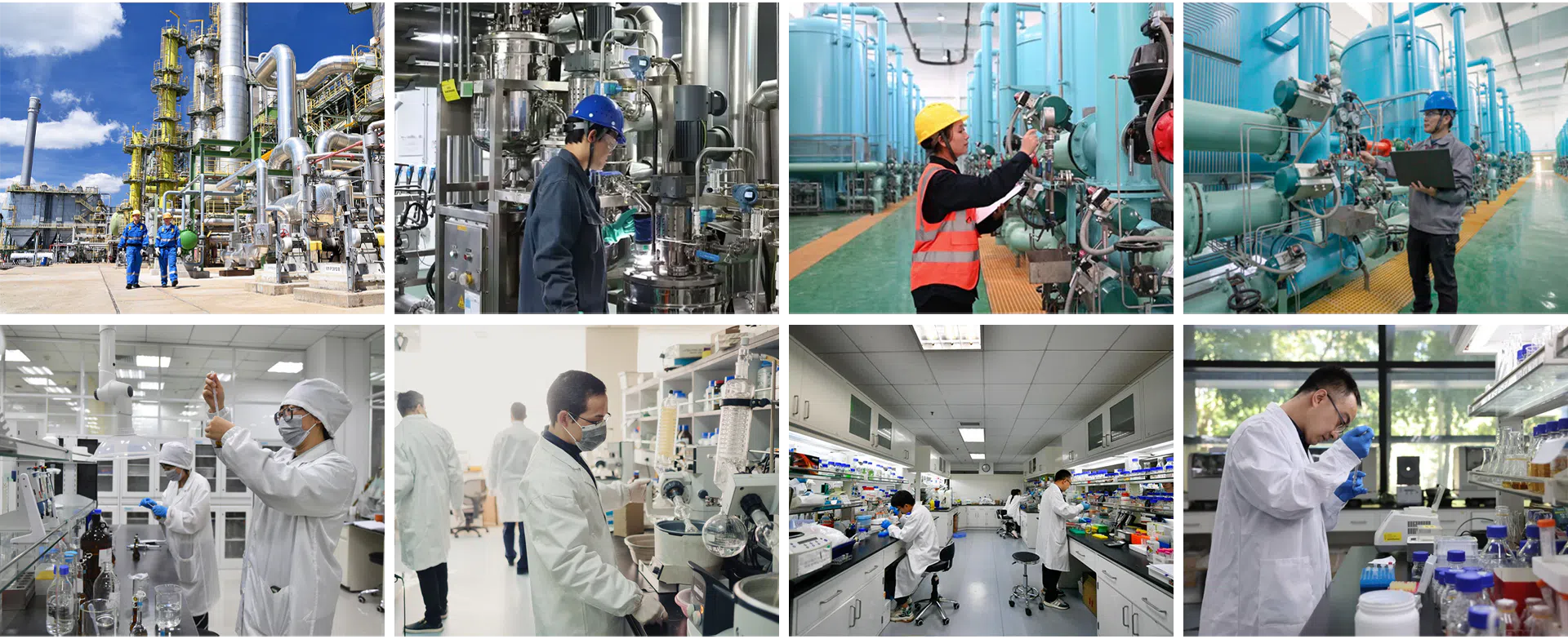
Factory Showcase
METHYLENE BLUE Chemical Properties
| Melting point | 190 °C (dec.)(lit.) |
| Density | 1.0 g/mL at 20 °C |
| Refractive index | n20/D1.347 |
| Fp | 45 °C |
| Storage temp | room temp |
| Solubility | Soluble in water, ethanol, ethylene glycol, methyl cellosolve |
| Form | Liquid |
| Pka | 2.6, 11.2(at 25℃) |
| Colour Index | 52015 |
| color | Green |
| Specific Gravity | 0.98 |
| Odor | Odorless |
| Water Solubility | 40 g/L (20 ºC) |
| λmax | 661 nm |
| Merck | 146060 |
| BRN | 3641570 |
| Biological Applications | Detecting microorganisms; treating diabetic retinopathy,macular degeneration,malignant uveal melanomas, erysipelas,hidradenitis suppurativa,inflammation,skin diseases |
| NIST Chemistry Reference | Methylene blue(61-73-4) |
| EPA Substance Registry System | Methylene blue (61-73-4) |
Safety Information
| Hazard Codes | Xn |
| Risk Statements | 10-41-22-20/21/22-36/37/38 |
| Safety Statements | 26-39-36 |
| RIDADR | UN 1993 3/PG 3 |
| WGK Germany | 3 |
| RTECS | SP5740000 |
| HS Code | 32049010 |
| Hazardous Substances Data | 61-73-4(Hazardous Substances Data) |
| Toxicity | LD50 oral in rat: 1180mg/kg |
Inventory Display
Product Application of METHYLENE BLUE CAS#61-73-4
Methylene blue is a low-toxicity chromogenic agent that exhibits a blue hue under oxidized conditions and turns transparent upon reduction. When employed for vital staining of live yeast, vigorous intracellular metabolic processes generate powerful reductive substances, which transform oxidized blue methylene blue into its colourless reduced derivative. In contrast, cells with sluggish metabolism or dead yeast fail to produce enough reductants, retaining a deep or pale blue stain. This staining technique facilitates simultaneous observation of yeast cellular morphology and discrimination between live and dead yeast populations.
Beyond biological staining, methylene blue serves as a colorant for linen, silk, paper, bamboo and timber materials. It is also incorporated into manufacturing processes for printing inks and lake pigments, and widely utilised to stain biological tissues and bacterial specimens. A compound basic royal blue can be formulated by mixing methylene blue, basic violet 5BN and yellow dextrin at a mass ratio of 78:13:9.
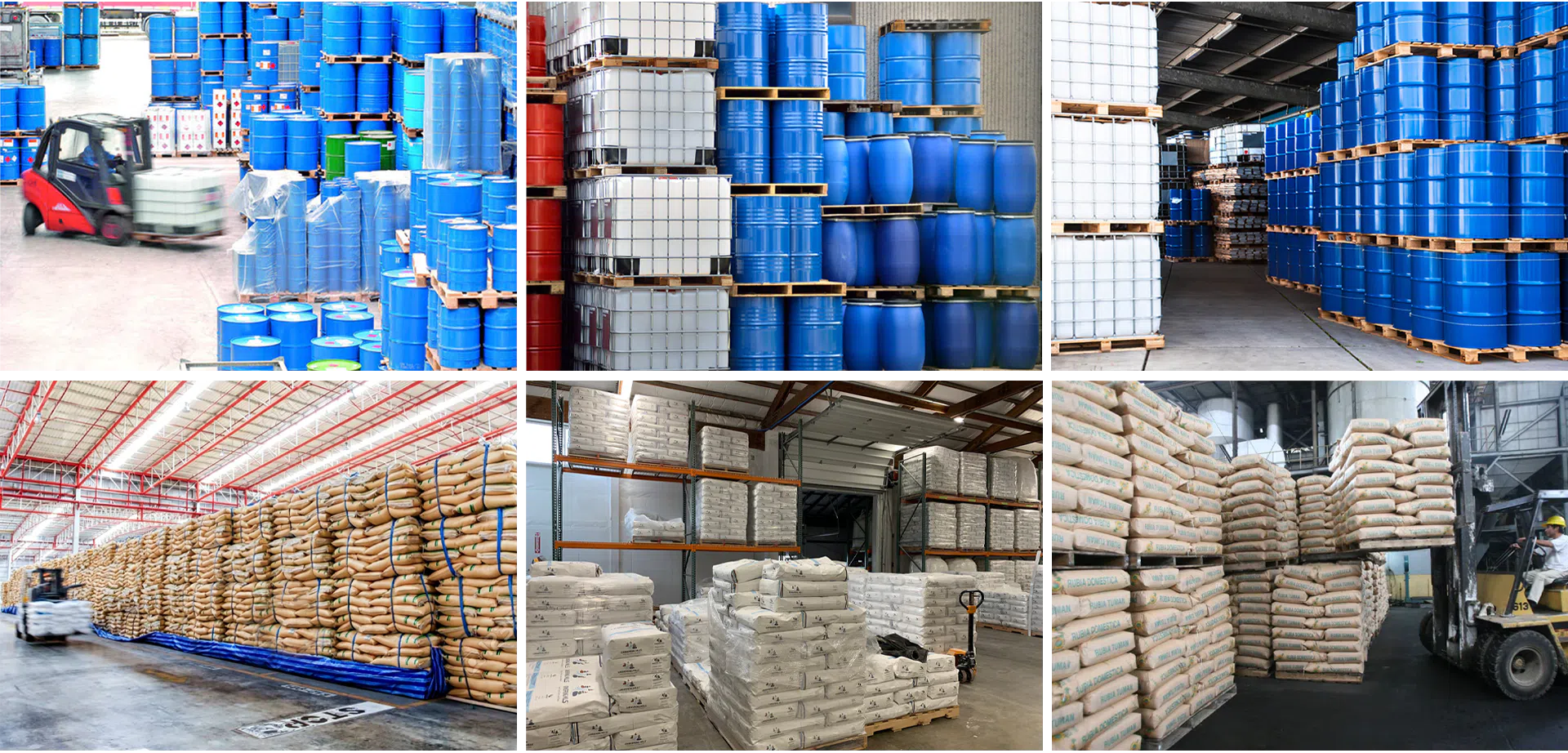
Transportation and Delivery