Products Description of Diacetoneacrylamide CAS#2873-97-4
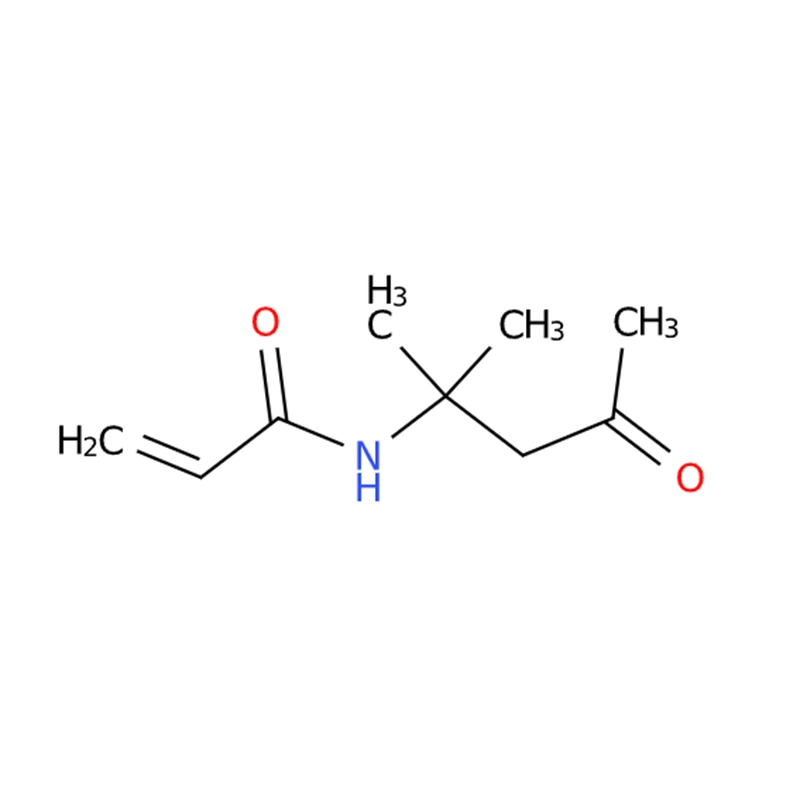
Diacetone acrylamide contains two highly reactive functional groups: an N-substituted amide group and a ketone group. It readily copolymerizes with ethylene and other vinyl monomers, enabling the effective incorporation of ketocarbonyl functionalities into polymer chains.
Through the reactivity of these ketocarbonyl groups, polymers can participate in crosslinking and grafting reactions, making them suitable for the production of adhesives, thickeners, paper strengthening agents, crosslinkers, and more.
This product is widely applied in coatings, adhesives, daily chemical formulations, epoxy resin curing systems, photosensitive resin modifiers, textile additives, as well as medical and healthcare materials.
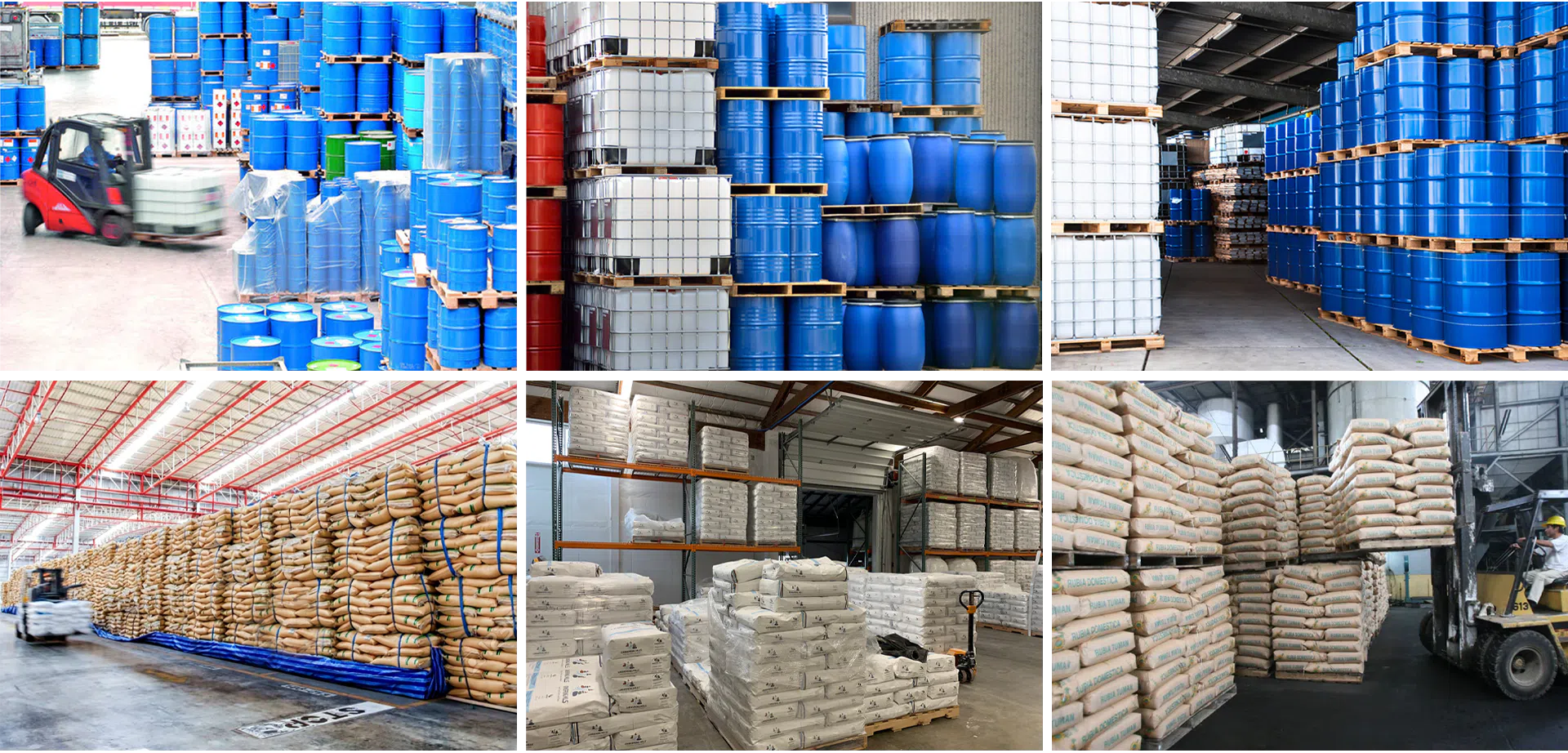
Factory Showcase
Diacetoneacrylamide Chemical Properties
| Melting point | 54-56 °C (lit.) |
| Boiling point | 120 °C (8 mmHg) |
| Density | 1.0873 (rough estimate) |
| Vapor pressure | 0.109Pa at 20℃ |
| Refractive index | 1.4200 (estimate) |
| Fp | >230 °F |
| Storage temp | Inert atmosphere,Room Temperature |
| Pka | 14.12±0.46(Predicted) |
| Form | Crystalline Powder or Flakes |
| Color | White to cream |
| Water Solubility | soluble |
| Sensitive | Hygroscopic |
| Merck | 142,963 |
| BRN | 1928444 |
| InChIKey | OMNKZBIFPJNNIO-UHFFFAOYSA-N |
| LogP | 0.321 at 21℃ |
| CAS DataBase Reference | 2873-97-4(CAS DataBase Reference) |
| NIST Chemistry Reference | 2-Propenamide, n-(1,1-dimethyl-3-oxobutyl)-(2873-97-4) |
| EPA Substance Registry System | N-(1,1-Dimethyl-3-oxobutyl)acrylamide (2873-97-4) |
Safety Information
| Hazard Codes | Xn |
| Risk Statements | 22 |
| Safety Statements | 23-24/25 |
| WGK Germany | 1 |
| RTECS | AS3475000 |
| F | 3 |
| TSCA | Yes |
| HS Code | 29241990 |
| Hazardous Substances Data | 2873-97-4(Hazardous Substances Data) |
| Toxicity | LD50 orally in mice: 7.7 mmol/kg (Hashimoto) |
Inventory Display
Product Application of Diacetoneacrylamide CAS#2873-97-4
Diacetoneacrylamide is an important vinyl monomer. Its homopolymer is water-insoluble but exhibits unique “water-breathing” properties. It can absorb water up to 20–25% of its own resin weight. When ambient humidity falls below 60%, the absorbed moisture is gradually released. In this process, water functions as a plasticizer for the polymer, giving it distinctive performance characteristics that enable a wide range of applications.
(1) Hair Perm Resins with Excellent Moisture Resistance
In Japan, it is used in moisture-resistant hair perm resins. Hairstyles treated with this material maintain their shape for extended periods and resist deformation caused by rain or washing.
(2) Photosensitive Resins
As a raw material component in photosensitive resins, this product provides:
· Rapid photoresponse
· Easy removal of non-image areas after exposure, resulting in clear images
· Finished patterns with excellent strength, solvent resistance, and water resistance
In addition, it can serve as:
· A crosslinking agent for unsaturated polyester resins
· A crosslinking agent for diallyl phthalate resins
· A curing agent for epoxy resins
It is also used in the production of “water-breathing” resins (such as contact lenses, anti-fog glass, and marine bottom coatings), pressure-sensitive adhesives, adhesive modifiers, nonwoven fabric binders, water-absorbing films, leather finishing agents and modifiers, paper strengthening agents, antistatic polymers, and inks.
Transportation and Delivery