Products Description of Levulinic Acid CAS#123-76-2
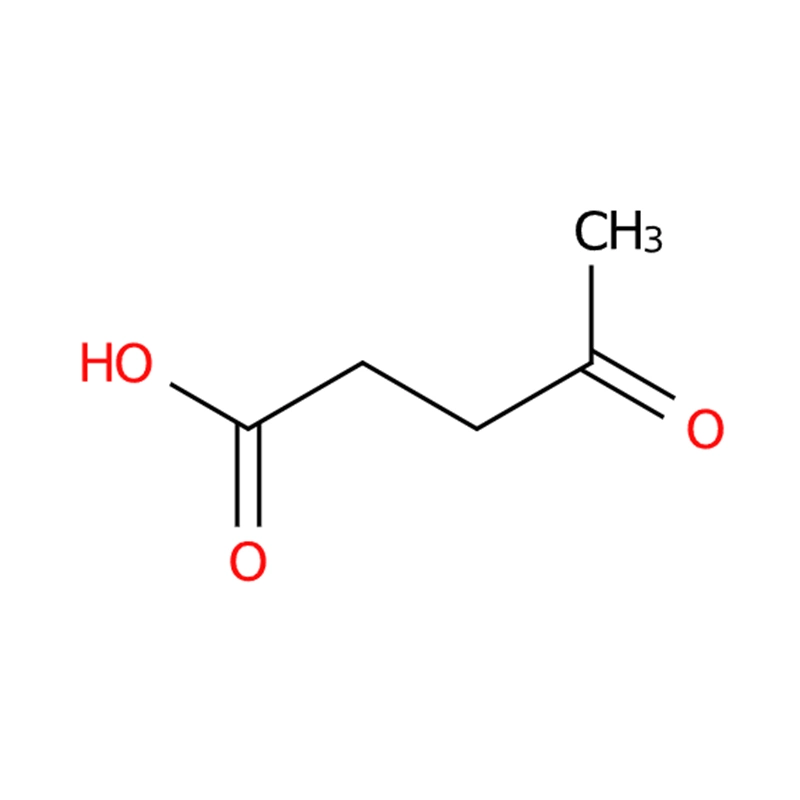
Possessing the chemical formula C₅H₈O₃, levulinic acid dissolves freely in water and multiple organic solvents, yet shows no solubility in gasoline, kerosene, turpentine and carbon tetrachloride.
It stays relatively stable under atmospheric distillation conditions. Extended thermal treatment, however, causes dehydration and yields unsaturated γ-lactone.
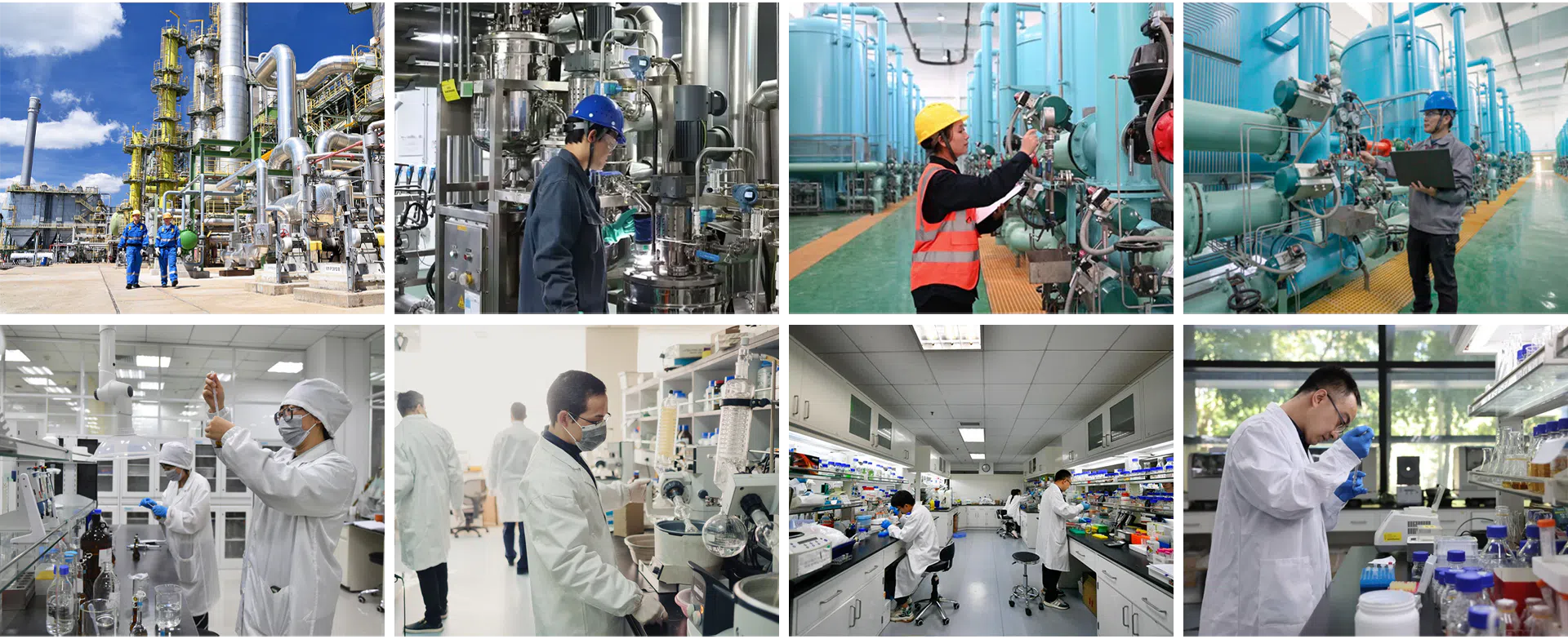
Factory Showcase
Levulinic Acid Chemical Properties
| Melting point | 30-33 °C (lit.) |
| Boiling point | 245-246 °C (lit.) |
| Density | 1.134 g/mL at 25 °C (lit.) |
| Vapor pressure | 1 mm Hg ( 102 °C) |
| Refractive index | n20/D 1.439(lit.) |
| FEMA | 2627 | LEVULINIC ACID |
| Fp | 280 °F |
| Storage temp | Store below +30°C. |
| Solubility | 675g/l |
| Form | Liquid After Melting |
| Pka | pKa 4.65(H2O,t = 25,c=0.03-0.001) (Uncertain) |
| Color | Clear yellow |
| Odor | at 100.00 %. sweet caramel acidic acetoin buttery |
| Odor Type | caramellic |
| Water Solubility | Soluble in water ( 675g/L at 20°C). |
| Sensitive | Light Sensitive |
| Merck | 145472 |
| JECFA Number | 606 |
| BRN | 506796 |
| InChIKey | JOOXCMJARBKPKM-UHFFFAOYSA-N |
| LogP | -0.498 |
| CAS DataBase Reference | 123-76-2(CAS DataBase Reference) |
| NIST Chemistry Reference | Pentanoic acid, 4-oxo-(123-76-2) |
| EPA Substance Registry System | Levulinic acid (123-76-2) |
Safety Information
| Hazard Codes | Xn,C |
| Risk Statements | 22-36/37/38-34-R34-R22 |
| Safety Statements | 26-45-36/37/39-S45-S36/37/39-S26 |
| RIDADR | 3261 |
| WGK Germany | 3 |
| RTECS | OI1575000 |
| TSCA | Yes |
| HazardClass | 8 |
| PackingGroup | III |
| HS Code | 29183000 |
| Toxicity | LD50 orally in Rabbit: 1850 mg/kg LD50 dermal Rabbit > 5000 mg/kg |
Inventory Display
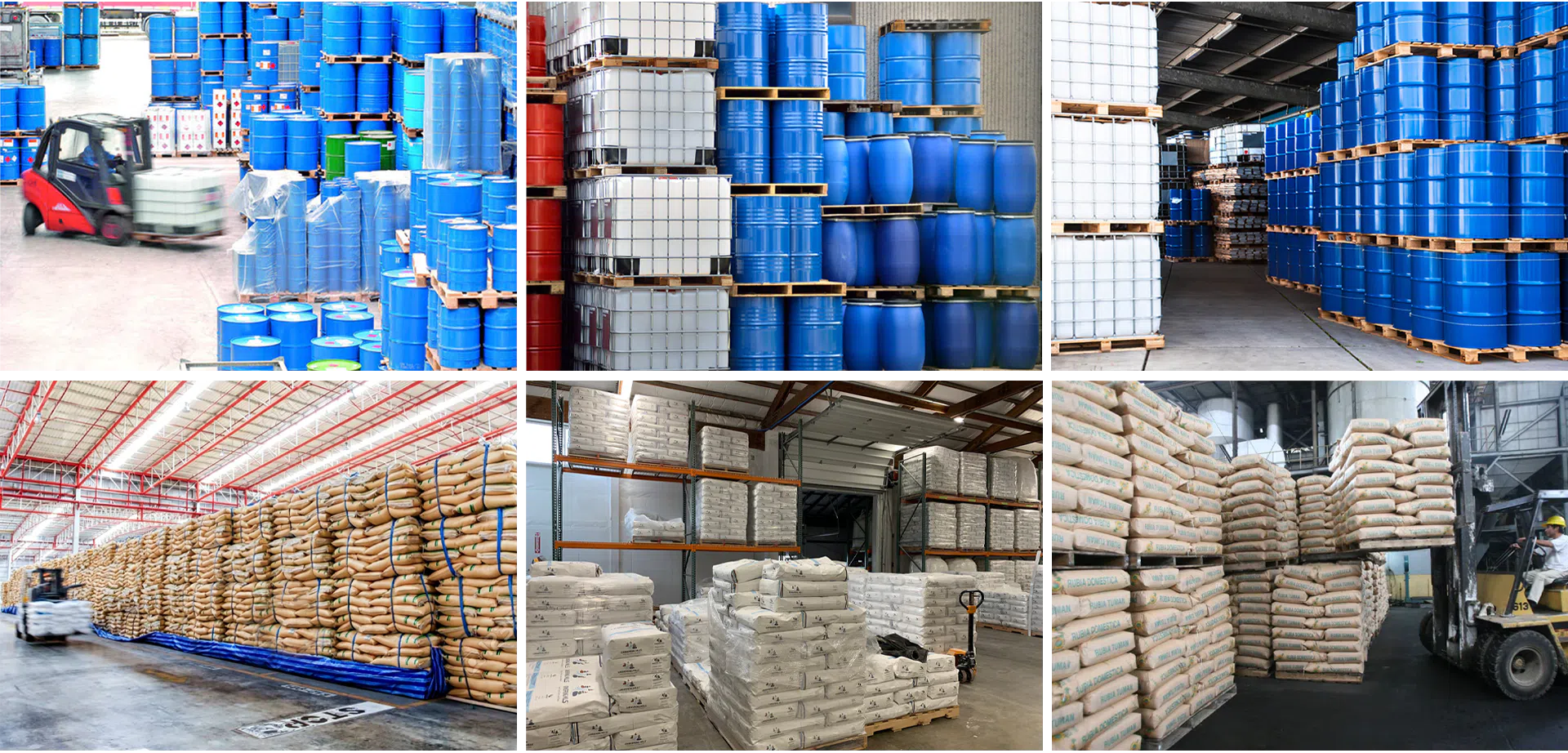
Product Application of Levulinic Acid CAS#123-76-2
Featuring both carboxyl and ketone functional groups, levulinic acid possesses versatile reactivity that underpins its extensive application prospects. It is capable of participating in esterification, halogenation, hydrogenation, oxidative dehydrogenation, condensation and other chemical transformations to synthesize numerous derivative compounds. Such derivatives serve as vital raw materials for producing resins, medicines, perfumes, solvents, coatings, printing inks, rubber and plastic modifiers, lubricant additives as well as surfactants.
Within the pharmaceutical sector, its calcium salt is formulated into intravenous injections. Functioning as a nutritional supplement, this compound facilitates bone mineralization and preserves regular neural and muscular performance. Moreover, levulinic acid acts as a key raw material for manufacturing indomethacin and plant growth regulators.
Furthermore, levulinic acid-based bisphenolic acid can be processed into water-soluble resins applied in papermaking, with filter paper production as a major utilization scenario. Beyond that, levulinic acid acts as a synthetic intermediate for pesticides and dyestuffs.
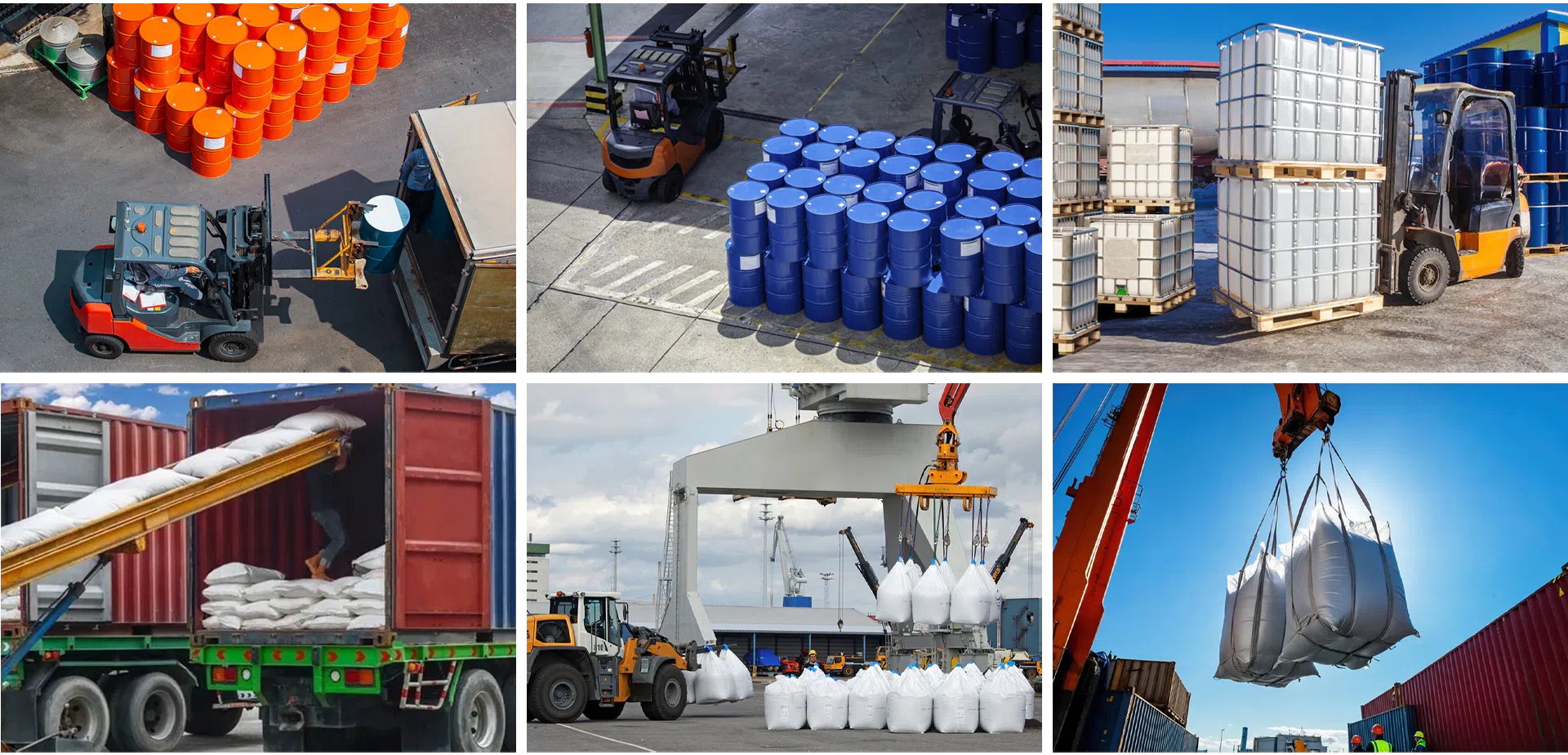
Transportation and Delivery