
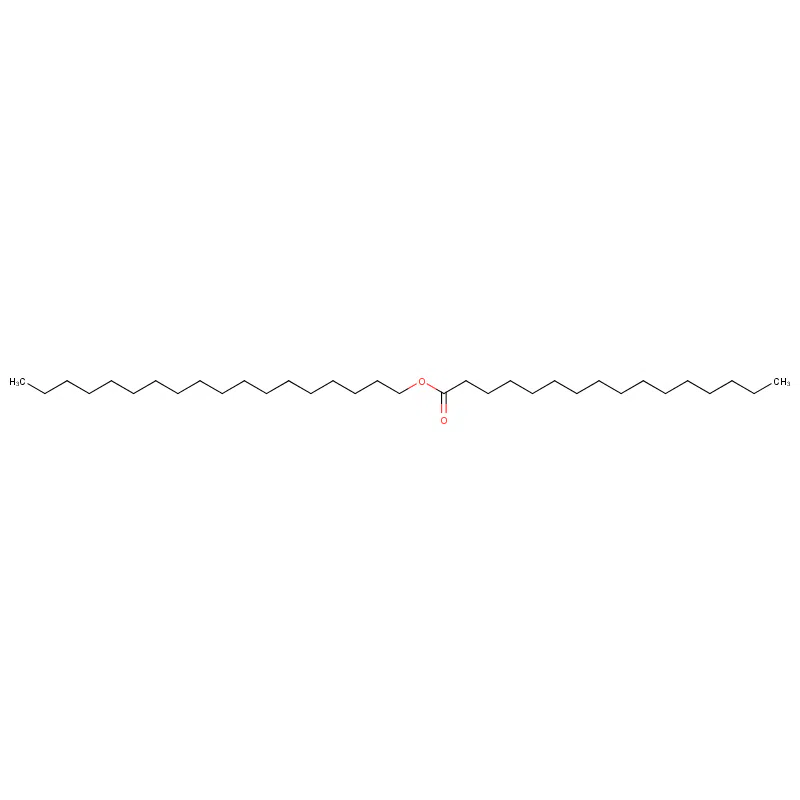
Product Description of Lanolin CAS#8006-54-0
Lanolin oil is a naturally occurring substance secreted by the sebaceous glands of sheep, and its composition bears a striking resemblance to human sebum — the oily substance produced by our own skin's sebaceous glands, most visibly on the nose. However, unlike human sebum, lanolin is entirely free of triglycerides, which is why referring to it as "wool fat" can be somewhat misleading. In nature, its primary role is to condition, waterproof, and protect sheep's wool from environmental damage. It is precisely these outstanding conditioning and protective qualities that have made lanolin a highly sought-after ingredient across the cosmetics, skincare, and hair care industries. The oil is extracted through a centrifugation process applied to freshly shorn sheep's wool, effectively separating the pure lanolin from dirt and other impurities — all without causing any harm or discomfort to the animals.
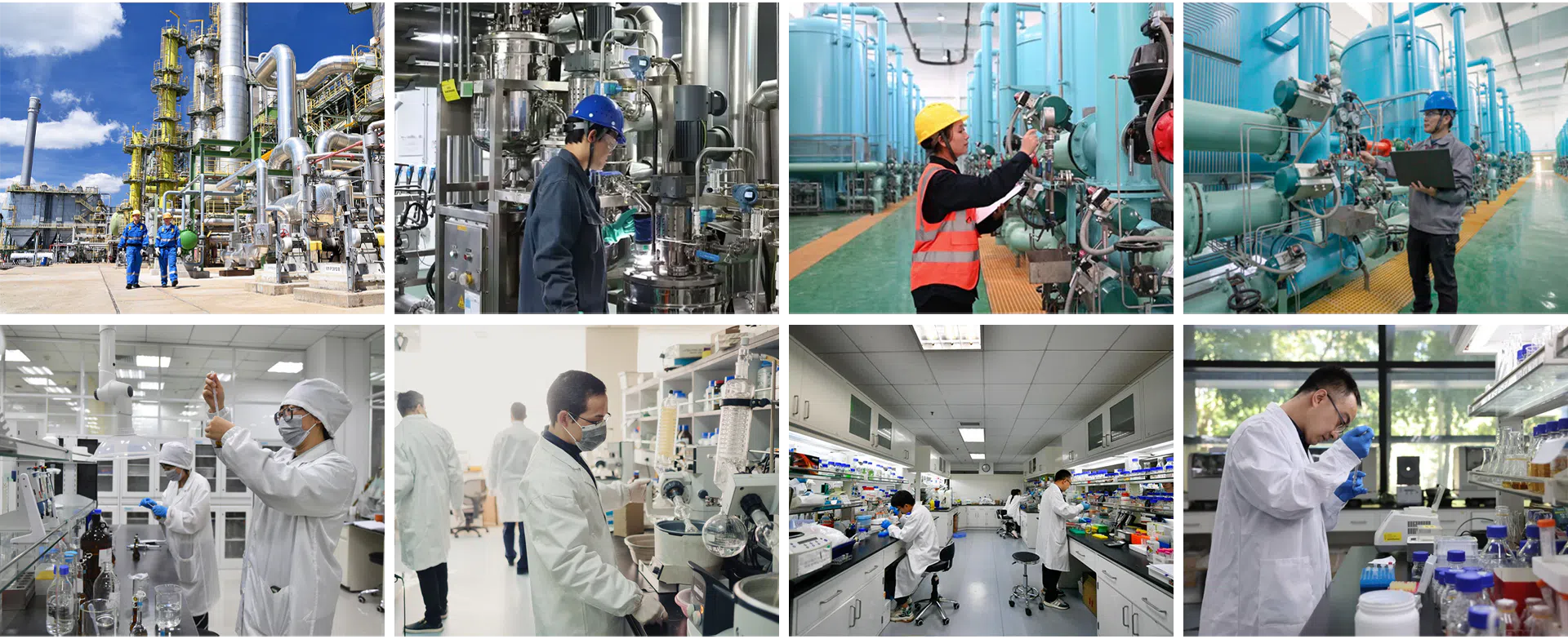
Factory Showcase
Chemical Properties of Lanolin CAS#8006-54-0
| Product Name | Lanolin |
| Synonyms | WOOL FAT;ADEPS LANAE;BASE, LANOLIN OINTMENT, HYDRATED, HYDROPHILIC;BASE, LANOLIN OIL AND CARBAMIDE OINTMENT, HYDRATED, HYDROPHILIC;HYPOALLERGENIC LANOLIN;LANOLIN DEHYDRATE;LANOLIN OIL;LANOLIN HYDROUS |
| CAS | 8006-54-0 |
| MF | N/A |
| MW | 0 |
| EINECS | 232-348-6 |
| Product Categories | Steroids;Cosmetics;8006-54-0 |
| Mol File | Mol File |
| Melting point | 38-40 °C |
| Density | 0.932-0.945 g/cm3(Temp: 15 °C) |
| Fp | 209 °C |
| Storage temp. | Sealed in dry,Room Temperature |
| Solubility | chloroform: 0.1 g/mL, clear to faintly turbid (<29 NTU), strongly yellow-green |
| Form | Adhering Crystals or Powder |
| Color | White to yellow |
| Odor | Characteristic |
| Water Solubility | Soluble in ether, petroleum ether, chloroform and petroleum benzene. Sparingly soluble in ethanol. Insoluble in water. |
| Merck | 145,358 |
| Dielectric constant | 4.2(Ambient) |
| EPA Substance Registry System | Lanolin (8006-54-0) |
Safety Information
| Safety Statements | 24/25 |
| WGK Germany | 1 |
| RTECS | OE3201000 |
| Autoignition Temperature | 833 °F |
| TSCA | TSCA listed |
| HS Code | 15050000 |
| Storage Class | 11 - Combustible Solids |
| Hazardous Substances Data | 8006-54-0(Hazardous Substances Data) |
Inventory Display
Product Application of Lanolin CAS#8006-54-0
Lanolin is a wax-like, viscous substance naturally secreted by the sebaceous glands of sheep and obtained from their wool, often classified as a natural wax. As a skincare ingredient, it serves a dual role — functioning as a highly effective emollient that delivers deep moisturization, while also acting as an emulsifier with a remarkable ability to absorb and retain water. Unlike petrolatum (Vaseline), which creates a fully occlusive barrier on the skin, lanolin forms a breathable, semi-permeable network that allows the skin to maintain natural respiration while still being protected and nourished.
Regarding safety, long-term clinical studies have shown that allergic reactions to lanolin occur at a relatively low incidence rate. That said, it remains a somewhat controversial ingredient in the industry, primarily due to two concerns: the potential presence of pesticide residues and its perceived comedogenic properties. In response to these concerns, leading lanolin producers have been investing in advanced purification technologies to manufacture pharmaceutical-grade, low-pesticide lanolin, and premium cosmetic brands are increasingly specifying the purest available grades in their formulations. As for the comedogenicity debate, a growing body of research suggests that these concerns may have been overstated — particularly when lanolin is properly formulated within emulsion systems, where its behavior differs significantly from its neat (undiluted) state.
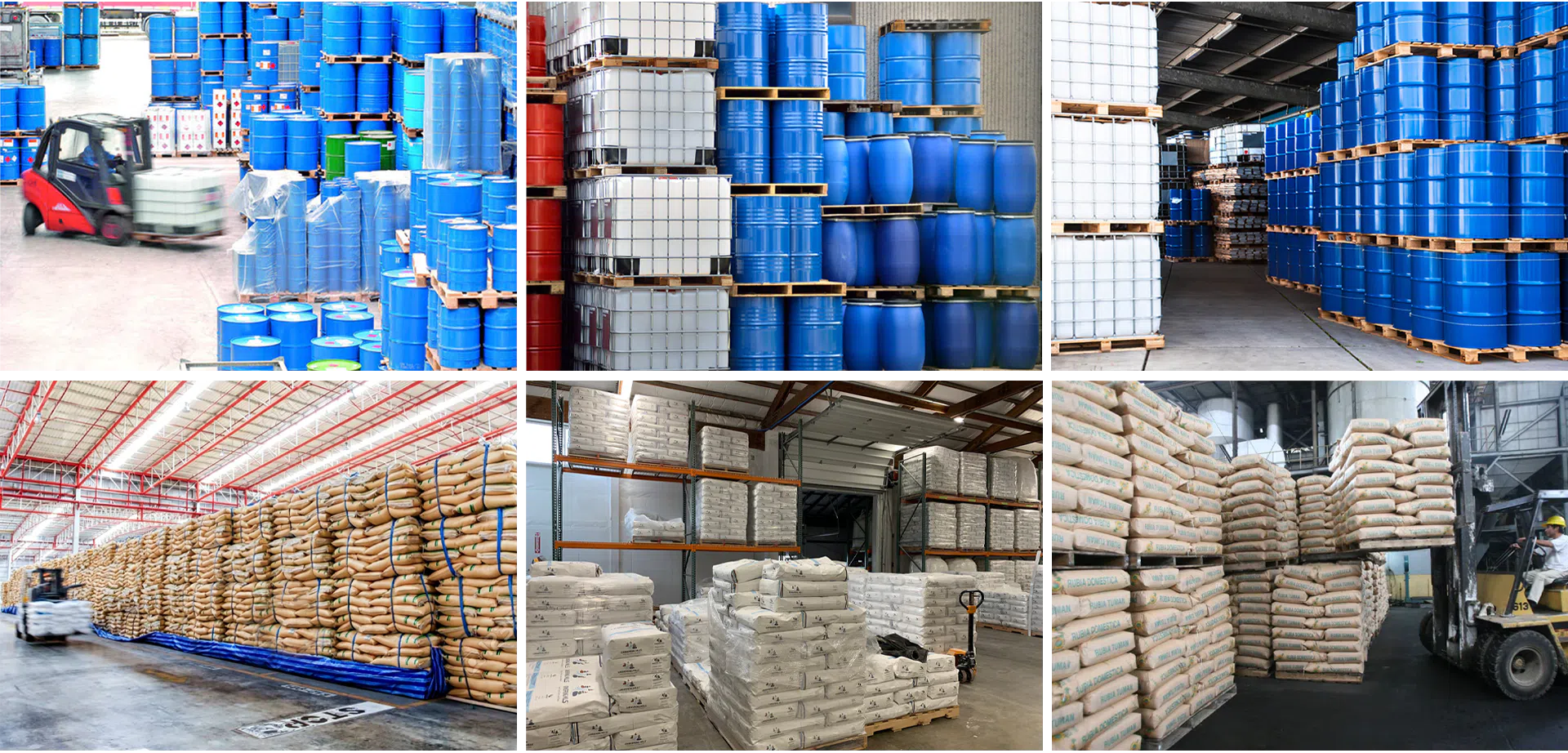
Transportation and Delivery