Product Description of Propylene Oxide CAS#75-56-9
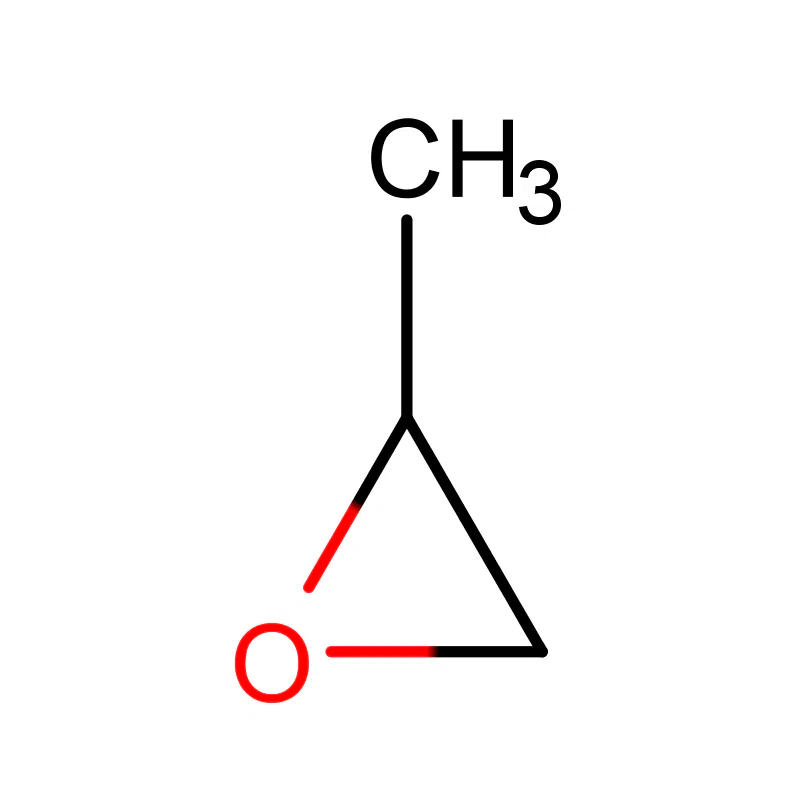
Propylene oxide (C₃H₆O) is a colorless, highly volatile, and flammable liquid with an ether-like odor. It is an important epoxide compound and chemical intermediate with high reactivity. Propylene oxide is primarily used as a raw material in the manufacture of polyether polyols and other downstream chemicals, making it an important component of the polyurethane and chemical industries.
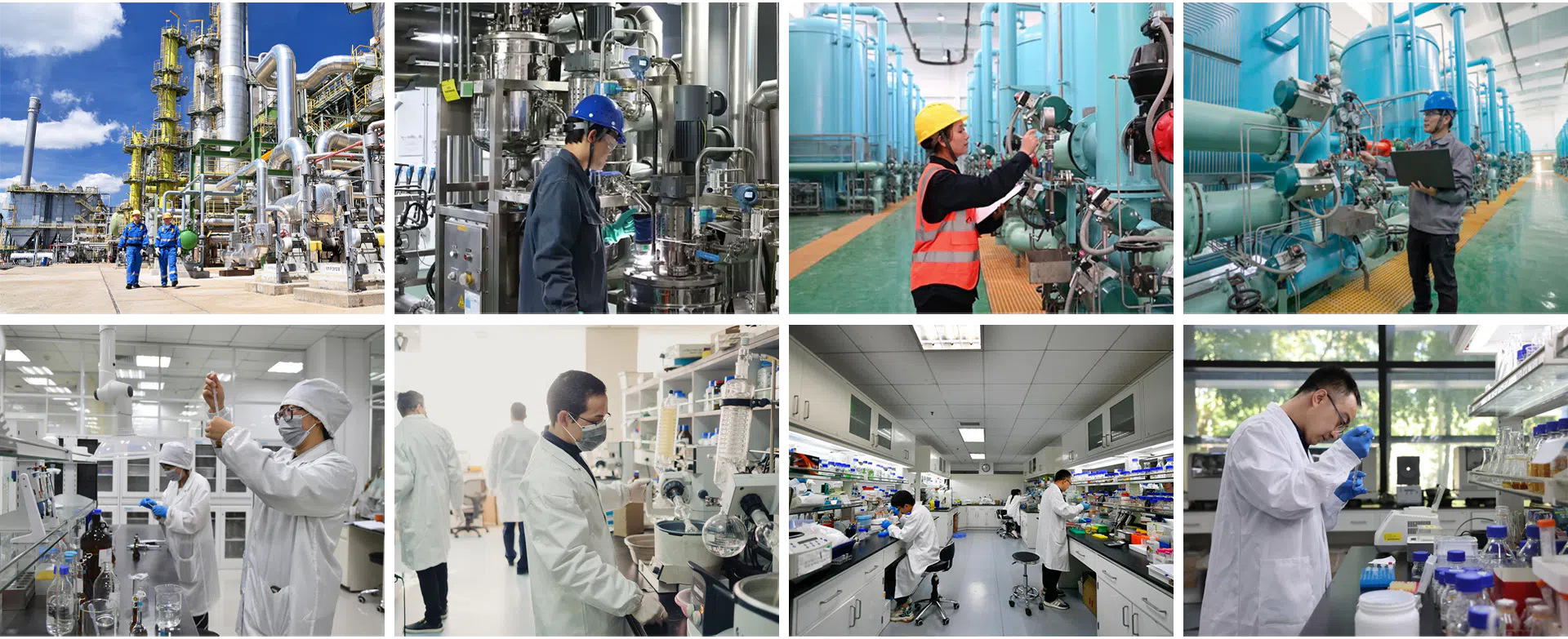
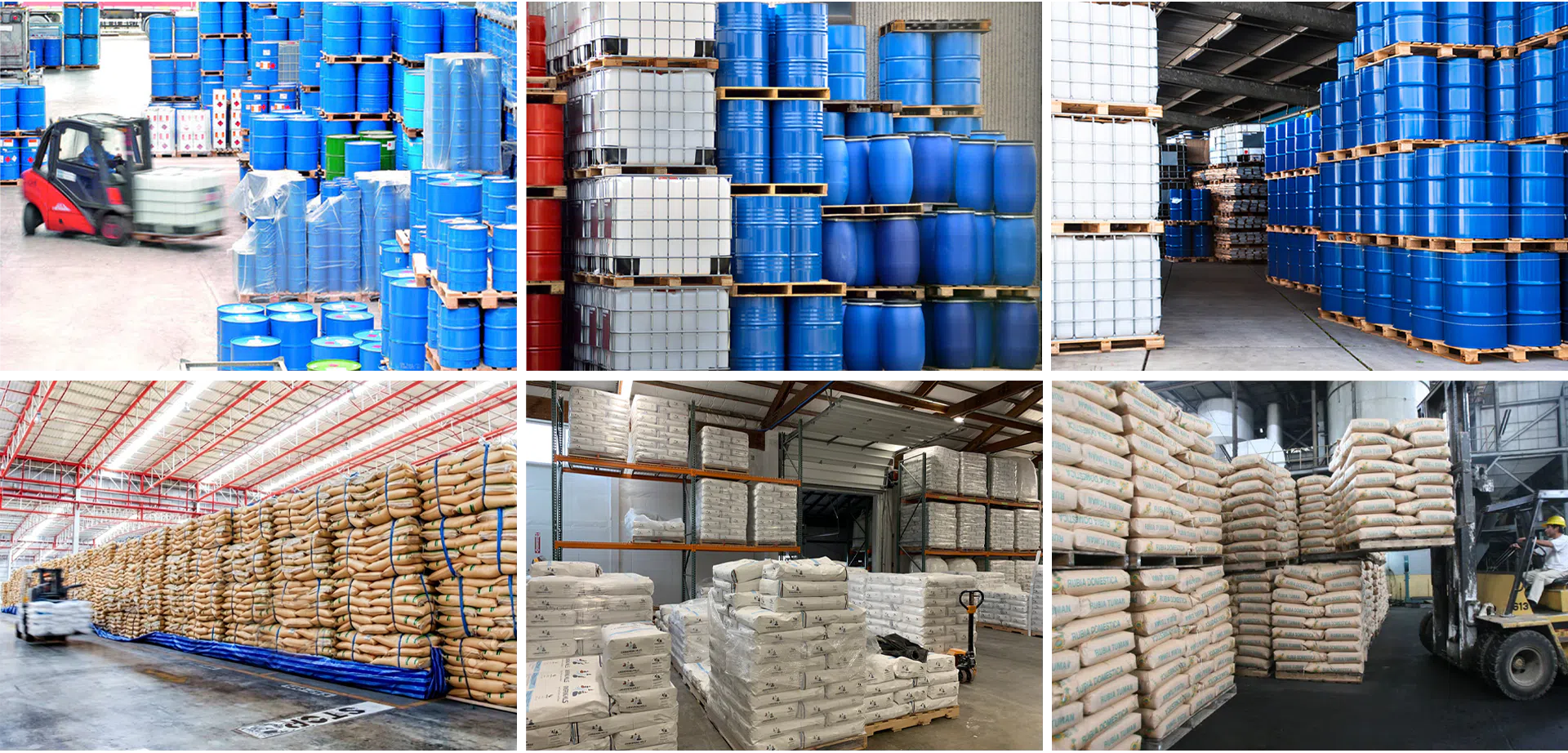
Factory Showcase
Chemical Properties of Propylene Oxide CAS#75-56-9
| Melting point | -112 °C |
| Boiling point | 34 °C(lit.) |
| density | 0.83 g/mL at 25 °C(lit.) |
| vapor density | 2 (vs air) |
| vapor pressure | 29.43 psi ( 55 °C) |
| refractive index | n |
| Fp | −35 °F |
| storage temp. | 2-8°C |
| solubility | 425-450g/l |
| form | Liquid |
| color | Clear |
| Odor | Ethereal; characteristic; sweet, alcoholyc; like natural gas. |
| explosive limit | 1.9-36%(V) |
| Water Solubility | 40 g/100 mL (20 ºC) |
| FreezingPoint | -112.13℃ |
| Thermal Conductivity | 0.171 W/(m·K) at 25 ℃ |
| Specific Heat Capacity | Cp(liquid): 2.07 J/(g·K); Cp(gas): 1.25 J/(g·K), at 25℃ |
| Merck | 14,7856 |
| BRN | 79763 |
| Henry's Law Constant | Not an environmentally important parameter because propylene oxide reacts rapidly with water |
| Exposure limits | ACGIH TLV-TWA:2 ppm (4.8 mg/m3) OSHA PEL-TWA:100 ppm (240 mg/m³) |
| Stability: | Stable. Incompatible with acids, bases, oxidizing agents, copper, copper alloys, brass, bronze, iron, metal chlorides, peroxides and a wide variety of other materials. Reacts with compounds containing labile hydrogen. Extremely flammable - note low boiling point, low flash point and very wide explosion limits. Moisture sensitive. |
| InChI | 1S/C3H6O/c1-3-2-4-3/h3H,2H2,1H3 |
| InChIKey | GOOHAUXETOMSMM-UHFFFAOYSA-N |
| SMILES | CC1CO1 |
| LogP | 0.030 |
| CAS DataBase Reference | 75-56-9(CAS DataBase Reference) |
| IARC | 2B (Vol. Sup 7, 60) 1994 |
| NIST Chemistry Reference | Propylene oxide(75-56-9) |
| EPA Substance Registry System | Propylene oxide (75-56-9) |
Safety Information
| Hazard Codes | F+,T |
| Risk Statements | 45-46-12-20/21/22-36/37/38 |
| Safety Statements | 53-45 |
| RIDADR | UN 1280 |
| WGK Germany | 3 |
| RTECS | TZ2975000 |
| Autoignition Temperature | 430 °C |
| TSCA | TSCA listed |
| HS Code | 2910 20 00 |
| HazardClass | 3 |
| PackingGroup | I |
| Storage Class | 3 - Flammable liquids |
| Hazard Classifications | Acute Tox. 3 Dermal Acute Tox. 3 Inhalation Acute Tox. 4 Oral Carc. 1B Eye Irrit. 2 Flam. Liq. 1 Muta. 1B STOT SE 3 |
| Hazardous Substances Data | 75-56-9(Hazardous Substances Data) |
| Toxicity | LD50 orally in rats: 1.14 g/kg (Smyth) |
| IDLH | 400 ppm |
Inventory Display
Product Application of Propylene Oxide CAS#75-56-9
Propylene oxide is primarily used in the production of polyether polyols, which are important raw materials for polyurethane foams, elastomers, coatings, adhesives, and sealants. It is also used in the manufacture of propylene glycol, glycol ethers, surfactants, and other specialty chemicals.
In addition, propylene oxide serves as an important intermediate in various chemical synthesis and industrial processes. Its high reactivity allows it to participate in a wide range of addition and polymerization reactions, supporting applications across the polyurethane, coatings, automotive, construction, and chemical industries.
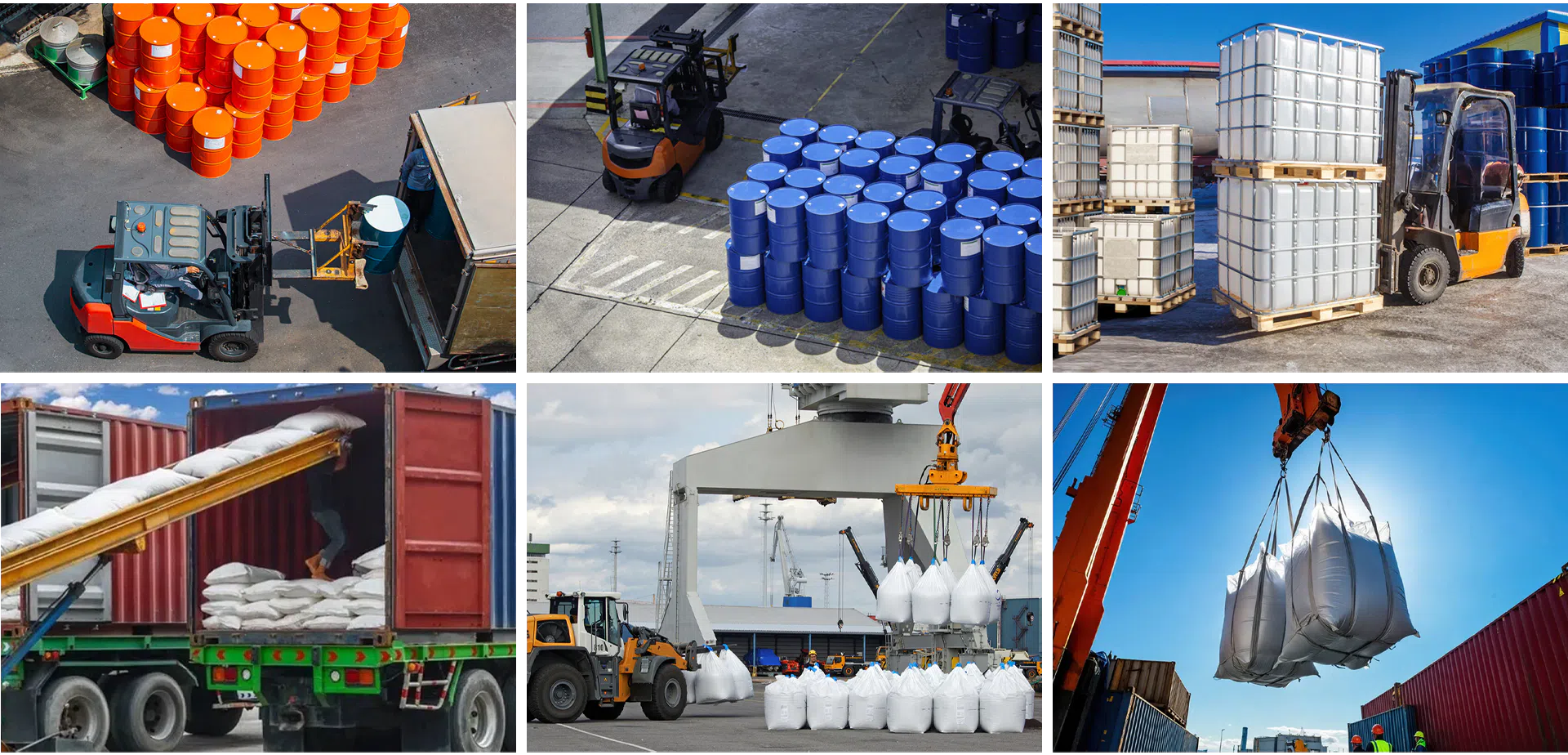
Transportation and Delivery