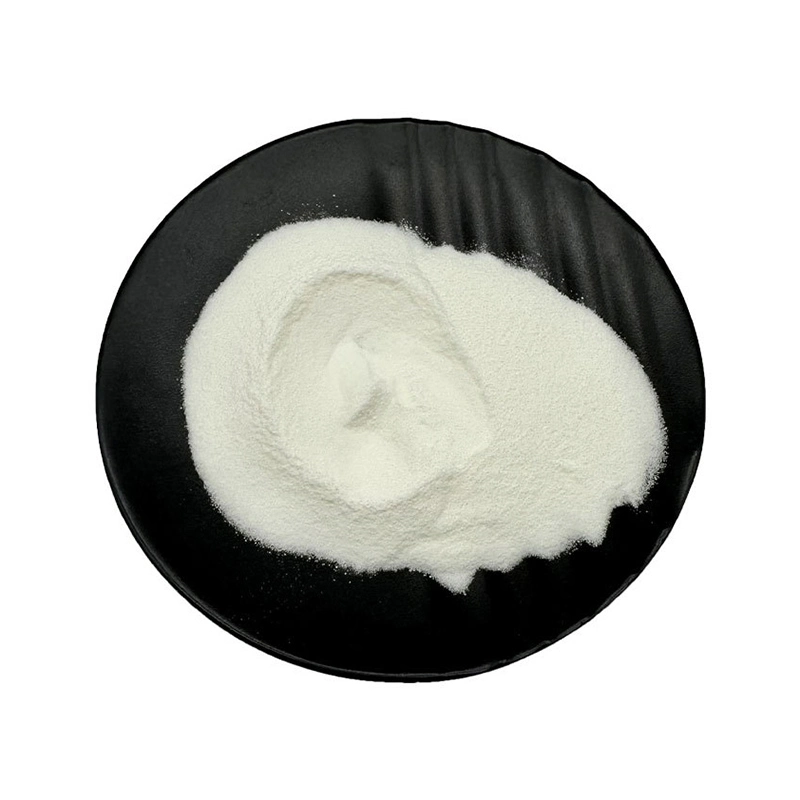
Products Description of POLYURETHANE CAS#9009-54-5
Polyurethane materials are widely applied in waterborne, solvent-borne and hot-melt adhesive systems. In addition, polyurethanes fall into thermoplastic and reactive categories, and are available in both one-part and two-part formulations. The chemical characteristics of urethane linkages account for the diverse and tunable performance of polyurethane products.
Polyurethanes are predominantly synthesized via condensation reactions between isocyanates and alcohols. They can also be produced by polymerizing polyisocyanates with hydroxyl-containing substances—typical examples include polyether and polyester polyols.
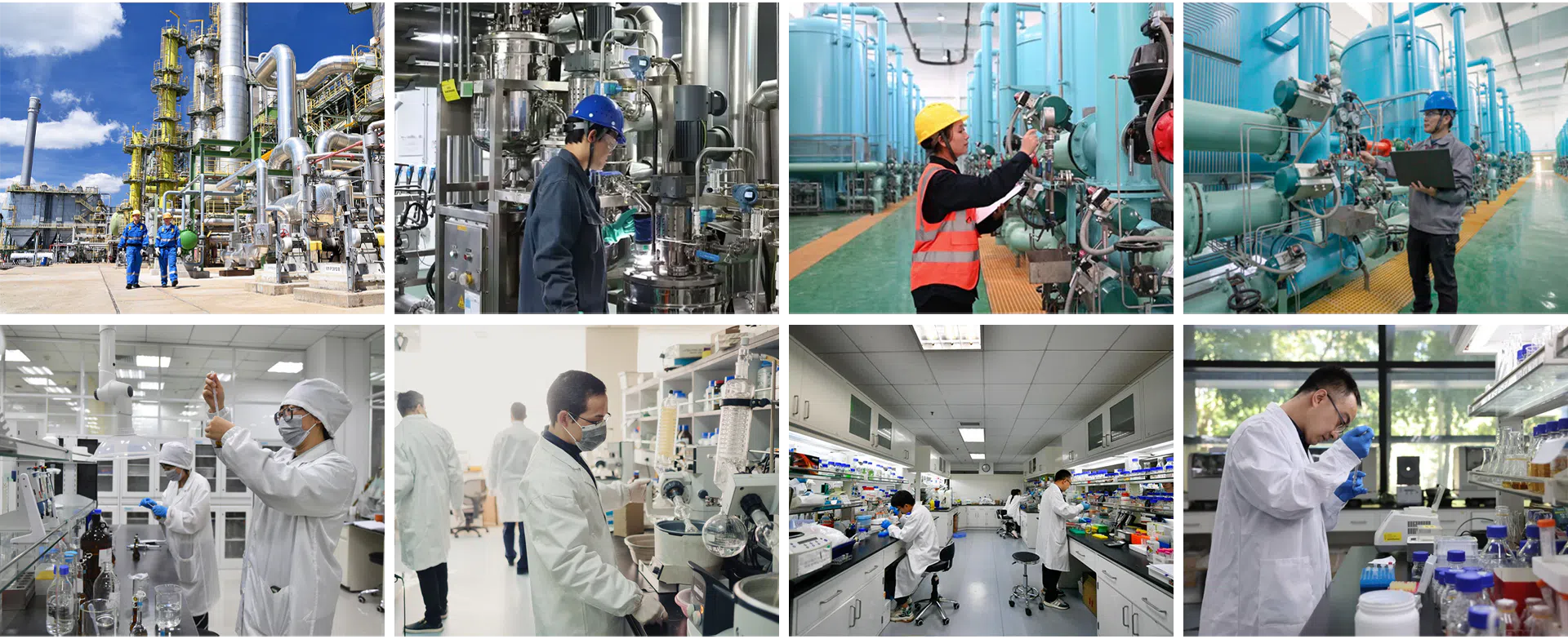
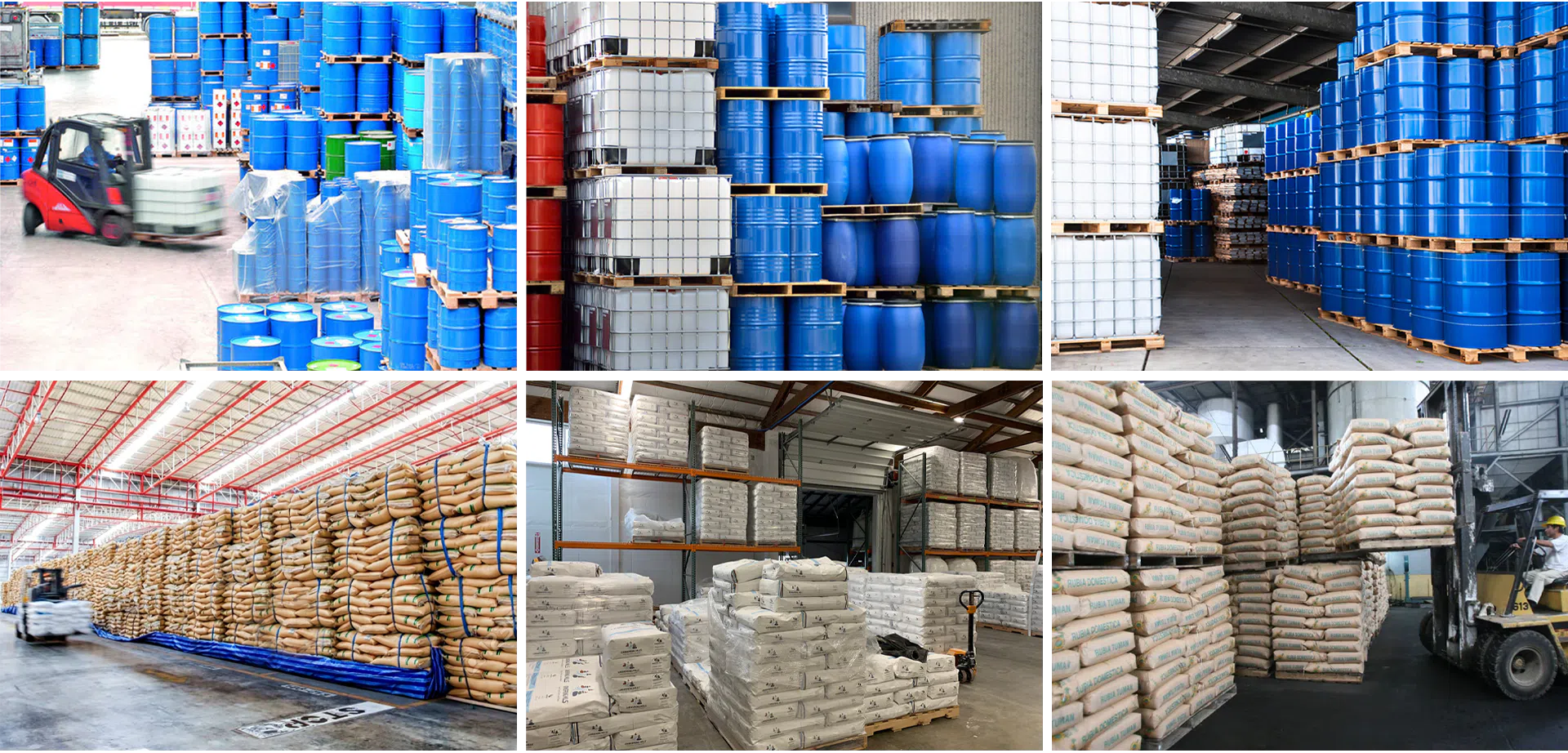
Factory Showcase
Inventory Display
Product Application of POLYURETHANE CAS#9009-54-5
Polyurethane Foams
Flexible and rigid foams are synthesized from diisocyanates, polyether or polyester polyols together with catalysts, foaming agents, foam stabilizers and other additives. Three manufacturing processes are available: prepolymerization, semi-prepolymerization and one-step foaming. Prepolymer and semi-prepolymer processes fit small-batch production, whereas the one-step process is optimized for mass production.
As thermosetting polymers, polyether and polyester PU foams display highly variable properties determined by raw material combinations and formulations. Their prominent oil resistance, cold resistance, thermal insulation and sound absorption qualify them as thermal insulators, electrical insulating materials, sound-proof structural parts, waterproof sealing materials, shock-absorbing packaging, sound-absorbing fillers and dust filtration media.
Polyurethane Adhesives
This class consists of two-part systems containing polyisocyanates and hydroxyl-terminated polyesters, mixed immediately prior to application. They deliver high bonding strength on multiple substrates, and cured adhesives show stable resistance against water, mineral oils and atmospheric exposure. They are utilized for bonding metal, glass, plastic and ceramic components in construction, machinery and aerospace industries.
Polyurethane Coatings
Diversified PU coatings are fabricated via combinations of various isocyanates with polyesters, polyethers and polyols, mainly divided into one-component and two-component systems. Two-component polyether coatings are mixed from polyisocyanates and polyethers during construction; one-component unsaturated polyester coatings cover blocked, oil-modified and moisture-curable varieties. Impregnation, spraying and electrodeposition are common coating technologies.
The coating film exhibits excellent insulation, adhesion, abrasion, oil, water and inorganic acid vapor resistance, widely applied on concrete structures, chemical equipment, aircraft components and furniture.
Polyurethane Elastomers
Polyurethane can be formulated to maintain elasticity within a defined temperature interval, forming PU elastomers. Germany’s Bayer AG first achieved the synthesis of PU elastomers globally, which are grouped into cast, millable and thermoplastic grades.
Possessing both rubber elasticity and plastic processability, they are also called plastic elastomers. Superior wear resistance, oil resistance, low-temperature elasticity and anti-aging performance enable their production into automobile bearings, high-speed textile transmission belts, as well as wires and cables for oilfield and geological exploration.
Transportation and Delivery