

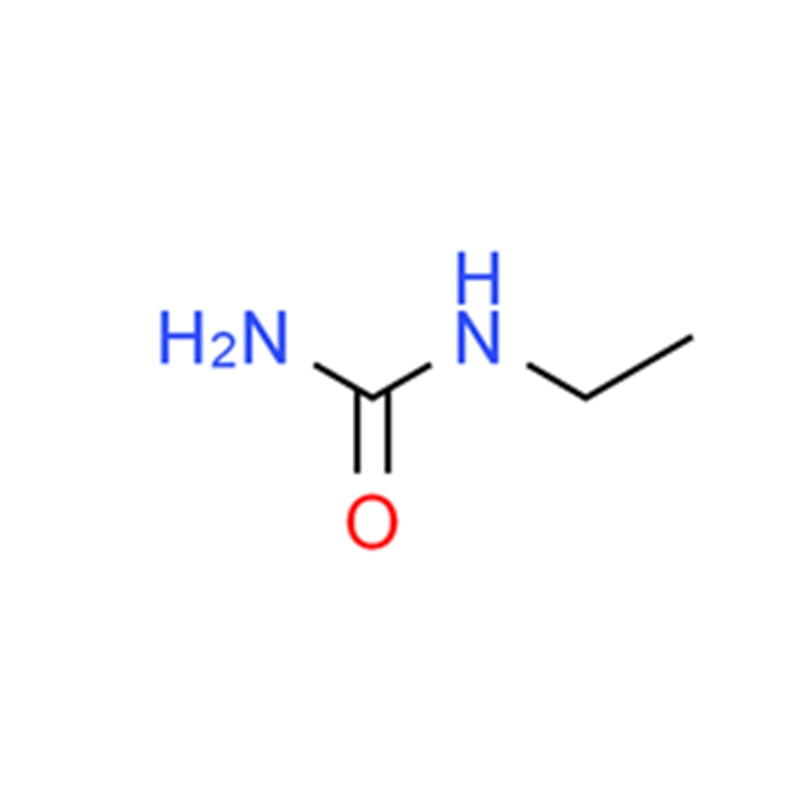
Product Description of Polyurethane CAS#9009-54-5
Polyurethanes are synthesized from a range of isocyanates, such as tolylene diisocyanate (TDI), hexamethylene diisocyanate (HDI), and dicyclohexylmethane diisocyanate (HMDI). The majority of these isocyanates are low-viscosity liquids under ambient conditions, whereas 4,4′-diphenylmethane diisocyanate (MDI) is typically found as a crystalline solid.
Relative to their aliphatic counterparts, aromatic isocyanates display significantly higher reactivity, making them the preferred choice in the manufacture of polyurethane foams, coatings, and elastomers. Furthermore, the presence of aromatic and alicyclic ring structures imparts greater molecular rigidity to the resulting polyurethane, thereby enhancing its overall mechanical strength and performance.
Factory Showcase
Chemical Properties of Polyurethane CAS#9009-54-5
| English Name | Polyurethane |
| English Synonyms | Polyisocyanurate resins;Polyurethanes, cellular;PU foam;The following companies react isocyanates or prep olymers with polyols to produce polyurethane foams. The list is incomplete.;POLYURETHANEOLIGOMERS;P OLYURETHANEVARNISH;POLYURETHANELACQUER;Polyurethane foam: (Urethane polymers) |
| CAS Number | 9009-54-5 |
| Molecular Formula | C3H8N2O |
| Molecular Weight | 0 |
| EINECS Number | 210-898-8 |
| bulk density | 0.08g/cm3 |
| form | foam |
| Stability: | Stable. Combustible. Incompatible with strong oxidizing agents. |
| InChI | InChI=1S/C3H8N2O/c1-2-5-3(4)6/h2H2,1H3,(H3,4,5,6) |
| InChIKey | RYECOJGRJDOGPP-UHFFFAOYSA-N |
| SMILES | N(CC)C(N)=O |
| CAS DataBase Reference | 9009-54-5 |
| IARC | 3 (Vol. 19, Sup 7) 1987 |
Safety Information
| WGK Germany | WGK 3 |
| Storage Class | 11 - Combustible Solids |
Inventory Display
Product Application of Polyurethane CAS#9009-54-5
Polyurethane finds extensive use across a broad spectrum of applications, ranging from medical devices such as internal bone splints to everyday consumer and industrial products.
Polyurethane resins and foams are among the most versatile industrial polymers available. They can be engineered into rigid, semi-rigid, or flexible foam forms, as well as solid resin materials, offering exceptional adaptability for diverse commercial needs. Key application areas include furniture cushioning, mattress and bedding systems, automotive sealing components, adhesives, carpet underlays, protective packaging, surface coatings, and many more.
These polymers are highly regarded for their outstanding resistance to oils, UV light, and solvents, combined with remarkable tensile strength and flexibility. Polyurethanes are synthesized via polyaddition reactions between diisocyanates and polyhydroxyl compounds, commonly referred to as polyols.
Transportation and Delivery