

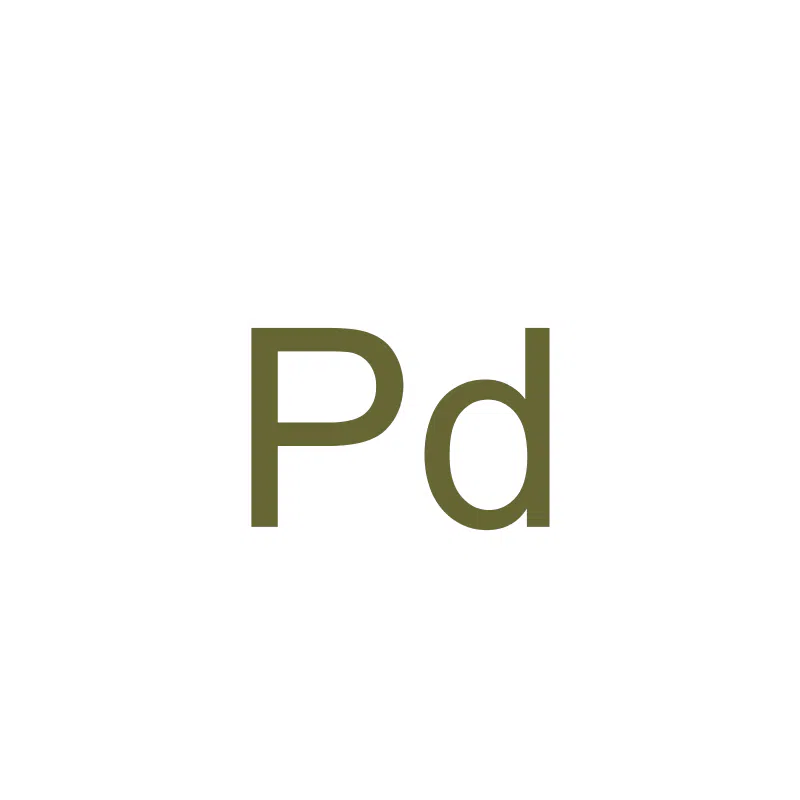
Products Description of Palladium CAS#7440-05-3
Palladium is a transition metal of the nickel subgroup, categorized as a light platinum-group metal on the periodic table. It presents a silvery-white metallic luster with medium hardness, superior malleability and outstanding ductility. Situated in Group 10 of transition metals, this element sits at the midpoint across Periods 4, 5 and 6.
Its physicochemical properties bear striking similarities to nickel (the element directly above it) and platinum (the element below it). Palladium shares nearly identical chemical and physical traits with platinum; it is soft, silvery-white and highly formable, capable of being rolled into ultra-thin foils or extruded into ultrafine filaments.
Chemically, palladium dissolves readily in aqua regia, hot nitric acid and hot sulfuric acid, exhibits mild solubility in hydrochloric acid, and shows no solubility in cold or hot water.
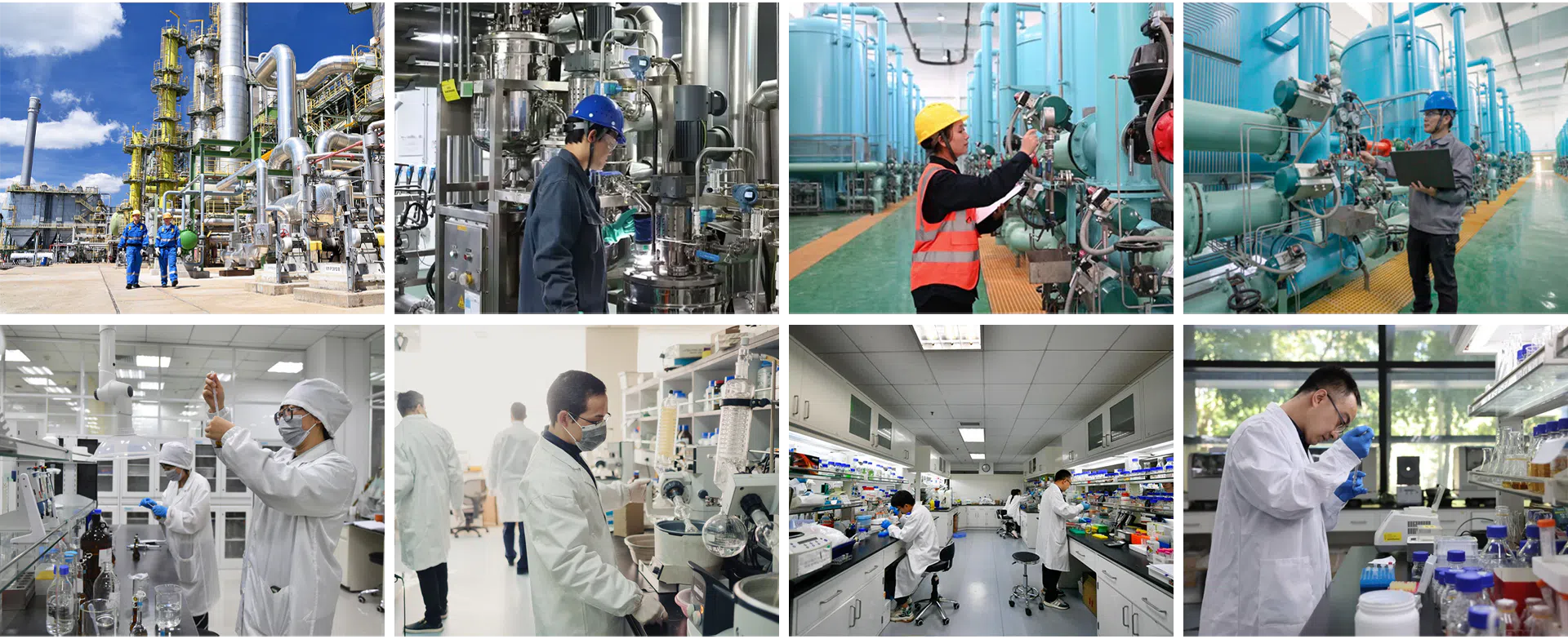
Factory Showcase
Palladium Chemical Properties
| Melting point | 1554 °C(lit.) |
| Boiling point | 2970 °C(lit.) |
| Density | 1.025 g/mL at 25 °C |
| Storage temp. | No restrictions. |
| Solubility | Soluble in aqua regia |
| Form | Wire |
| Color | Silver-gray |
| Specific Gravity | 12.03 |
| Odor | Odorless |
| Resistivity | 9.96 μΩ-cm, 20°C |
| Water Solubility | INSOLUBLE |
| Merck | 146,989 |
| Exposure limits | ACGIH: TWA 1 mg/m3 |
| OSHA: TWA 15 mg/m3; TWA 5 mg/m3 |
| Stability | Stable. Flammable - fine powder may cause fire or explosion in air. Incompatible with ozone, sodium tetrahydroborate, sulphur, arsenic. |
| InChIKey | KDLHZDBZIXYQEI-UHFFFAOYSA-N |
| CAS DataBase Reference | 7440-05-3(CAS DataBase Reference) |
| NIST Chemistry Reference | Palladium(7440-05-3) |
| EPA Substance Registry System | Palladium (7440-05-3) |
Safety Information
| Hazard Codes | T,F,Xi |
| Risk Statements | 61-33-37/38-40-41-36/37/38-11 |
| Safety Statements | 53-26-36/37/39-24/25-36-22 |
| RIDADR | UN 3089 4.1/PG 2 |
| WGK Germany | - |
| RTECS | RT3480500 |
| Autoignition Temperature | >1120 °F |
| TSCA | Yes |
| HazardClass | 4.1 |
| PackingGroup | III |
| HS Code | 28439000 |
| Hazardous Substances Data | 7440-05-3(Hazardous Substances Data) |
| Toxicity | LD50 oral (rat) 200 mg/kg (palladium chloride) |
| LC50 intratracheal (rat) 6 mg/kg (palladium chloride) |
Inventory Display
Product Application of Palladium CAS#7440-05-3
Palladium is soft silvery-white metal naturally associated with copper and nickel ores. Palladium chlorides were utilized for photography and printing in the early 20th century and are still used with platinum for special printing.
As a transition metal, palladium acts as a vital catalyst for hydrogenation (e.g. Lindlar catalyst), petroleum hydrogenation, dehydrogenation and cracking reactions critical to organic synthesis and oil refining.
Mixed with platinum, it is loaded into vehicle catalytic converters to reduce hydrocarbon exhaust. Other applications: surgical instruments, electrical contacts, clock springs, high-performance spark plugs, special wires, and jewelry as white gold.
Palladium-gold alloys are widely used in dentistry and medical implants for bone/joint repair and porcelain bridge frameworks. Palladium alloys replace gold for ornaments, watch cases and brooches. It can absorb massive hydrogen to boost catalytic efficiency and also adsorb carbon, making it suitable for CO monitoring sensors.
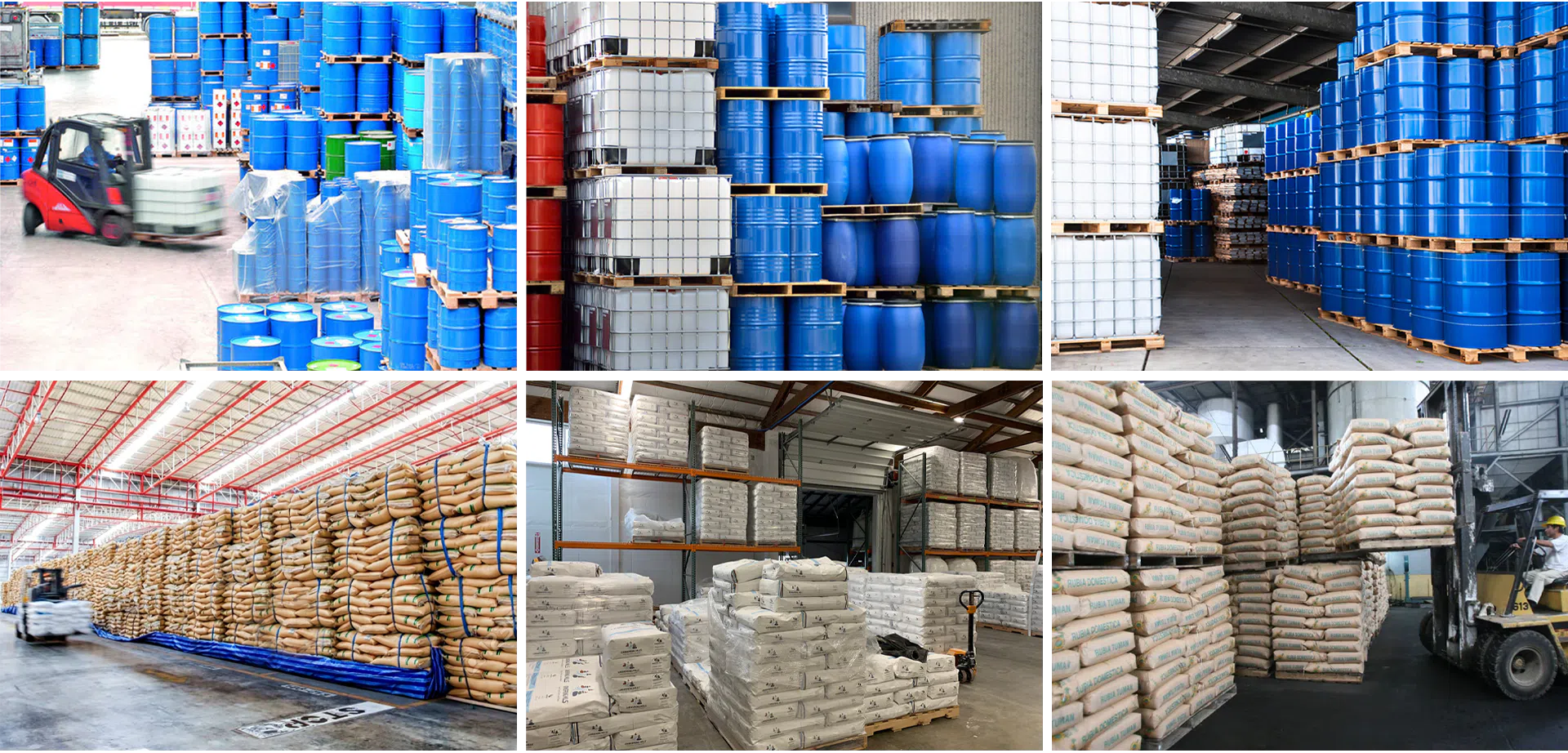
Transportation and Delivery