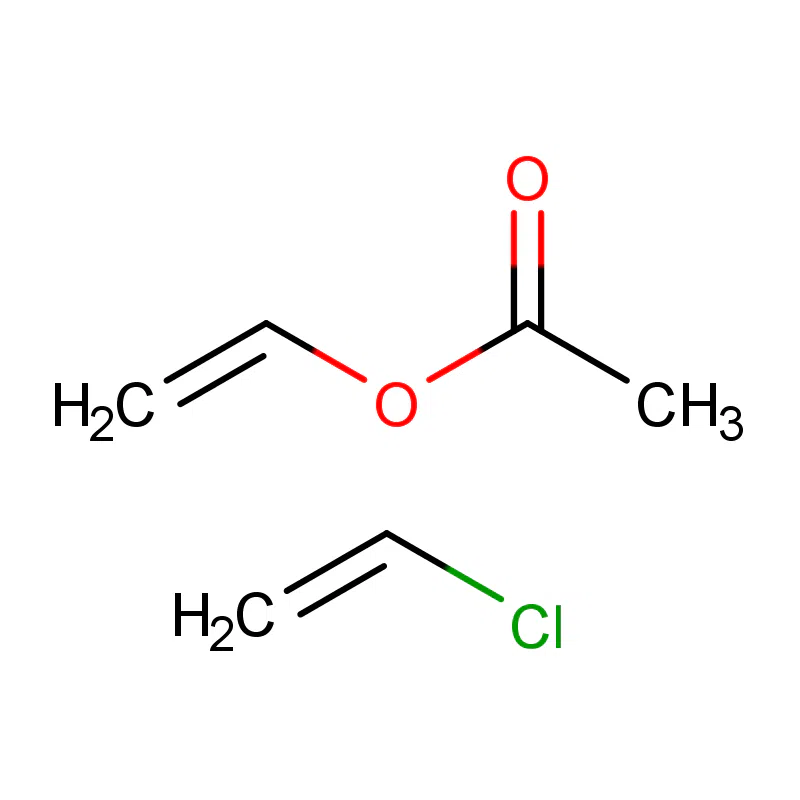
Product Description of Vinyl acetate CAS#108-05-4
Vinyl acetate (C₄H₆O₂), alternatively named vinyl ethanoate, acetic acid vinyl ester or VAc, is an important reactive monomer that undergoes efficient polymerization and copolymerization reactions. Beyond emulsion resin production, it is also extensively applied in adhesives, architectural coatings, textile sizing, paper processing and fine chemical synthesis.
Factory Showcase
Chemical Properties of Vinyl acetate CAS#108-05-4
| Melting point | -93 °C (lit.) |
| Boiling point | 72-73 °C (lit.) |
| density | 0.934 g/mL at 25 °C (lit.) |
| vapor density | 3 (vs air) |
| vapor pressure | 88 mm Hg ( 20 °C) |
| refractive index | n20/D 1.395(lit.) |
| Fp | 20 °F |
| storage temp. | 2-8°C |
| solubility | 20g/l |
| form | Liquid |
| color | Clear colorless to almost colorless |
| PH | 7 (20g/l, H2O, 20℃) |
| Odor | Sweet, pleasant, fruity |
| explosive limit | 2.6-13.4%(V) |
| Water Solubility | 23 g/L (20 ºC) |
| Thermal Conductivity | 0.159 W/(m·K) at 25 ℃ |
| Sensitive | Light Sensitive |
| Merck | 14,9992 |
| BRN | 1209327 |
| Henry's Law Constant | 4.81 (calculated, Howard, 1989) |
| Exposure limits | EU LTEL:5 ppm(17.6 mg/m3); EU STEL:10 ppm(35.2 mg/m3) |
| Dielectric constant | 4.5(23℃) |
| Stability: | Stable. Highly flammable. Incompatible with acids, bases, oxidizing agents, peroxides, chlorosulfonic acid, ethylene imine, hydrochloric acid, oleum, nitric acid, sulfuric acid, 2-aminoethanol, light. Susceptible to polymerization; commercial product may be stabilized by the addition of hydroquinone. |
| Cosmetics Ingredients Functions | CLEANSING |
| InChI | 1S/C4H6O2/c1-3-6-4(2)5/h3H,1H2,2H3 |
| InChIKey | XTXRWKRVRITETP-UHFFFAOYSA-N |
| SMILES | CC(=O)OC=C |
| LogP | 0.73 at 20℃ |
| Surface tension | 22.476mN/m at 298.15K |
| CAS DataBase Reference | 108-05-4(CAS DataBase Reference) |
| IARC | 2B (Vol. Sup 7, 63) 1995 |
| NIST Chemistry Reference | Acetic acid ethenyl ester(108-05-4) |
| EPA Substance Registry System | Vinyl acetate (108-05-4) |
| ECETOC JACC REPORT | Vinyl acetate (108-05-4) |
Safety Information of Vinyl acetate CAS#108-05-4
| Hazard Codes | F,T,Xn |
| Risk Statements | 11-39/23/24/25-23/24/25-36-20/21/22-40-37-20 |
| Safety Statements | 16-23-29-33-45-36/37-7-9 |
| OEL | Ceiling: 4 ppm (15 mg/m3) [15-minute] |
| RIDADR | UN 1301 |
| WGK Germany | 2 |
| RTECS | AK0875000 |
| Autoignition Temperature | 801 °F |
| TSCA | TSCA listed |
| HazardClass | 3 |
| PackingGroup | II |
| HS Code | 29153200 |
| HS Code | 29333999 |
| Storage Class | 3 - Flammable liquids |
| Hazard Classifications | Acute Tox. 4 Inhalation Aquatic Chronic 3 Carc. 2 Flam. Liq. 2 STOT SE 3 |
| Hazardous Substances Data | 108-05-4(Hazardous Substances Data) |
| Toxicity | LD50 orally in rats: 2.92 g/kg (Smyth, Carpenter) |
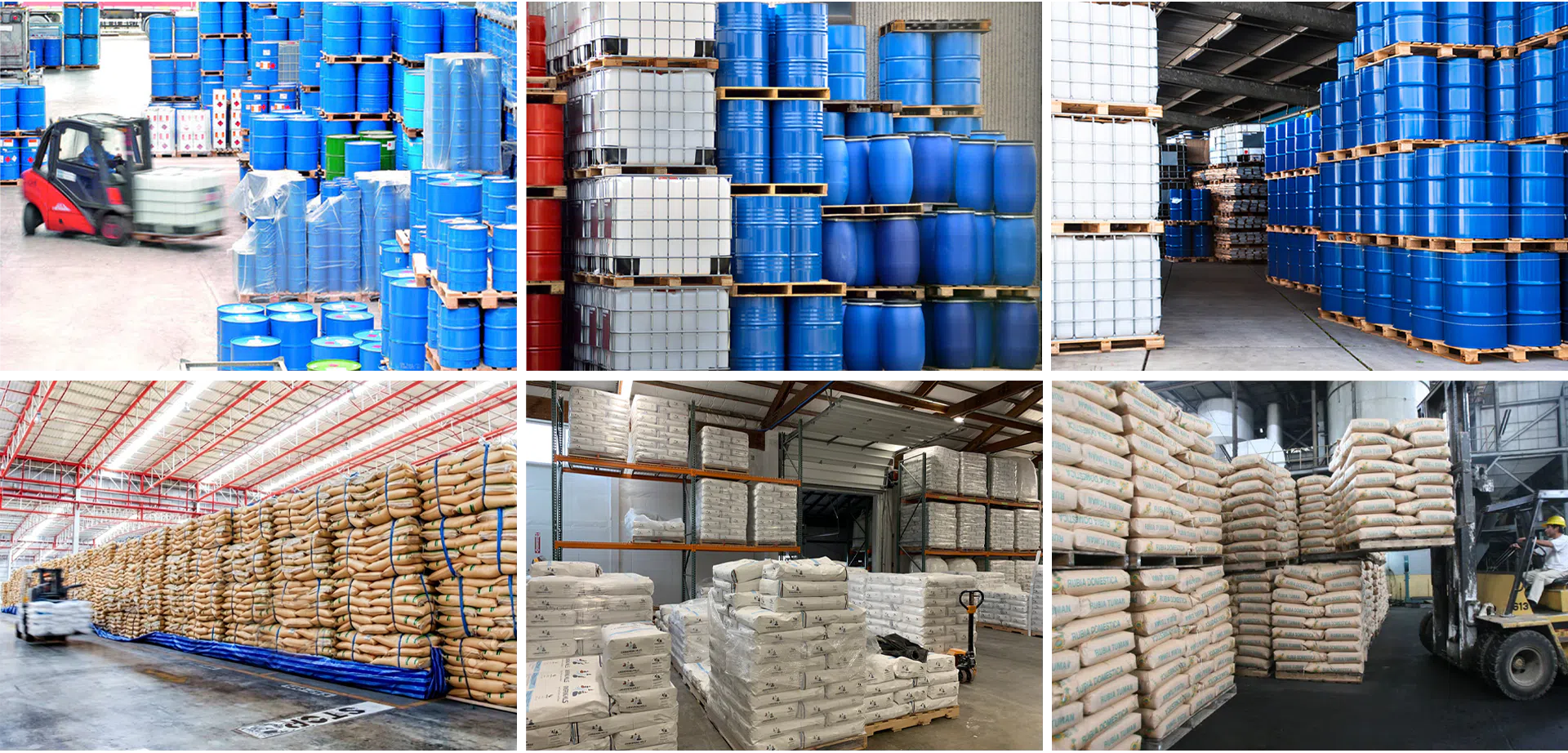
Inventory Display
Product Application of Vinyl acetate CAS#108-05-4
Vinyl acetate is a high-activity polymerization monomer that delivers stable bonding performance and excellent film-forming properties in emulsion systems. It is typically used in formulation polymerization ratios ranging from 10% to 60%, with its polymer stability and adhesive strength depending on polymerization temperature and formula proportion.
In industrial applications, vinyl acetate can be used as a core raw material for manufacturing emulsion adhesives, water-based coatings and polyvinyl alcohol resins. It may be produced through industrial ethylene oxidation and acetic acid addition synthetic processes.
Transportation and Delivery