
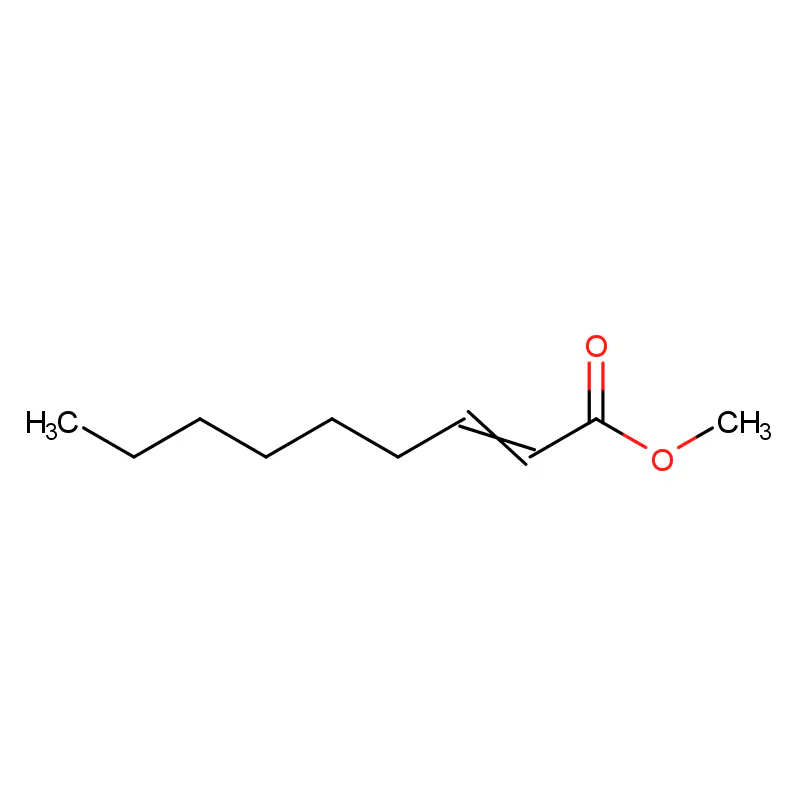
Product Description of Methyl non-2-enoate CAS#111-79-5
Methyl 2-Nonenoate (CAS No. [if applicable]) is a colorless to pale yellow liquid with a distinctive fresh green and violet leaf-like aroma. It is soluble in alcohol and is a flammable organic compound.
Due to its unique fragrance characteristics, Methyl 2-Nonenoate is commonly used in the formulation of daily chemical products, soaps, and food flavoring applications.
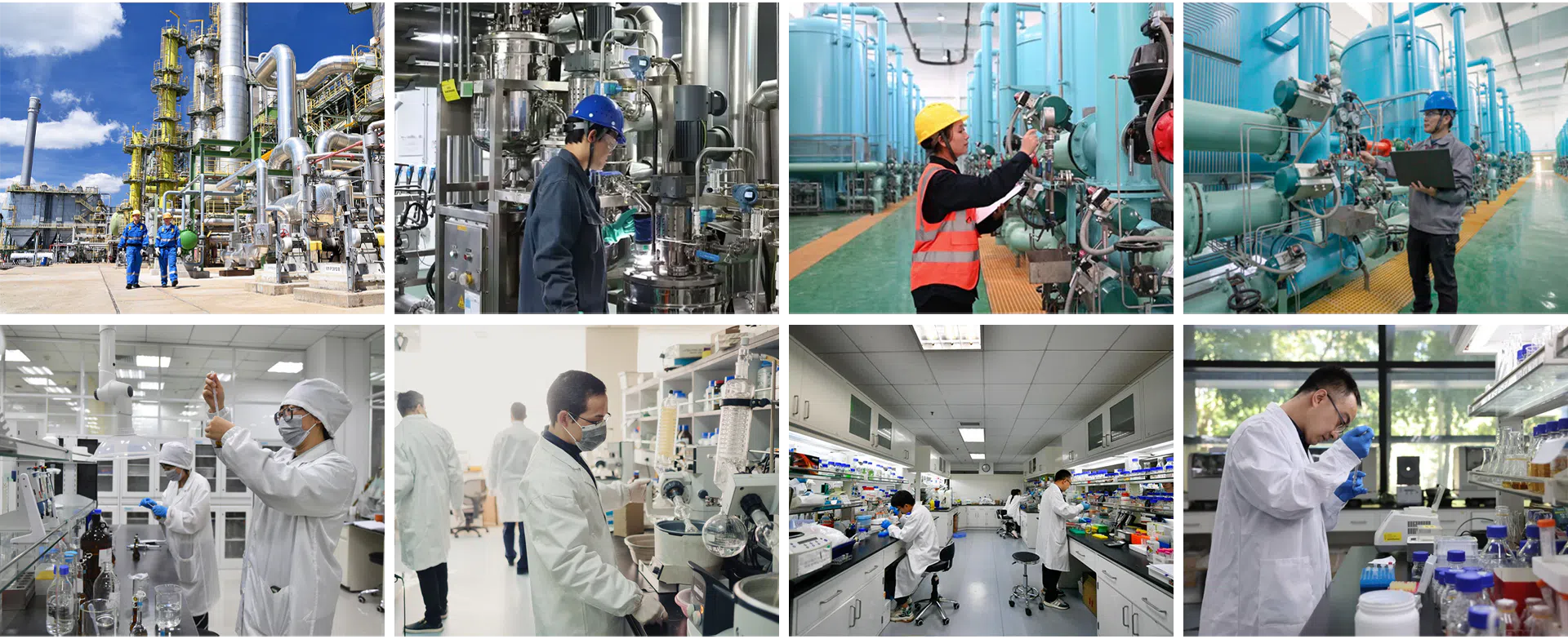
Factory Showcase
Chemical Properties of Methyl non-2-enoate CAS#111-79-5
| Melting point | -89.9°C (estimate) |
| Boiling point | 115 °C21 mm Hg(lit.) |
| density | 0.895 g/mL at 25 °C(lit.) |
| vapor pressure | 13.33hPa at 95.84℃ |
| refractive index | n |
| FEMA | 2725 | METHYL 2-NONENOATE |
| Fp | 196 °F |
| storage temp. | Sealed in dry,Room Temperature |
| Odor | at 100.00 %. sweet green waxy violet pear fruity melon vegetable |
| Appearance | Colorless to light green Liquid |
| Odor Type | green |
| Water Solubility | 52.1mg/L at 25℃ |
| JECFA Number | 1813 |
| Cosmetics Ingredients Functions | PERFUMING |
| LogP | 3.6 at 25℃ |
| CAS DataBase Reference | 111-79-5(CAS DataBase Reference) |
| NIST Chemistry Reference | 2-Nonenoic acid, methyl ester(111-79-5) |
| EPA Substance Registry System | 2-Nonenoic acid, methyl ester (111-79-5) |
Safety Information
| Hazard Codes | Xi,N |
| Risk Statements | 36/38-51/53 |
| Safety Statements | 26-61 |
| RIDADR | UN 3082 9/PG 3 |
| WGK Germany | 2 |
| RTECS | RA9470000 |
| TSCA | TSCA listed |
| HazardClass | 9 |
| toxicity | Both the acute oral LD50 value in rats and the acute dermal LD50 value in rabbits exceeded 5 g/kg (Moreno, 1975) |
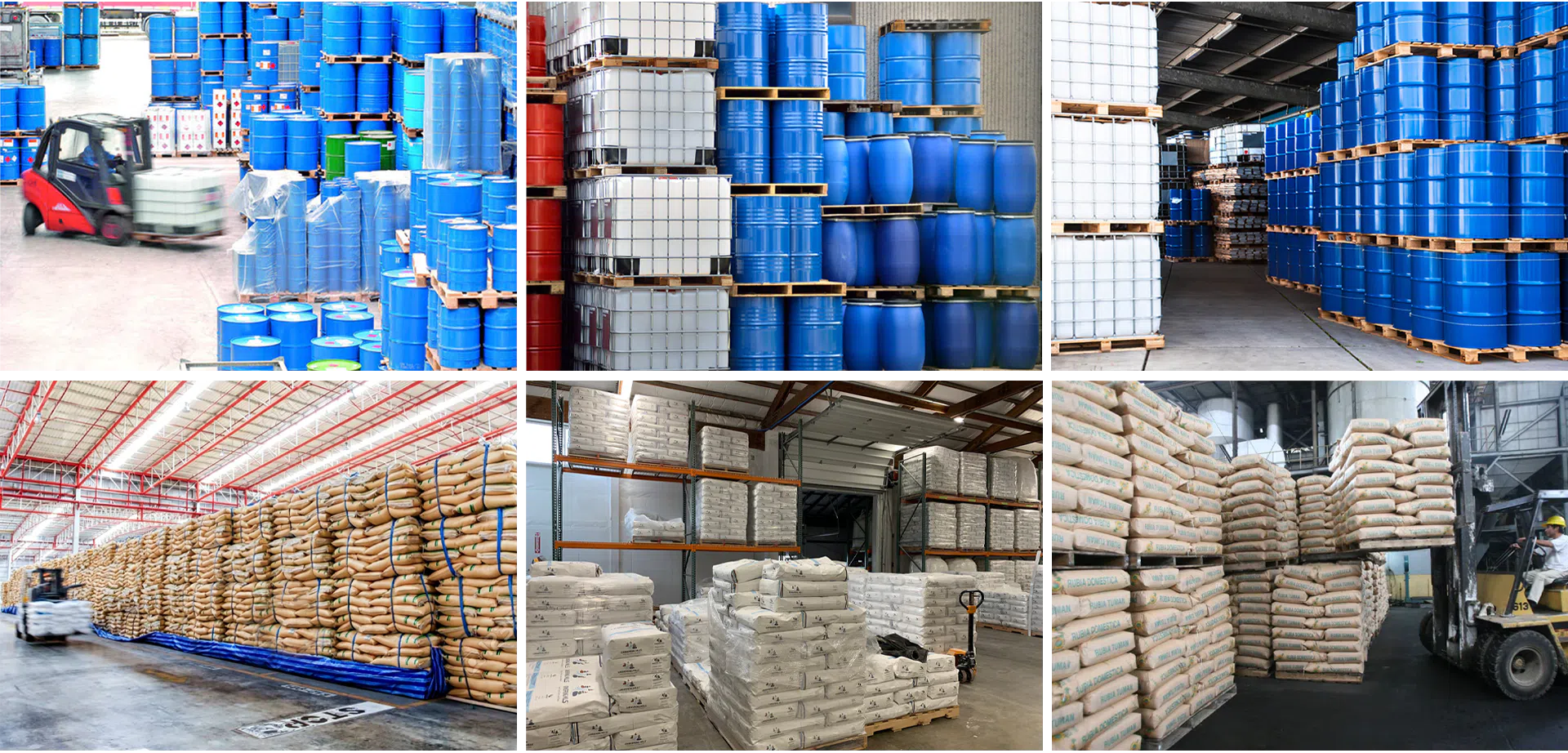
Inventory Display
Product Application of Methyl non-2-enoate CAS#111-79-5
Methyl non‑2‑enoate (CAS#111‑79‑5) is an important synthetic flavour and fragrance intermediate with characteristic fruity‑waxy aroma notes. It is extensively utilised in food flavouring formulations to impart fresh fruity hints for beverage, candy and baked food systems. In the fragrance industry, this ester serves as a key raw material for crafting floral and fruity perfume compounds for cosmetics, soaps and daily‑use personal care products. Besides flavour‑fragrance fields, it works as a chemical intermediate for organic synthesis to produce downstream ester derivatives. It can also be applied in fine chemical research for material modification and reagent preparation.
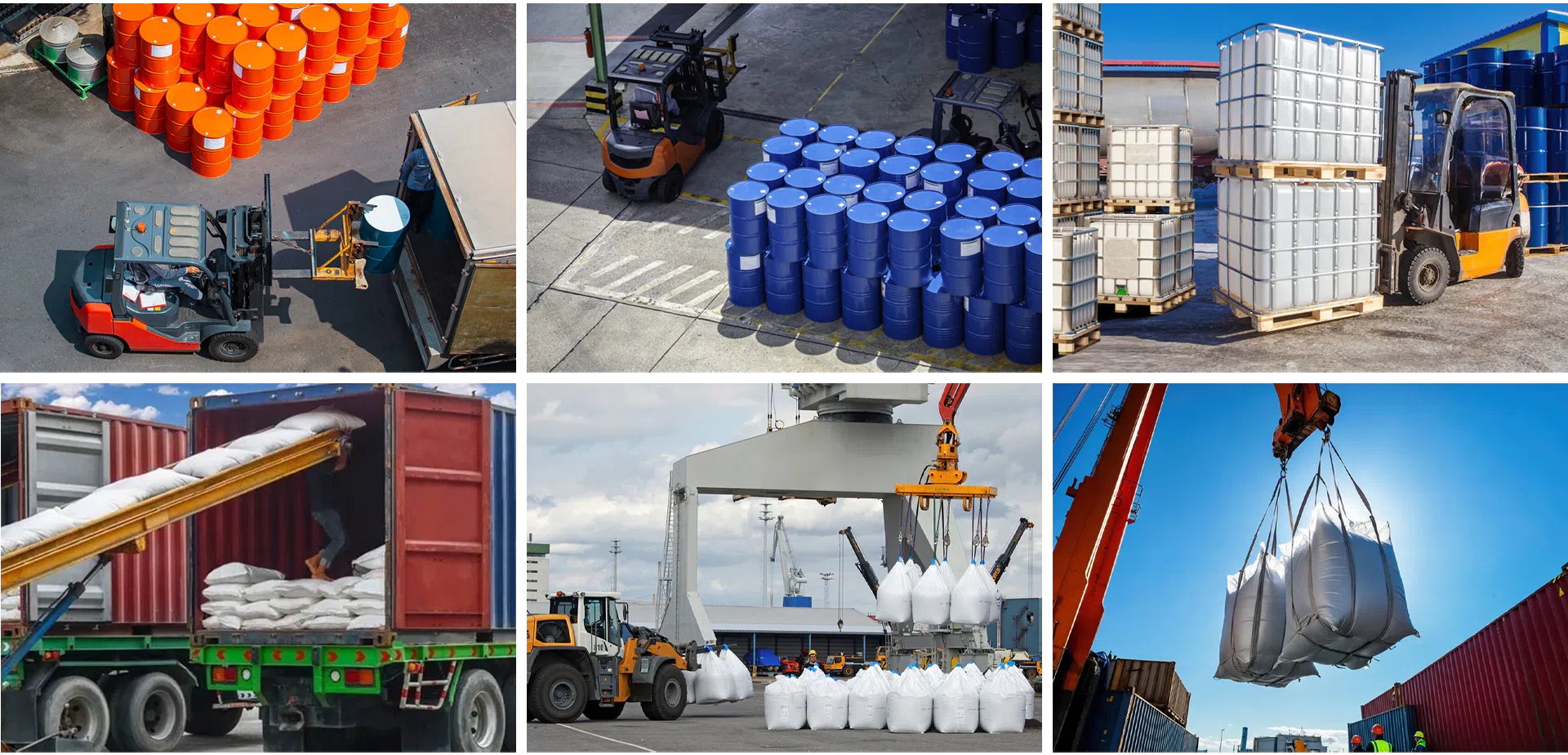
Transportation and Delivery