

Product Description
Paraffin is a petroleum-derived hydrocarbon mixture mainly composed of saturated alkanes with the general formula CnH₂n+₂. It is typically colorless, odorless, and tasteless, and can be classified into liquid paraffin, solid paraffin wax, and microcrystalline wax according to its physical properties.
Paraffin wax is produced from crude oil through refining, dewaxing, and purification processes. It is widely used in candles, matches, coatings, cosmetics, electrical insulation materials, and other industrial applications due to its excellent stability and water resistance.
Factory Showcase

Chemical Properties
| Melting point | 58-62 °C ((ASTM D 87)) |
| Boiling point | 322 °C |
| density | 0.82 g/mL at 20 °C |
| refractive index | n20/D 1.45 |
| storage temp. | Store below +30°C. |
| solubility | Soluble in chloroform, ether, volatile oils, and most warm fixed oils; slightly soluble in ethanol; practically insoluble in acetone, ethanol (95%), and water. Paraffin can be mixed with most waxes if melted and cooled. |
| form | extra-low viscosity |
| color | white |
| Odor | odorless |
| explosive limit | 0.6-6.5%(V) |
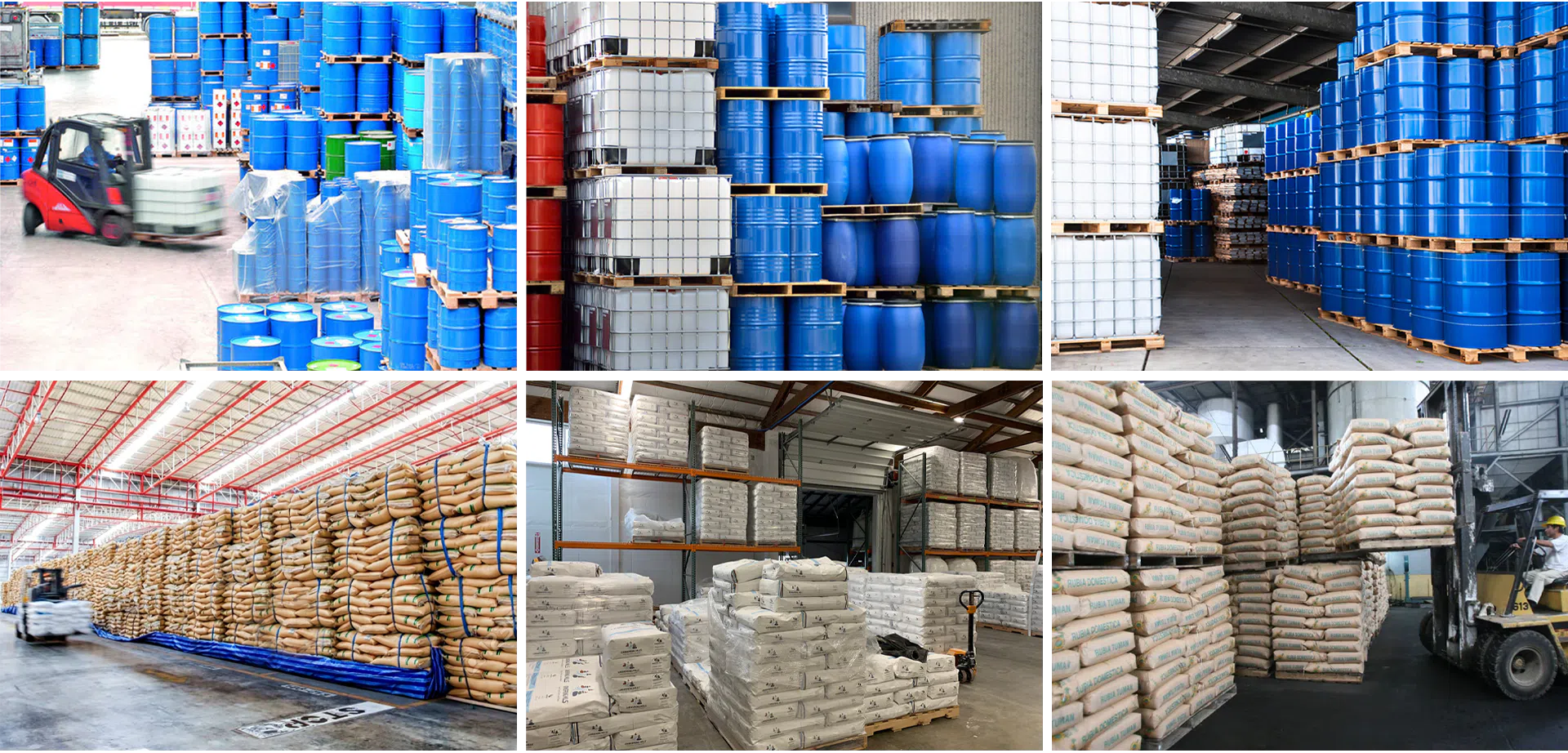
Inventory Display
Product Application
Paraffin offers numerous advantages, including cost-effectiveness, easy availability, colorless and odorless characteristics, excellent physical and chemical stability, and high latent heat of phase change. Due to these outstanding properties, paraffin has been widely applied in various fields, such as pharmaceuticals, packaging, construction, military camouflage, industrial manufacturing, and agriculture. In addition, paraffin has attracted significant research interest as a potential phase change material for thermal energy storage applications.
Transportation and Delivery