
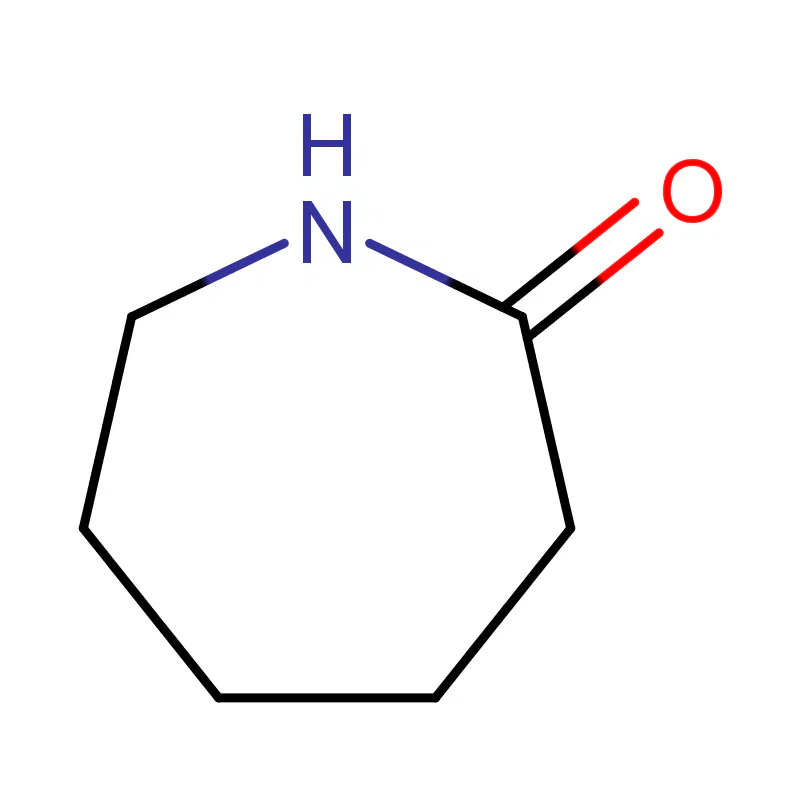
Product Description of Caprolactam CAS#105-60-2
Caprolactam (C₆H₁₁NO), alternatively named ε-caprolactam, hexahydro-2H-azepin-2-one or 2-oxohexamethyleneimine, is an important cyclic amide monomer that promotes ring-opening polymerization to produce polyamide products. Beyond nylon fiber and plastic manufacturing, it is also extensively applied in fine chemicals, medicines, packaging and industrial additive industries.
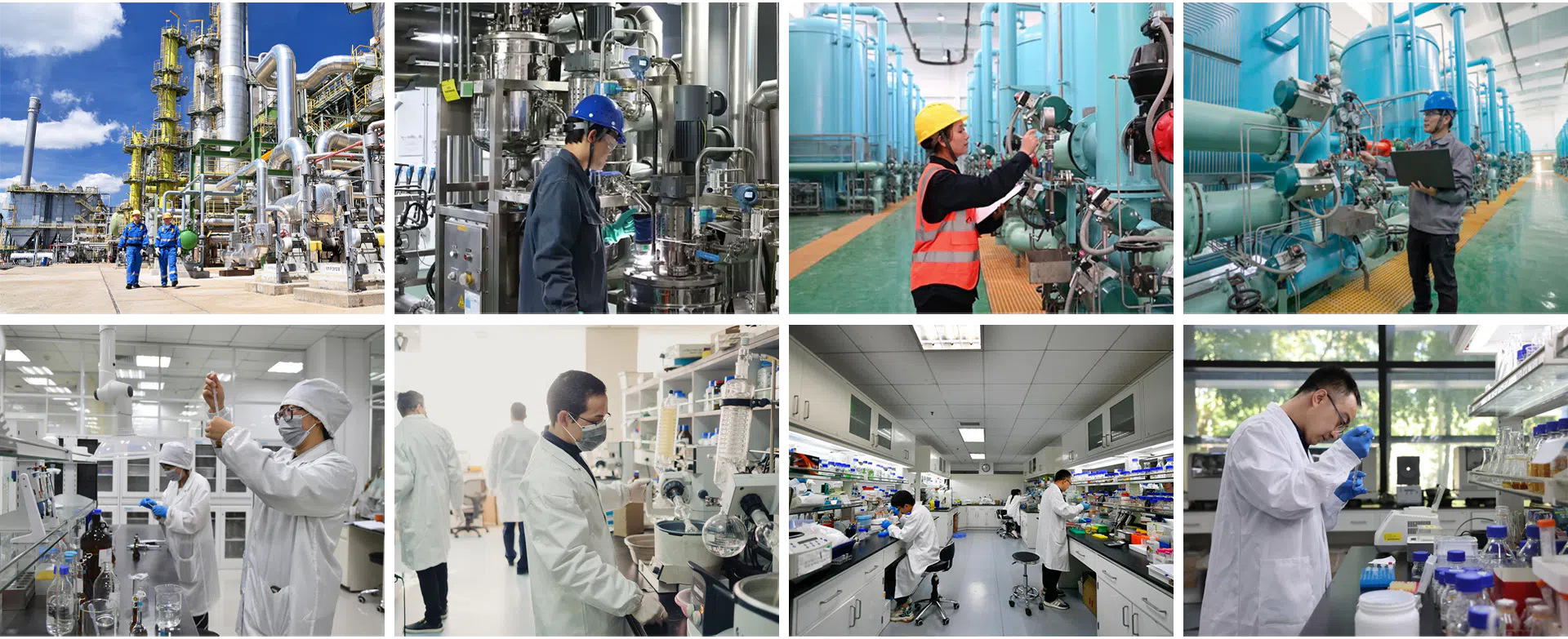
Factory Showcase
Chemical Properties of Caprolactam CAS#105-60-2
| Melting point | 68-71 °C |
| Boiling point | 268.5 °C at 760 mmHg; 136-138 °C at 10 mmHg |
| Density | 1.01~1.023 g/cm³ at 25 °C |
| vapor density | 3.91 (vs air) |
| vapor pressure | <0.01 mmHg at 20 °C; 0.00607 mmHg at 25 °C |
| refractive index | n₂₀/D 1.4935 |
| Fp | 152 °C (closed cup) |
| storage temp. | Store below +30 °C, in cool, dry, ventilated place away from heat, oxidants and strong alkalis |
| solubility | Freely soluble in water, ethanol, ether, acetone, chloroform and most organic solvents |
| Physical Form | White crystalline powder, flakes or hygroscopic leaflets |
| Color | White to faint light yellow |
| Odor | Unpleasant, mild amine spicy / faint phenolic characteristic odor |
| Odor Threshold | 0.3 mg/m³ in air |
| explosive limit | 1.4% ~ 8.0% (V/V) |
| Water Solubility | 82 g/100 mL at 20 °C (4560 g/L) |
| Specific Heat Capacity | 2.49 kJ/(kg·K) at 25 °C |
| Merck | 14, 1778 |
| BRN | 106934 |
| Exposure limits | NIOSH REL: Dust TWA 1 mg/m³, ST 3 mg/m³; Vapor TWA 0.22 ppm (1 mg/m³), ST 0.66 ppm (3 mg/m³) |
| Dielectric constant | 6 (calculated) |
| Surface tension | 30.4 dyne/cm at 20 °C |
| CAS DataBase Reference | 105-60-2 |
Safety Information of Caprolactam CAS#105-60-2
| Hazard Codes | Xn |
| Risk Statements | 20/22-36/37/38 |
| Safety Statements | 2-24/25 |
| RIDADR | UN 2811 6.1/PG 2 |
| OEB | C |
| OEL | TWA: 1 mg/m3, STEL: 3 mg/m3 |
| WGK Germany | 1 |
| RTECS | CM3675000 |
| Autoignition Temperature | 707 °F |
| TSCA | TSCA listed |
| HS Code | 29337100 |
| Storage Class | 11 - Combustible Solids |
| Hazard Classifications | Acute Tox. 4 Inhalation Acute Tox. 4 Oral Eye Irrit. 2 Skin Irrit. 2 STOT SE 3 |
| Hazardous Substances Data | 105-60-2(Hazardous Substances Data) |
| Toxicity | LD50 orally in rats: 2.14 g/kg (Smyth) |
Inventory Display
Product Application of Caprolactam CAS#105-60-2
Caprolactam is a high-purity cyclic monomer that delivers stable polymerization performance in polyamide formulations, with its polymerization efficiency depending on the temperature and pH of the formulation.
In industrial applications, caprolactam can be used as an alternative to in polymer synthesis, plastic modification, and various industrial formulations. It is mainly produced through standardized synthetic industrial processes.
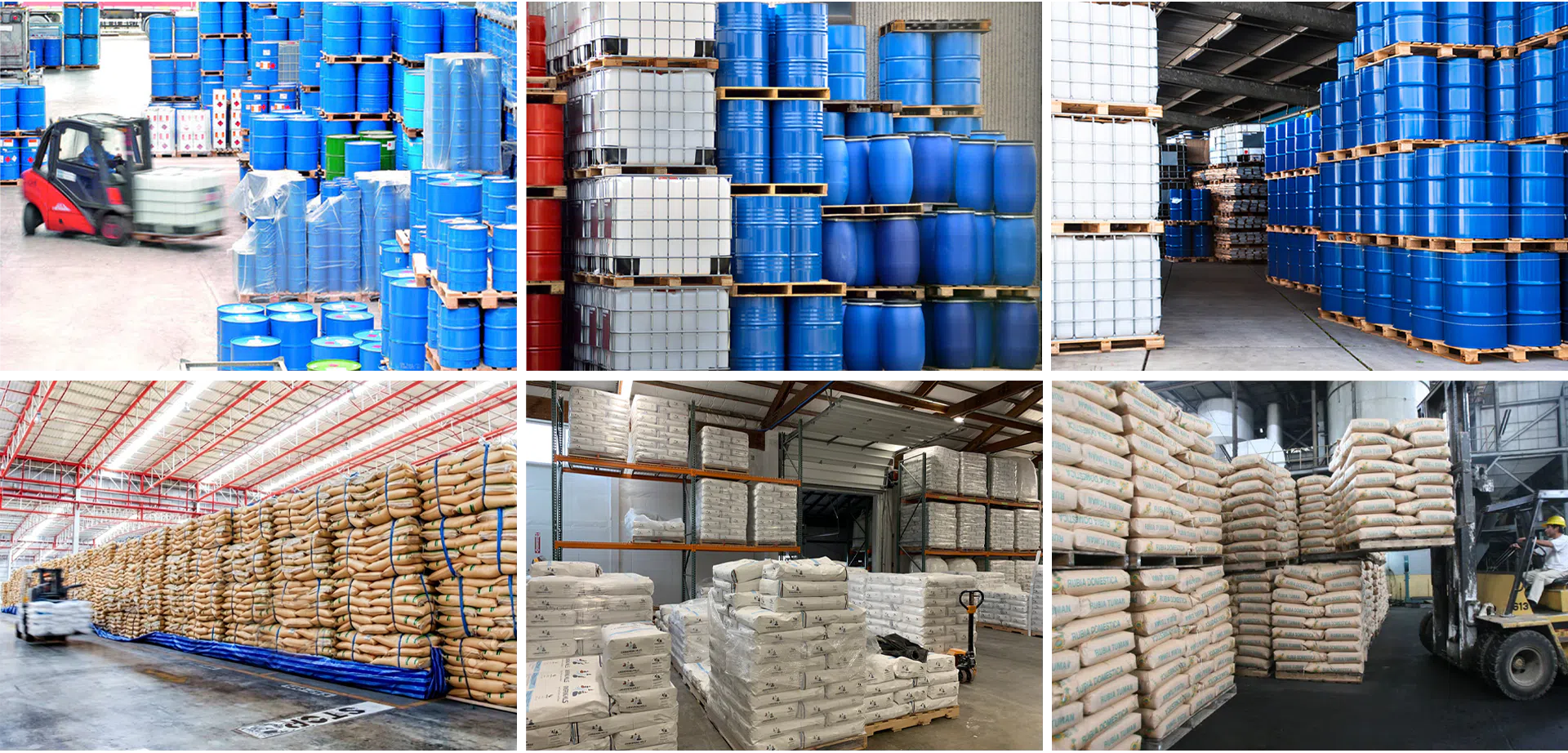
Transportation and Delivery