

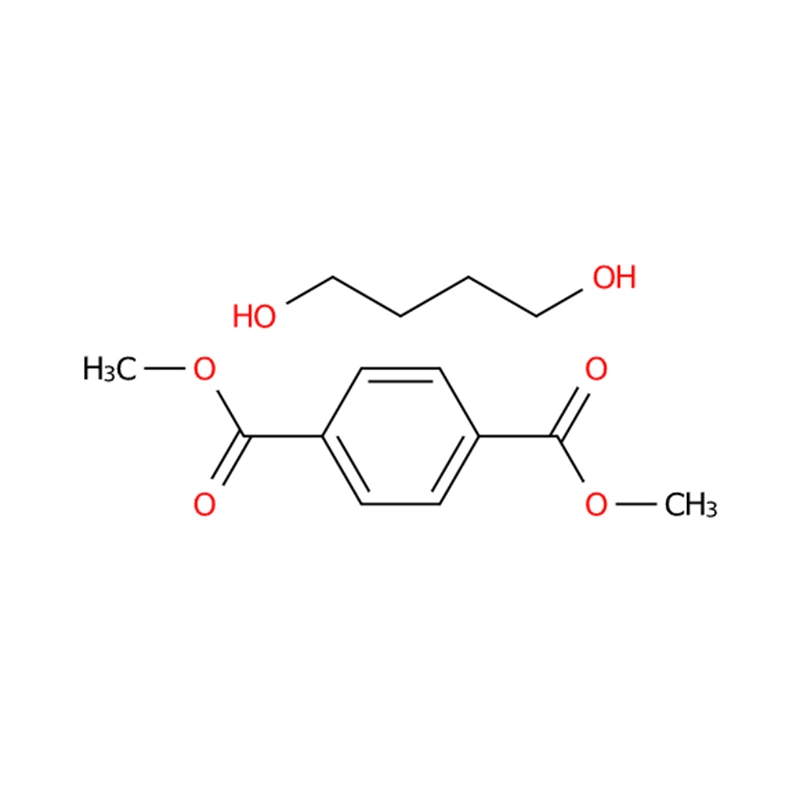
Product Description of Poly(butylene terephthalate) CAS# 26062-94-2
Polybutylene terephthalate (PBT) resin has become a go-to engineering plastic across a wide range of industries, including automotive, electronics, electrical, machinery, and instrumentation, where it is commonly employed in structural components that demand high strength and dimensional reliability.
When reinforced with glass fibers and compounded with flame-retardant additives, PBT is extensively utilized in flame-retardant parts for consumer electronics — particularly in television sets, where it is used for output transformer frames and bases, as well as connectors and switches in various household appliances.
One of PBT's greatest advantages lies in its alloy-forming capability. By blending PBT with other engineering polymers, manufacturers can tailor material properties to meet specific performance requirements. The automotive sector represents the largest market for PBT alloys, where they are widely used in exterior and under-the-hood components such as bumper systems and ignition system housings.
Beyond industrial applications, PBT alloys are gaining growing traction in the food-contact sector. Their excellent heat resistance makes them particularly well suited for manufacturing microwave-safe food containers capable of withstanding temperatures exceeding 160°C.
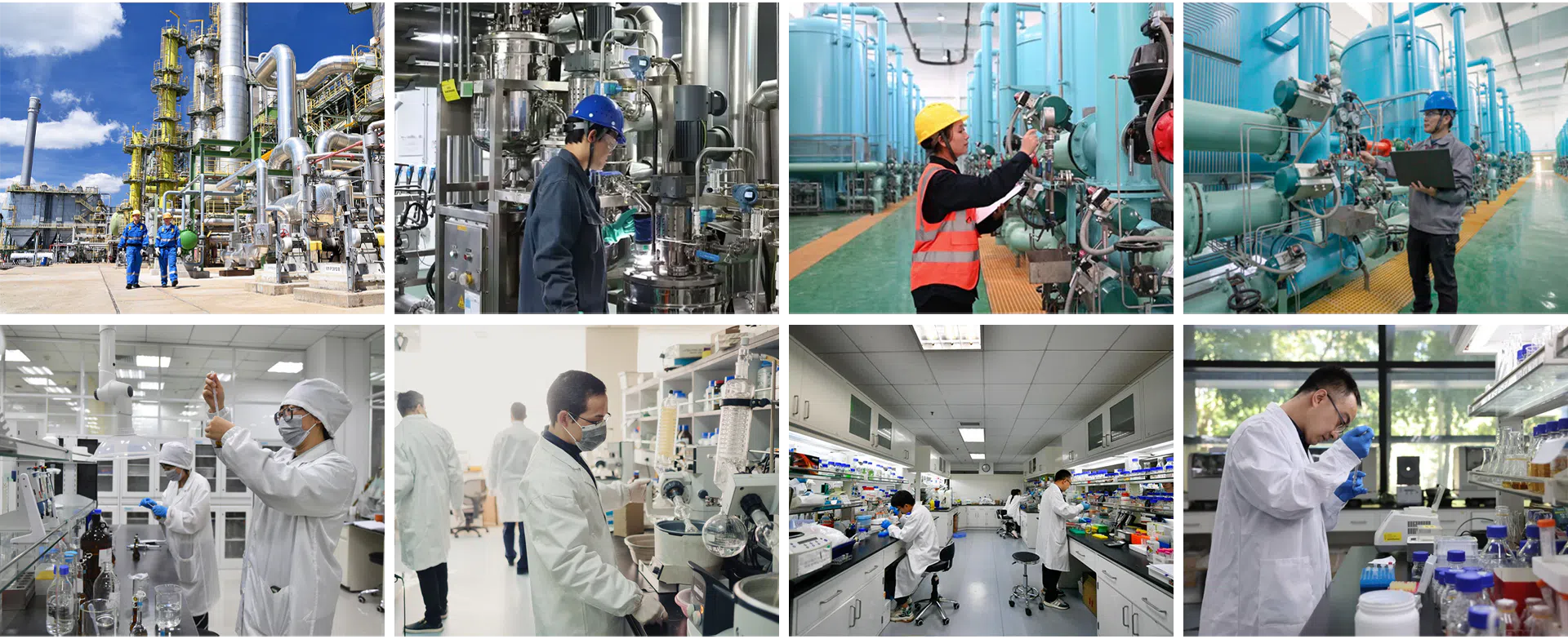
Factory Showcase
Chemical Properties of Poly(butylene terephthalate) CAS# 26062-94-2
| English Name | Poly(butylene terephthalate) |
| English Synonyms | terephthalicacid-1,4-butanediolpolymer;terephthalicacid-tetramethyleneglycolcopolymer;terephthalicacidtetramethyleneglycolpolymer;tetramethylenediol-terephthalicacidpolymer;tetramethyleneglycol-terephthal icacidpolymer;Thermocomp WC-1006;Ultradur B 2550;Ultradur B 4300 G10 |
| CAS Number | 26062-94-2 |
| Molecular Formula | C12H1606 |
| Molecular Weight | 256.25 |
| EINECS Number | 607-857-5 |
| Melting point | 226℃ |
| Density | 1.31 g/mL at 25 °C(lit.) |
| Storage conditions | -70°℃ |
| Form | Granular |
| Biological origin | human |
| Specific activity | 6-8nmol/min-mg |
| InChI | InChI=1S/C8H604.C4H1002/c9-7(10)5-1-2-6(4-3-5)8(11)12;5-3-1-2-4-6/h1-4H,(H,9,10)(H,11,12); 5-6H,1-4 H2 |
| InChI key | PCVVBHUFWPHCAL-UHFFFAOYSA-N |
| SMILES | C(C1C=CC(C(=O)O)=CC=1)(=O)O.C(CO)CCO |
Safety Information
| WGK Germany | 3 |
| TSCA | TSCA listed |
| Storage Class | 11 - Combustible Solids |
| Hazardous Substances Data | 26062-94-2(Hazardous Substances Data) |
Inventory Display
Product Application of Poly(butylene terephthalate) CAS# 26062-94-2
Poly(butylene terephthalate) (CAS# 26062-94-2) is a high-performance engineering thermoplastic widely used across multiple industries. In the automotive sector, it is employed in ignition system components, bumpers, door handles, and under-the-hood parts due to its excellent mechanical strength and heat resistance. In electronics and electrical applications, glass fiber reinforced PBT serves as a flame-retardant material for connectors, switches, circuit breaker housings, and transformer components in televisions and household appliances. PBT is also blended with other polymers to form customized plastic alloys for demanding applications. Additionally, its superior thermal stability makes it suitable for food-contact items such as microwave-safe containers rated for temperatures above 160°C.
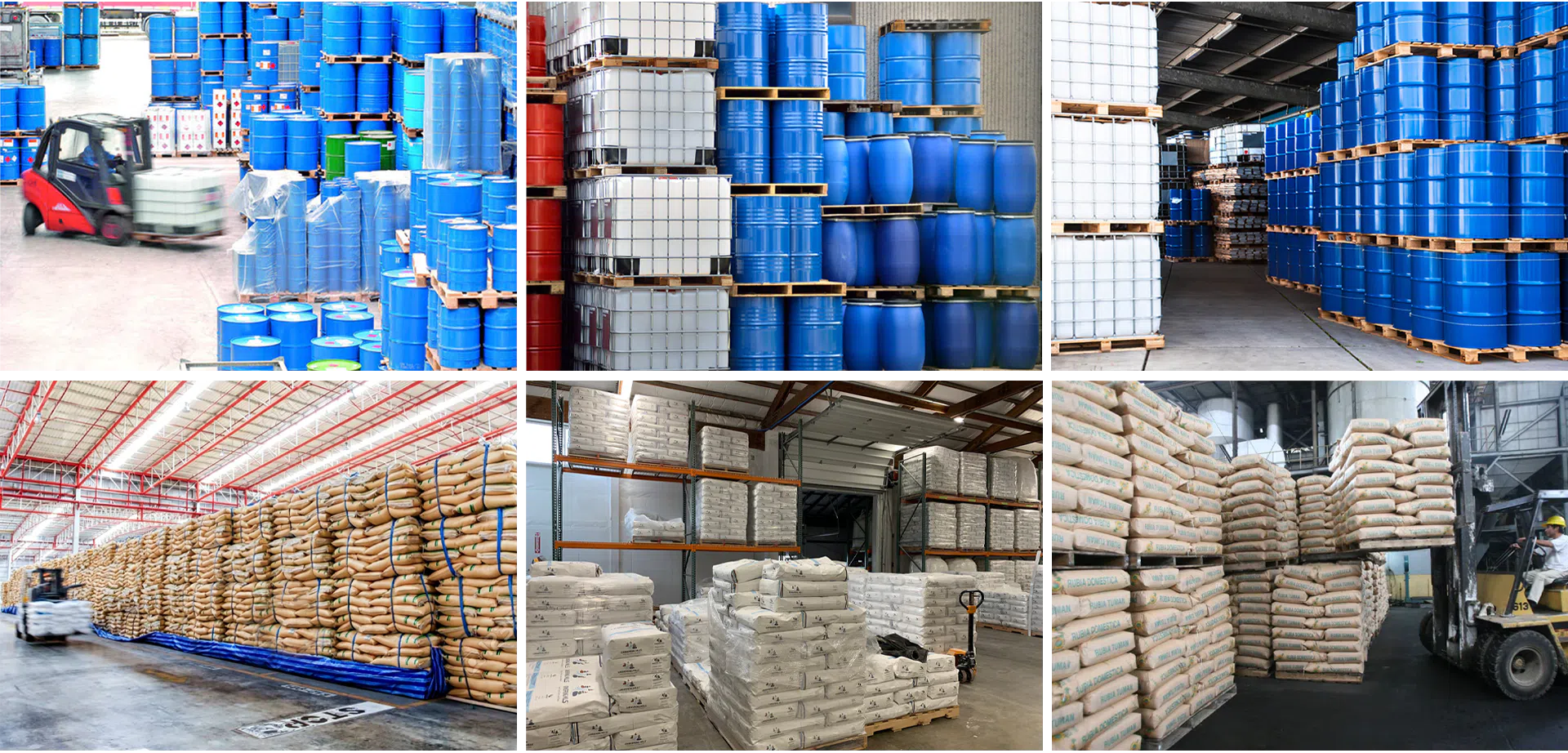
Transportation and Delivery