

Product Description
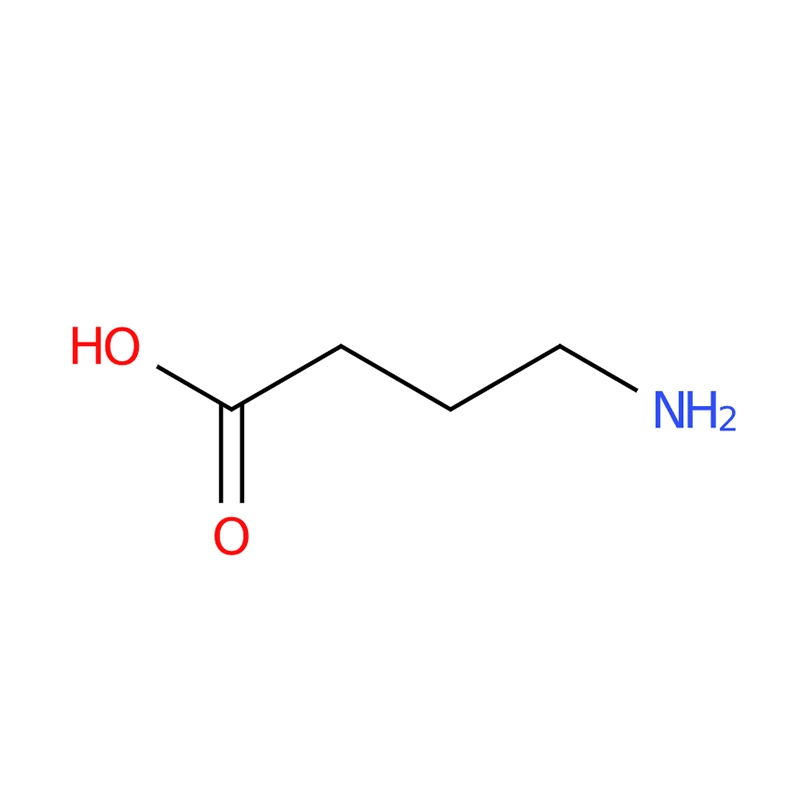
4-Aminobutyric acid is used both in biochemical research and medicinally to treat diseases related to hepatic coma and cerebrovascular disorders. As a pharmaceutical intermediate, it helps lower blood lipids, making it suitable for the treatment and prevention of various types of hepatic coma. It can also treat conditions like poliomyelitis, cerebral hemorrhage, and serve as an antidote for gas poisoning. Additionally, it plays a role in biochemical research and organic synthesis. 4-Aminobutyric acid reduces blood ammonia levels and promotes brain metabolism, making it effective for treating hepatic coma, coma from stroke sequelae, cerebral arteriosclerosis, head trauma sequelae, uremia, and gas poisoning. It acts as a major inhibitory neurotransmitter in the brain, agonizes GABAA and GABAB receptors, and increases chloride conductivity.
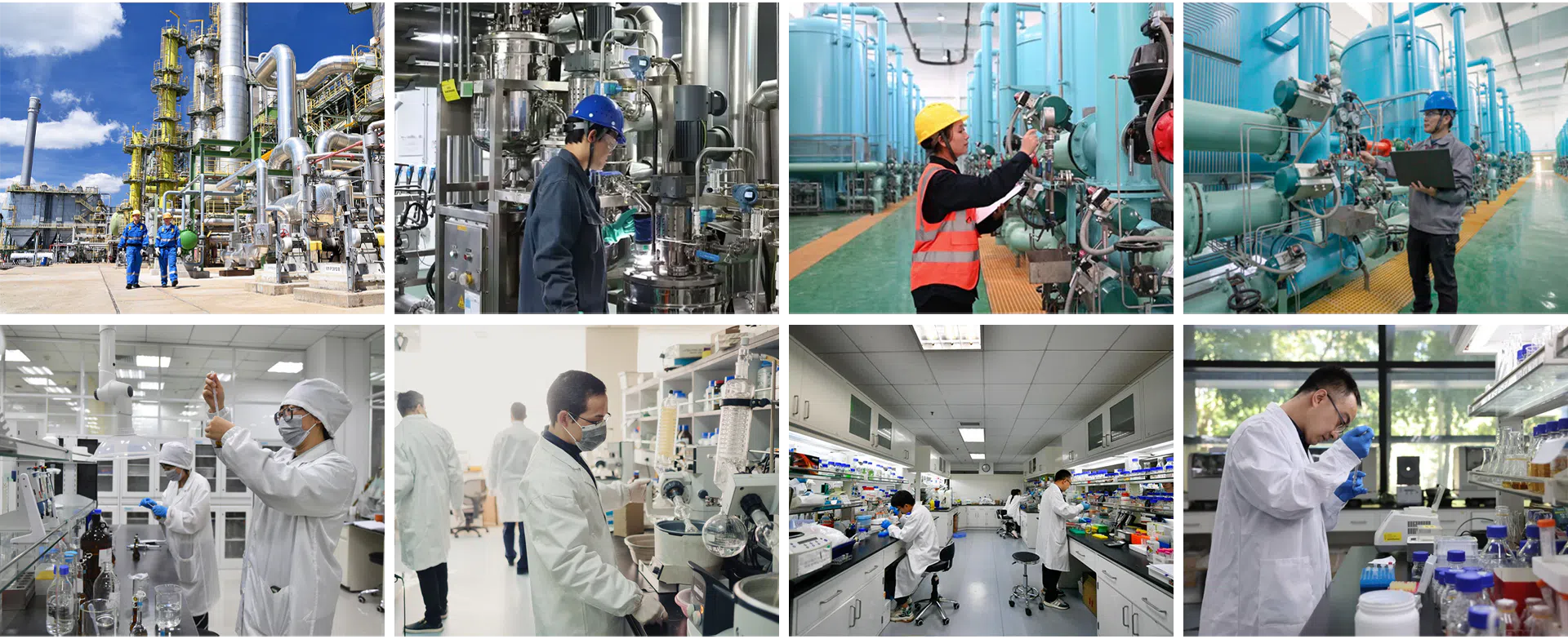
Factory Showcase
Chemical Properties
| Name | 4-Aminobutyric acid |
| CAS | No.56-12-2 |
| CID | 119 |
| EINECS(EC#) | 200-258-6 |
| Molecular Formula | C4H9NO2 (isomer) |
| Inchi | InChI=1S/C4H9NO2/c5-3-1-2-4(6)7/h1-3,5H2,(H,6,7) |
| InChIkey | BTCSSZJGUNDROE-UHFFFAOYSA-N |
| Canonical Smiles | C(CC(=O)O)CN |
| Isomers Smiles | C(CC(=O)O)CN |
| Density | 1.2300 (estimate) |
| Melting point | 195?°C (dec.)(lit.) |
| Boiling point | 248oC at 760 mmHg |
| Refractive index | 1.4650 (estimate) |
| Flash Point | 103.8oC |
| Vapour Pressure | 0.0±1.0 mmHg at 25°C |
| Precise Quality | 103.06300 |
| PSA | 63.32000 |
| logP | 0.51020 |
| Solubility | H2O: 1?M at?20?°C, clear, colorless |
| Appearance | H2O: 1?M at?20?°C, clear, colorless |
| Storage | Ambient temperatures. |
| Chemical Properties | White, powdery solid; savory, meat-like aroma |
| Color/Form | White to almost white |
| PKa | 4.031(at 25℃) |
| Water Solubility | H2O: 1?M at?20?°C, clear, colorless | SOLUBLE |
| Stability | Stable under normal temperatures and pressures. |
| StorageTemp | Store at RT. |
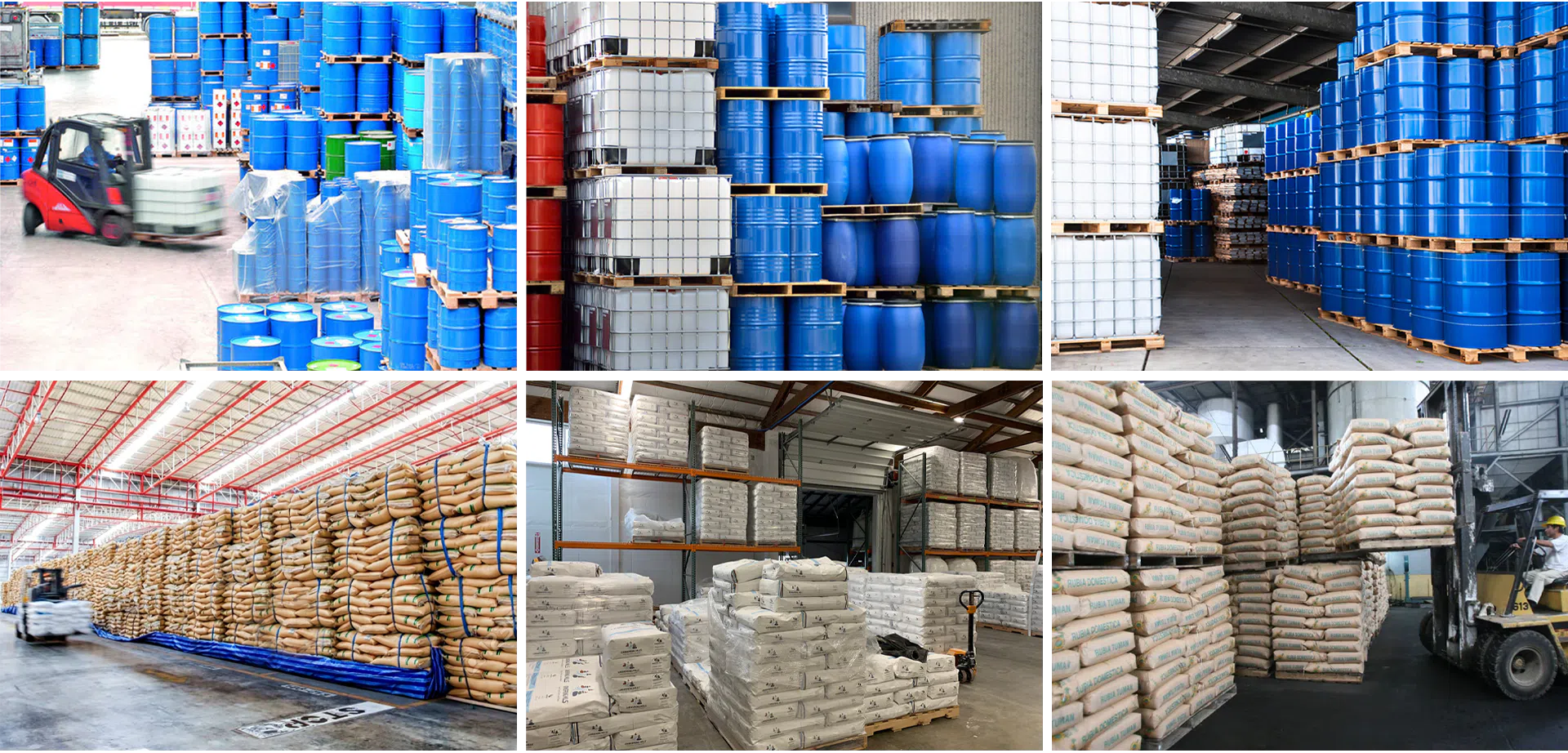
Inventory Display
Product Application
4-Aminobutyric acid serves as a pharmaceutical intermediate with the ability to lower blood lipids, making it effective for the treatment and prevention of various types of hepatic coma. It can also be used to treat poliomyelitis, cerebral hemorrhage, and as an antidote for gas poisoning. Additionally, it is widely utilized in biochemical research and organic synthesis.
This compound reduces blood ammonia levels and promotes brain metabolism. It is beneficial for treating different types of hepatic coma and comas caused by stroke sequelae, cerebral arteriosclerosis, head trauma sequelae, uremia, and gas poisoning.
As a major inhibitory neurotransmitter in the brain, it acts as an agonist for GABAA and GABAB receptors, enhancing chloride (Cl−) conductivity.
Transportation and Delivery