

Product Description of Ethylene Oxide CAS#75-21-8
Ethylene oxide is a colorless volatile gas at room temperature, usually stored as compressed liquid, with pungent ether-like odor. It is an important organic chemical intermediate with strong reactivity.
Ethylene oxide is primarily used to manufacture ethylene glycol, polyether polyols and nonionic surfactants, serving as core feedstock for fine chemical industry.
It is also widely applied in medical sterilization, pharmaceutical synthesis and many organic synthesis formulations.
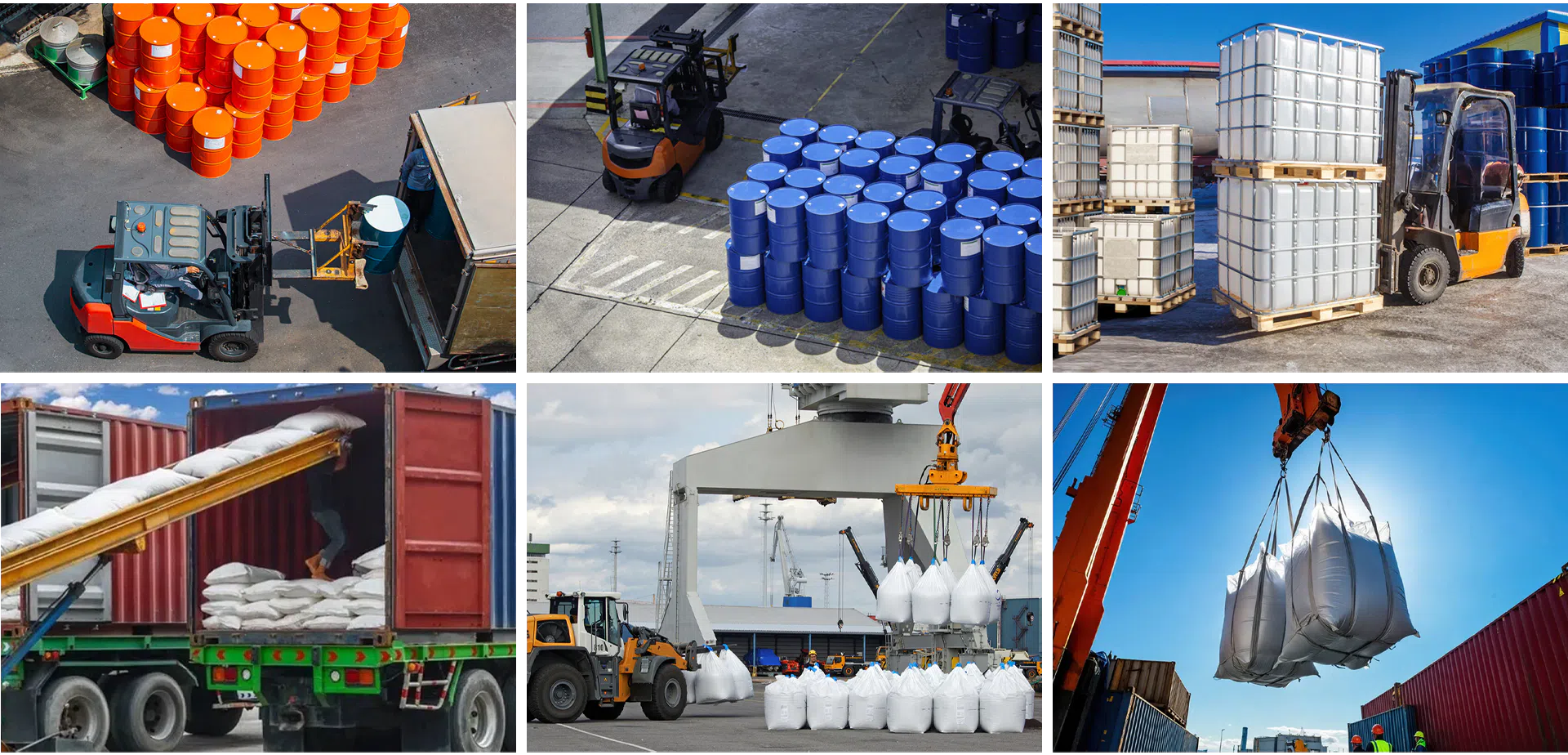
Factory Showcase
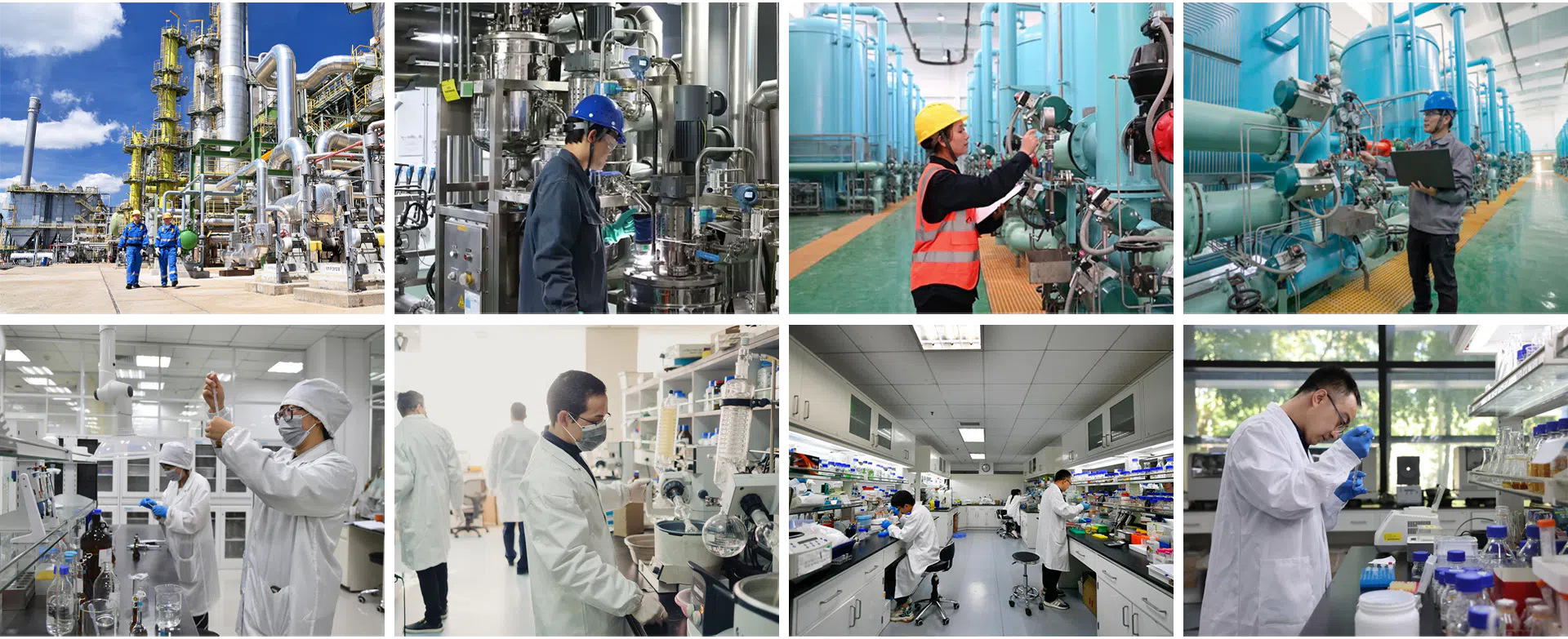
Chemical Properties of Ethylene Oxide CAS#75-21-8
| Melting point | −111 °C(lit.) |
| Boiling point | 10.7 °C(lit.) |
| density | 0.882 g/mL at 25 °C(lit.) |
| vapor pressure | 1095 mmHg at 20 °C |
| refractive index | n20/D 1.3597(lit.) |
| Fp | <-17.7℃ |
| storage temp. | 2-8°C |
| form | Colorless gas |
| Odor | Sweet odor detectable at 257 to 690 ppm |
| Specific Heat Capacity | Cp(liquid): 2 J/(g·K); Cp(gas): 1.09 J/(g·K), at 25℃ |
| Merck | 3802 |
| BRN | 102378 |
| Henry's Law Constant | 5.8×10⁻² mol/(m3Pa) at 25℃, Conway et al. (1983) |
| Exposure limits | ACGIH TLV-TWA:1 ppm (1.8 mg/m3) NIOSH REL-TWA:< 0.1 ppm;REL-Ceiling:5 ppm [10-min/day] |
| Dielectric constant | 14.0(-4℃) |
| Major Application | agriculture cleaning products cosmetics food and beverages personal care |
| InChI | 1S/C2H4O/c1-2-3-1/h1-2H2 |
| InChIKey | IAYPIBMASNFSPL-UHFFFAOYSA-N |
| SMILES | C1CO1 |
| LogP | -0.30 |
| CAS DataBase Reference | 75-21-8(CAS DataBase Reference) |
| IARC | 1 (Vol. Sup 7, 60, 97, 100F) 2012 |
| EPA Substance Registry System | Ethylene oxide (75-21-8) |
Safety Information of Ethylene Oxide CAS#75-21-8
| Hazard Codes | F+,T,F |
| Risk Statements | 45-46-12-23-36/37/38-39/23/24/25-23/24/25-11-67-20-36/37-19-6 |
| Safety Statements | 53-45-36/37-16-24/25-23-26 |
| RIDADR | UN 1040 |
| OEB | C |
| OEL | TWA: <0.1 ppm (0.18 mg/m3), Ceiling: 5 ppm (9 mg/m3) [10-min/day] |
| WGK Germany | 2 |
| RTECS | KX2450000 |
| F | 4.5-31 |
| Autoignition Temperature | 429 °C |
| TSCA | TSCA listed |
| DOT Classification | 2.3, Hazard Zone D (Gas poisonous by inhalation) |
| HazardClass | 2.3 |
| HS Code | 29101000 |
| Storage Class | 6.1C - Combustible acute toxic Cat.3 toxic compounds or compounds which causing chronic effects |
| Hazard Classifications | Carc. 1B Muta. 1B Repr. 1B |
| Hazardous Substances Data | 75-21-8(Hazardous Substances Data) |
| Toxicity | LD50 oral (rat) 72 mg/kg LC50 inhal (rat) 800 ppm (1600 mg/m3) PEL (OSHA) 1 ppm (2 mg/m3) TLV-TWA (ACGIH) 1 ppm (2 mg/m3) |
| IDLH | 800 ppm |
Inventory Display
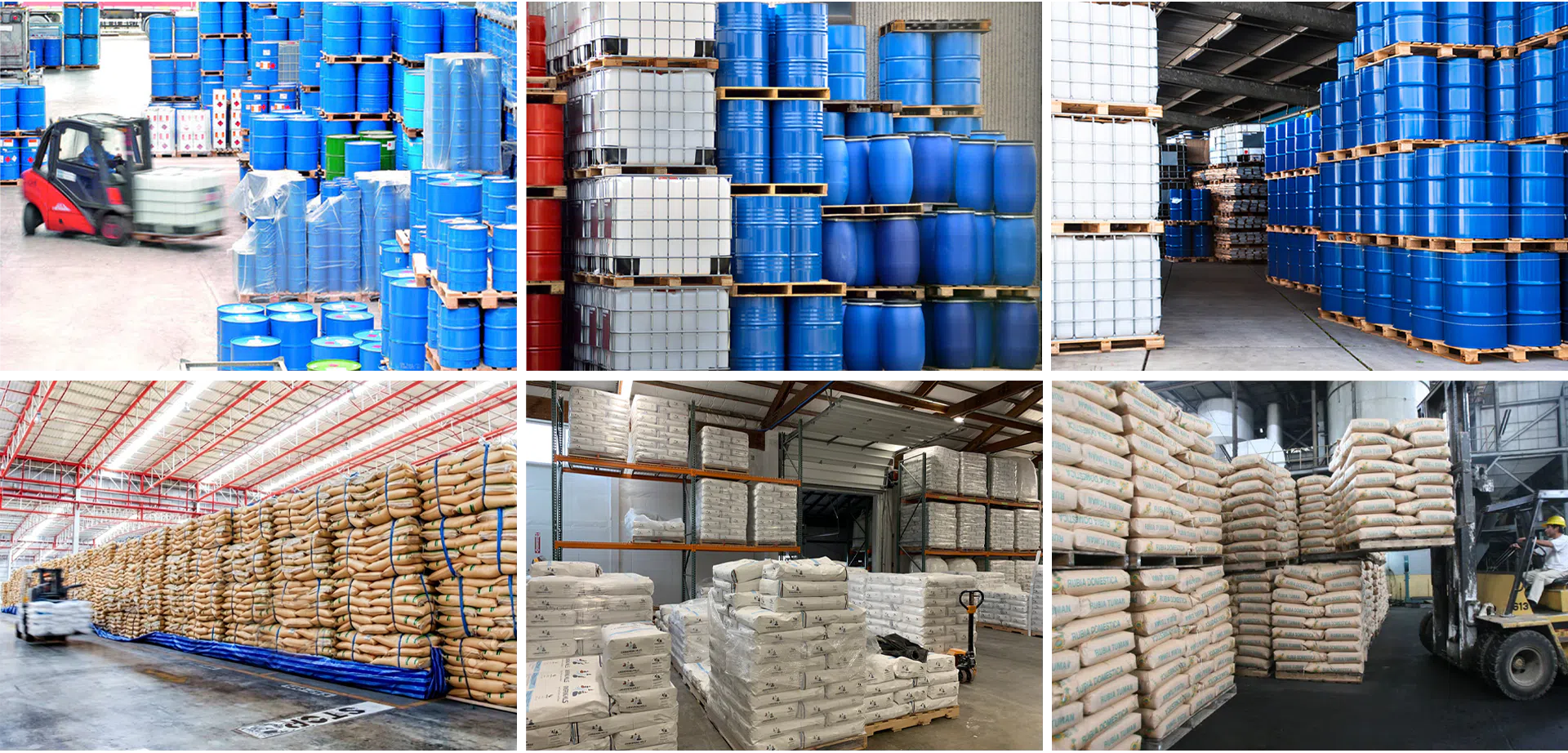
Product Application of Ethylene Oxide CAS#75-21-8
Ethylene oxide is primarily used in the production of polyether and glycol products, which are important raw materials for polyether polyols, nonionic surfactants and ethylene glycol. It is also used in the manufacture of pharmaceutical intermediates, sterilization agents, and other specialty fine chemical products.
In addition, Ethylene oxide serves as an important highly reactive chemical intermediate in various organic synthesis and industrial processes. Its strong ring-opening reactivity allows it to participate in a wide range of addition and polymerization processes, supporting applications across polyurethane, fine chemical, pharmaceutical and medical disinfection industries.
Transportation and Delivery