Product Description
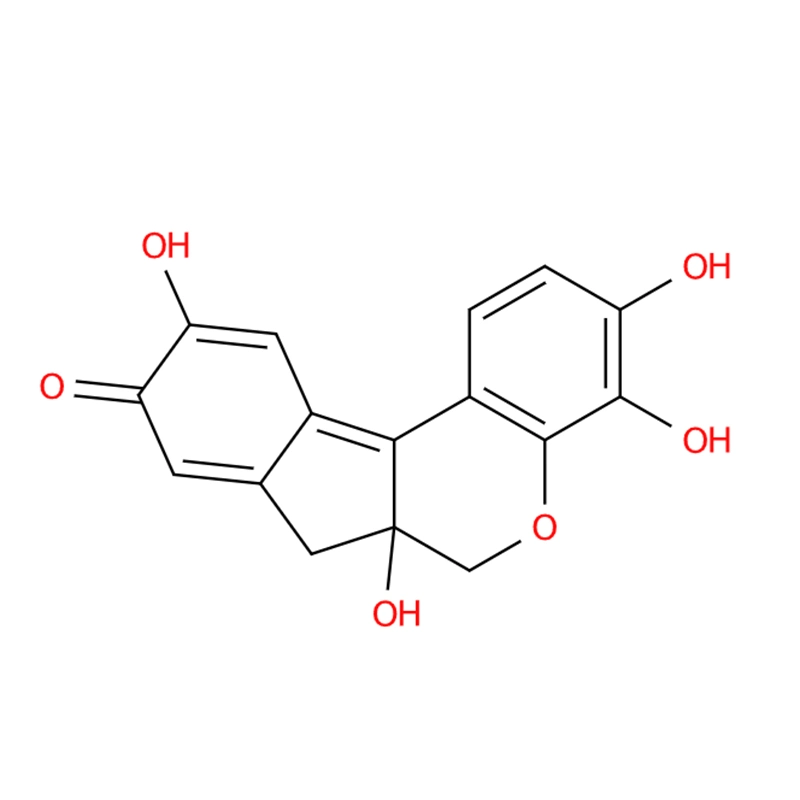
Hematoxylin extract (oxidized hematoxylin) acts as a natural precursor of the dye hematoxylin, which is generated through an oxidation process. Hematoxylin oxide is the product formed as a result of this oxidation. In aqueous media, especially under alkaline conditions, it is easily further oxidized upon exposure to air.
Factory Showcase
Chemical Properties
| Melting point | 180 °C |
| Boiling point | 361.5°C (rough estimate) |
| Density | 1.2766 (rough estimate) |
| Refractive index | 1.4600 (estimate) |
| Storage temp | 2-8°C |
| Solubility | Methanol (Slightly) |
| Form | Crystalline Powder |
| Colour Index | 75290 |
| Pka | 8.02±0.40(Predicted) |
| Color | Dark brown |
| Water Solubility | 0.6g/L(20 ºC) |
| Merck | 13,4651 |
| BRN | 93039 |
| LogP | 0.560 (est) |
| EPA Substance Registry System | Benz[b]indeno[1,2-d]pyran-9(6H)-one, 6a,7-dihydro-3,4,6a,10-tetrahydroxy- (475-25-2) |
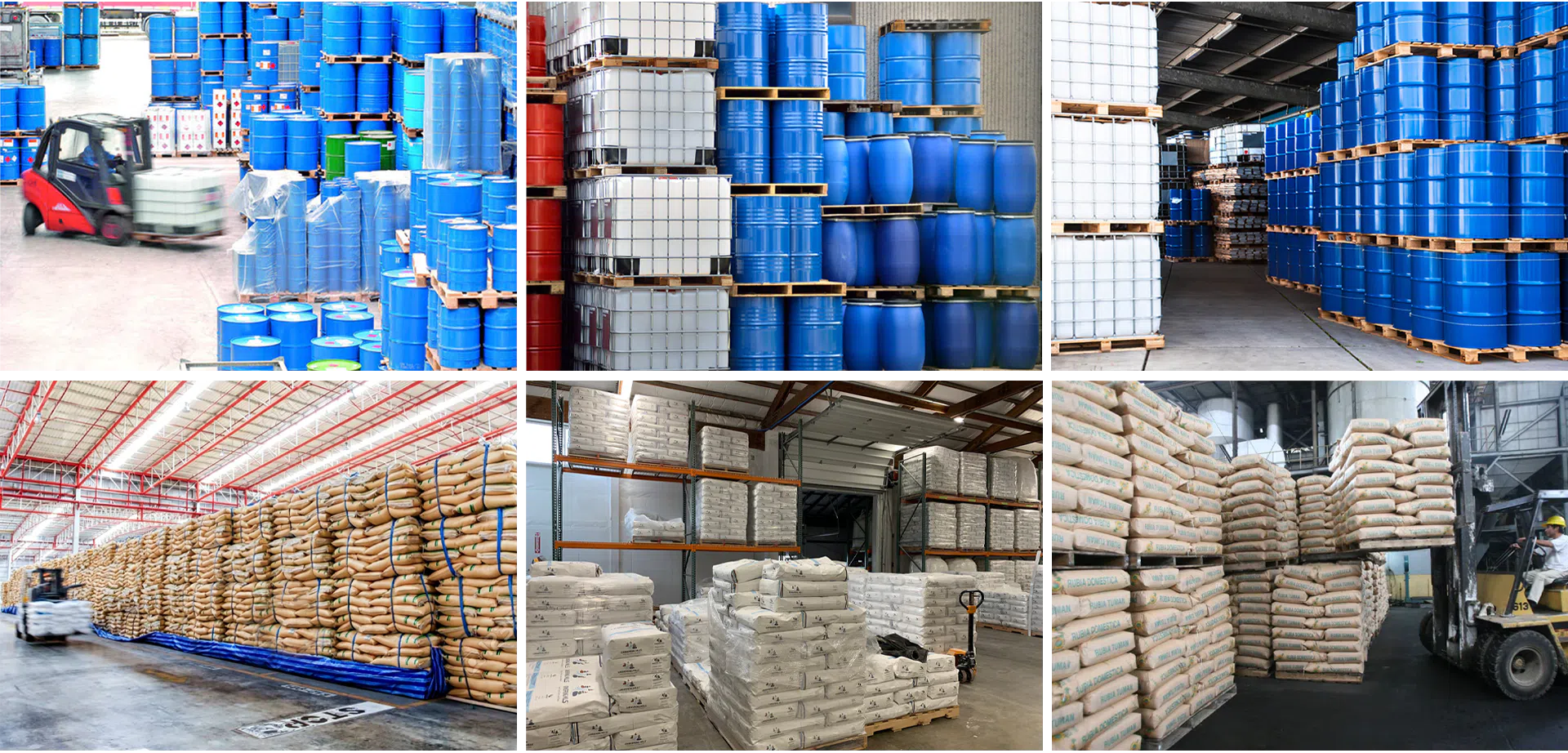
Inventory Display
Safety Information
| Safety Statements | 24/25 |
| WGK Germany | 3 |
| RTECS | DE3120000 |
| F | 8-10-23 |
| HS Code | 32030010 |
Product Application
Logwood extract (haematein) has a wide range of applications. In the textile industry, it is used as a natural dye particularly suitable for coloring wool and silk fibers. In combination with different mordants, it can produce a broad spectrum of hues, ranging from bright purple to deep black. In laboratory use, the oxidized hematoxylin it contains can react with metal ions to form colored complexes. It is commonly used together with eosin in H&E staining, where it helps in the visualization and analysis of cellular structures.
Transportation and Delivery