

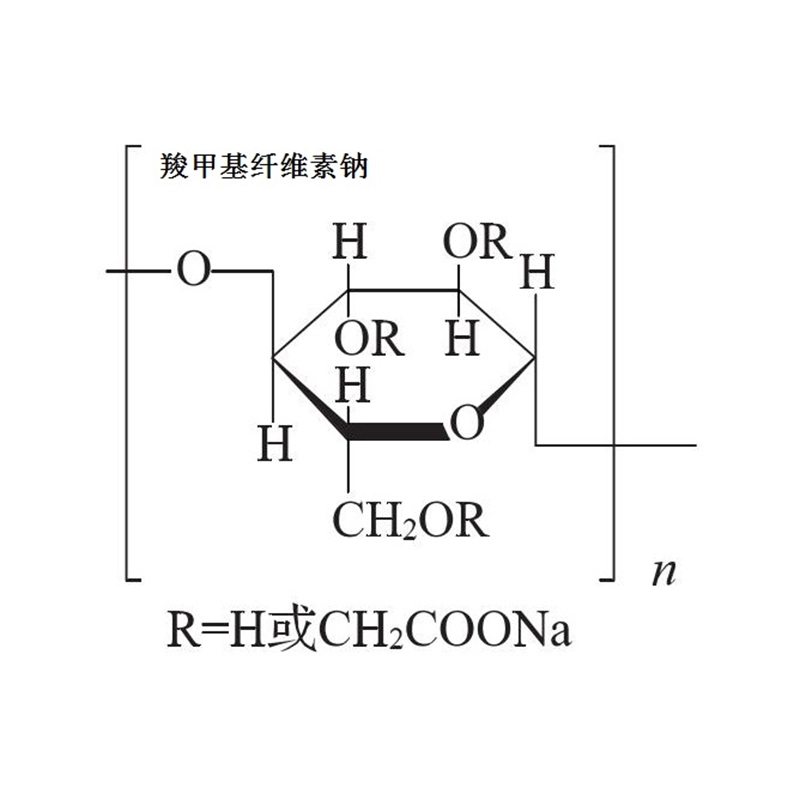
Products Description of Sodium Carboxymethyl Cellulose (CMC) CAS#9004-32-4
Also known as cellulose gum, sodium carboxymethyl cellulose (CMC) is a core anionic cellulose ether modified from natural cellulose via carboxymethylation. It is synthesized by reacting cellulose with caustic soda and monochloroacetic acid, producing anionic polymers with molecular weights ranging from thousands to millions.
CMC is white or milky white fibrous powder/granules at 0.5–0.7 g/cm³ density, odorless, tasteless and hygroscopic. It disperses smoothly in water to form transparent colloids but is insoluble in ethanol and other organic solvents. A 1% CMC solution registers pH 6.5–8.5, with peak performance at neutral pH; viscosity declines sharply under pH <5 or pH >10.
CMC features reliable heat resistance: viscosity surges below 20°C and changes moderately at roughly 45°C. Sustained heating over 80°C damages the colloid and weakens its functions. It stays stable in alkali but hydrolyzes readily in acid, precipitating at pH 2–3 or when mixed with multivalent metal salts. Solid CMC resists light degradation and room-temperature aging, suitable for long-term dry storage.
Factory Showcase

Sodium Carboxymethyl Cellulose Chemical Properties
| Melting point | 274 °C (dec.) |
| Density | 1,6 g/cm3 |
| FEMA | 2239 | CARBOXYMETHYLCELLULOSE |
| Storage temp | room temp |
| Solubility | H2O: 20 mg/mL, soluble |
| Form | low viscosity |
| Pka | 4.30(at 25℃) |
| Color | White to light yellow |
| PH | pH (10g/l, 25℃) 6.0~8.0 |
| Odor | Odorless |
| PH Range | 6.5 - 8.5 |
| Water Solubility | soluble |
| Merck | 141829 |
| Stability | Stable. Incompatible with strong oxidizing agents. |
| EPA Substance Registry System | Sodium carboxymethyl cellulose (9004-32-4) |
| Risk Statements | 40 |
| Safety Statements | 24/25 |
| WGK Germany | 1 |
| RTECS | FJ5950000 |
| F | 3 |
| Autoignition Temperature | 698 °F |
| TSCA | Yes |
| HS Code | 39123100 |
| Toxicity | LD50 oral in rabbit: > 27gm/kg |
Inventory Display
Product Application of Sodium Carboxymethyl Cellulose (CMC) CAS#9004-32-4
Sodium carboxymethyl cellulose (CMC) serves as a versatile thickener, stabilizer and emulsifier, with broad applicability across a wide range of industrial sectors.
Food-grade CMC delivers integrated functionalities including thickening, emulsifying, molding, water retention and stabilizing. Its addition to food formulations cuts manufacturing expenses, optimizes texture and flavor profiles, and prolongs product shelf life. It is extensively adopted for solid and liquid beverages, canned goods, confectionery, baked cakes, meat derivatives, crackers, instant noodles, instant and frozen food, as well as plant-based drinks such as soy milk, yoghurt, peanut milk, fruit tea and fruit juice. The applicable amount and usage method of CMC differ in accordance with various food categories.
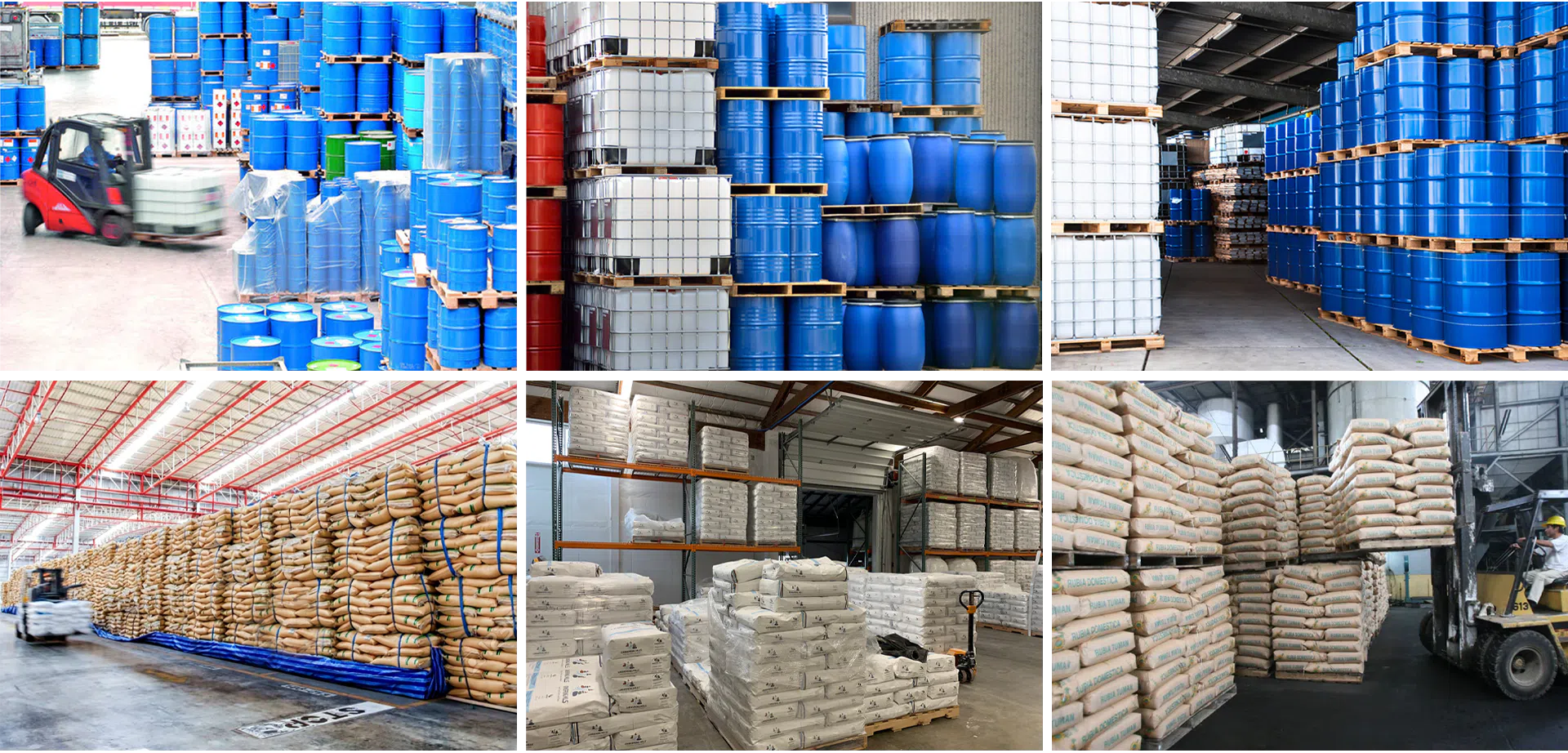
Transportation and Delivery