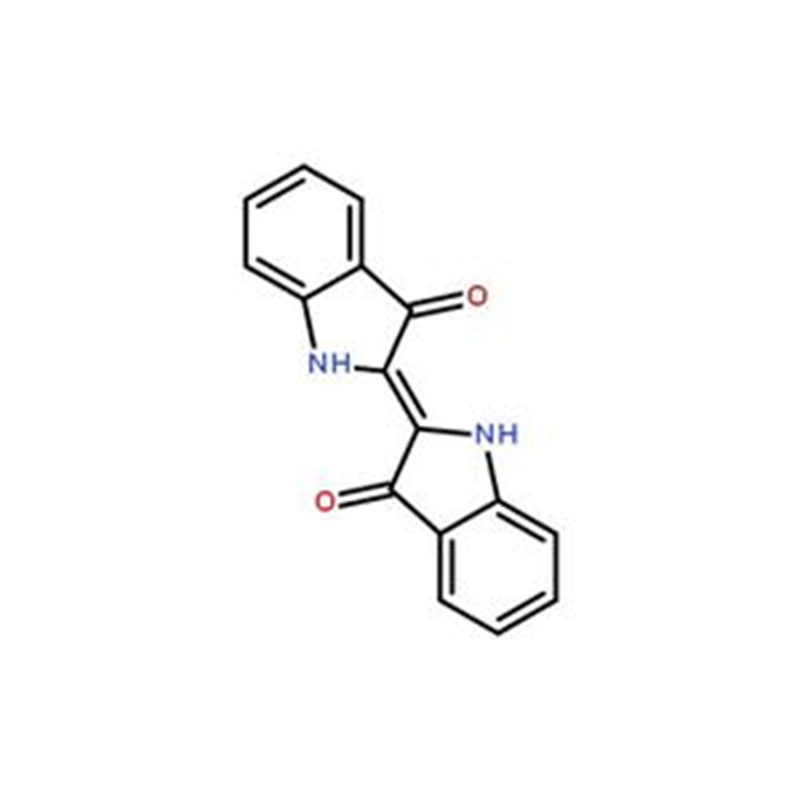
Products Description of Indigo CAS#482-89-3
Indigo is a classic vat dye boasting a history of over 3,000 years. The famous quote by Xun Kuang of the Warring States Period, “Indigo blue is extracted from the indigo plant, yet bluer than the plant itself”, derives from the indigo dyeing techniques prevalent at that time. Here, the character “qing” stands for the indigo-blue pigment, whereas the term “lan” refers to the original indigo-bearing herb used for dye production. The large-scale application of indigo dyes dates back to well before the Qin and Han dynasties.
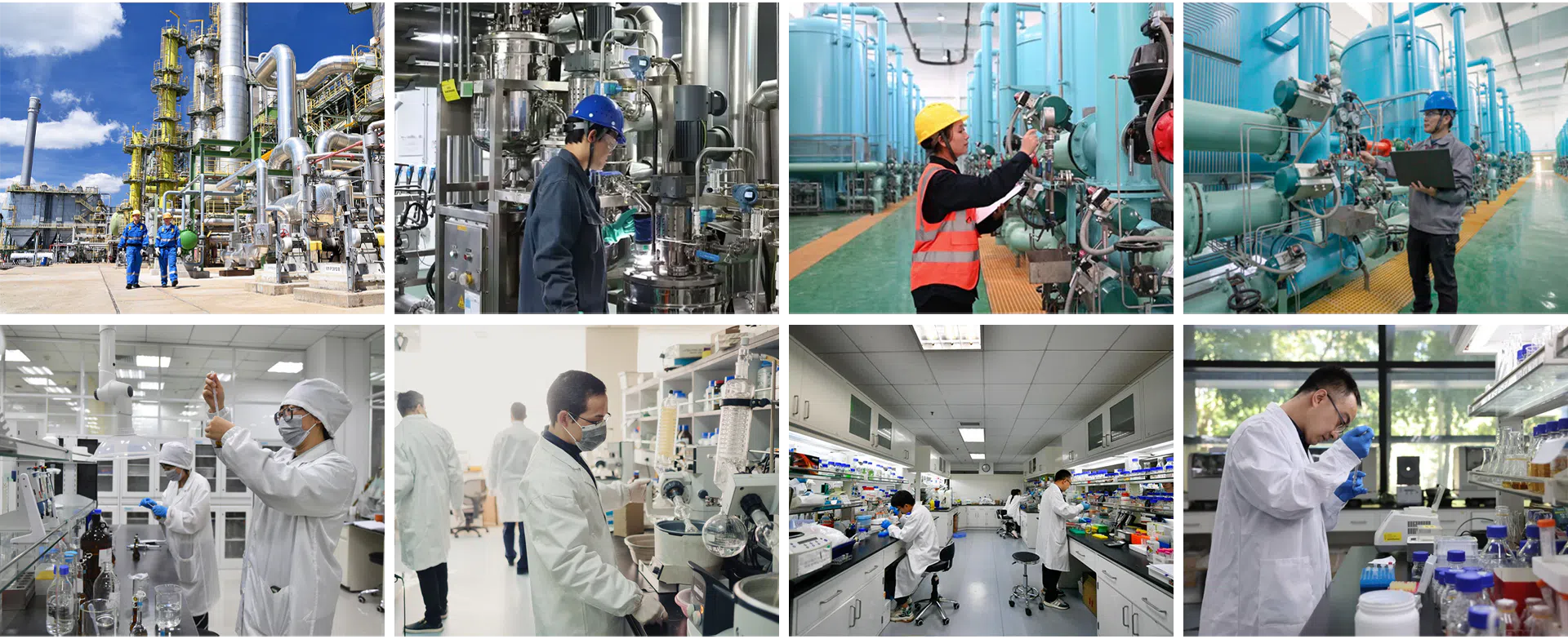
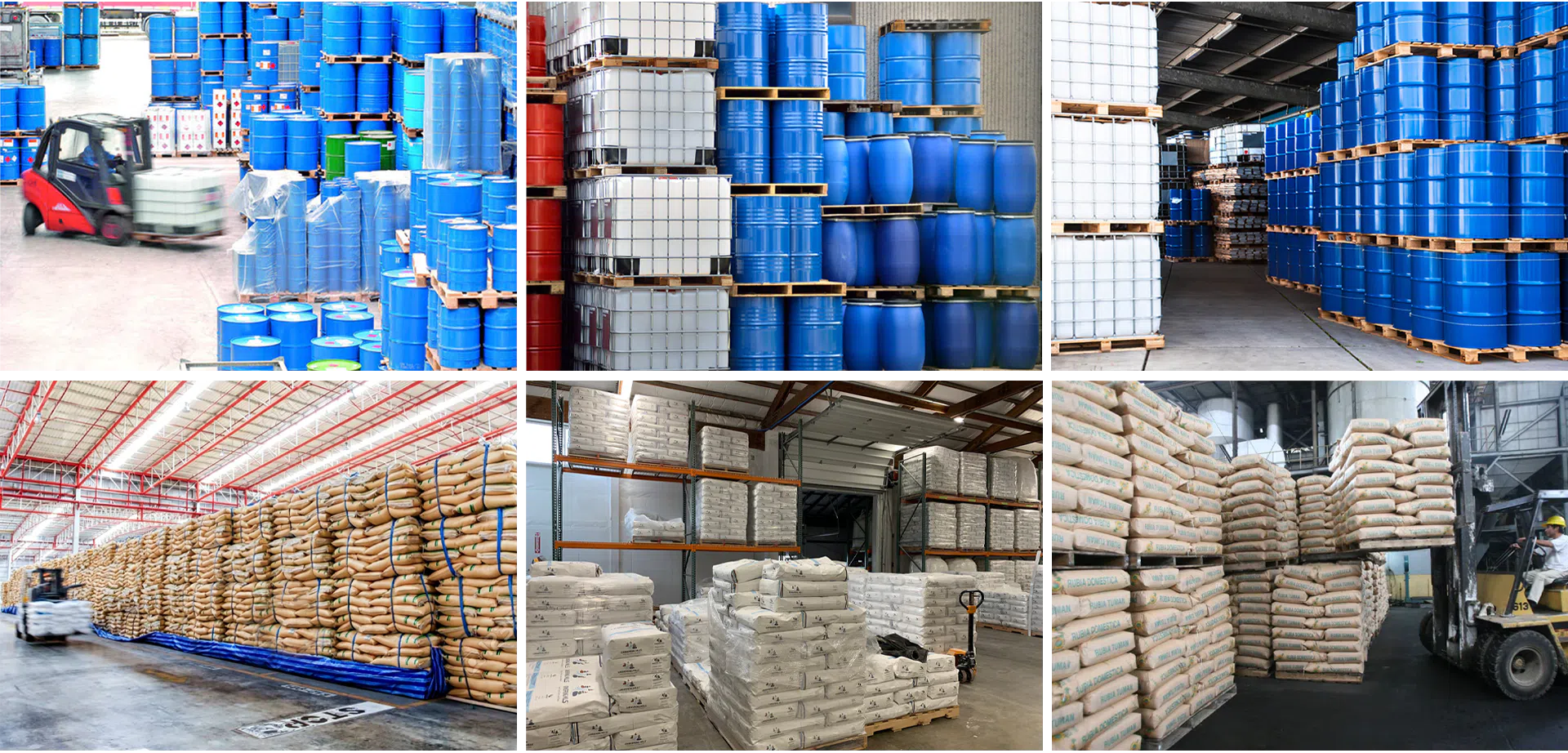
Factory Showcase
Indigo Chemical Properties
| Melting point | >300 °C(lit.) |
| Boiling point | 405.51°C (rough estimate) |
| Density | 1.01 g/mL at 20 °C |
| Vapor pressure | 0Pa at 100℃ |
| Refractive index | 1.5800 (estimate) |
| Fp | >220℃ |
| Storage temp. | Sealed in dry,Room Temperature |
| Solubility | DMSO (Slightly, Heated, Sonicated), DMF (Slightly) |
| Form | Powder |
| Colour Index | 73000 |
| Pka | -3.83±0.20(Predicted) |
| Color | Dark blue to violet |
| Water Solubility | <0.1 g/100 mL |
| Merck | 144,943 |
| BRN | 88275 |
| Stability | Stable. Incompatible with strong oxidizing agents. |
| InChIKey | COHYTHOBJLSHDF-BUHFOSPRSA-N |
| LogP | 2.7 at 23℃ |
| CAS DataBase Reference | 482-89-3(CAS DataBase Reference) |
| NIST Chemistry Reference | c.i. Vat blue 1(482-89-3) |
| EPA Substance Registry System | C.I. Vat Blue 1 (482-89-3) |
Safety Information
| Hazard Codes | Xi,Xn |
| Risk Statements | 36/38-36/37/38-48/20/21/22 |
| Safety Statements | 26-36 |
| RIDADR | UN 3264 8/PG 3 |
| WGK Germany | 1 |
| RTECS | DU2988400 |
| HS Code | 32041510 |
| Hazardous Substances Data | 482-89-3(Hazardous Substances Data) |
| Toxicity | LD50 oral in mouse: > 32gm/kg |
Inventory Display
Product Application of Indigo CAS#482-89-3
Indigo can be applied as a food colorant, with permitted usage scope and maximum dosages clearly stipulated by national food safety regulations. The maximum permissible addition amount is 0.02 g/kg for red and green silk noodles. For fruit juice and fruit-flavored beverages, carbonated soft drinks, formulated wines, confectionery, baked pastries, color-coated food products, dyed ornamental canned cherries and preserved green plums, the upper dosage limit is set at 0.10 g/kg. As for pickled vegetables, the maximum allowed concentration of indigo is restricted to 0.01 g/kg
Transportation and Delivery