Product Description of Styrene CAS# 100-42-5
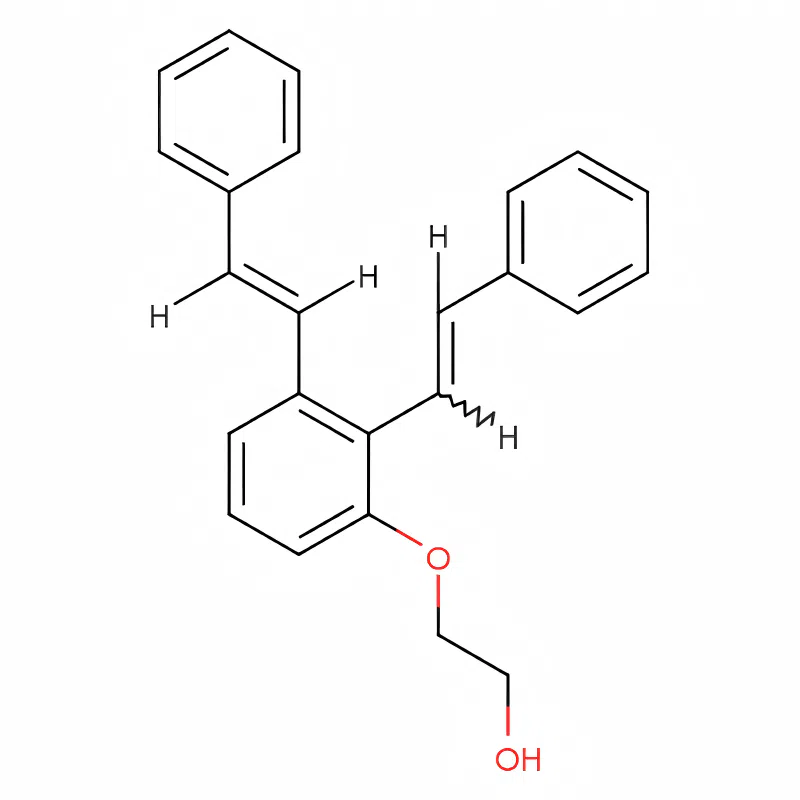
Styrene (C₈H₈), alternatively named vinylbenzene, phenylethylene or cinnamene, is an important aromatic hydrocarbon monomer that undergoes polymerization and copolymerization to form high-performance polymer materials. Beyond synthetic resin manufacturing, it is also extensively applied in synthetic rubber, plastic modification, coating production and chemical intermediate processing.
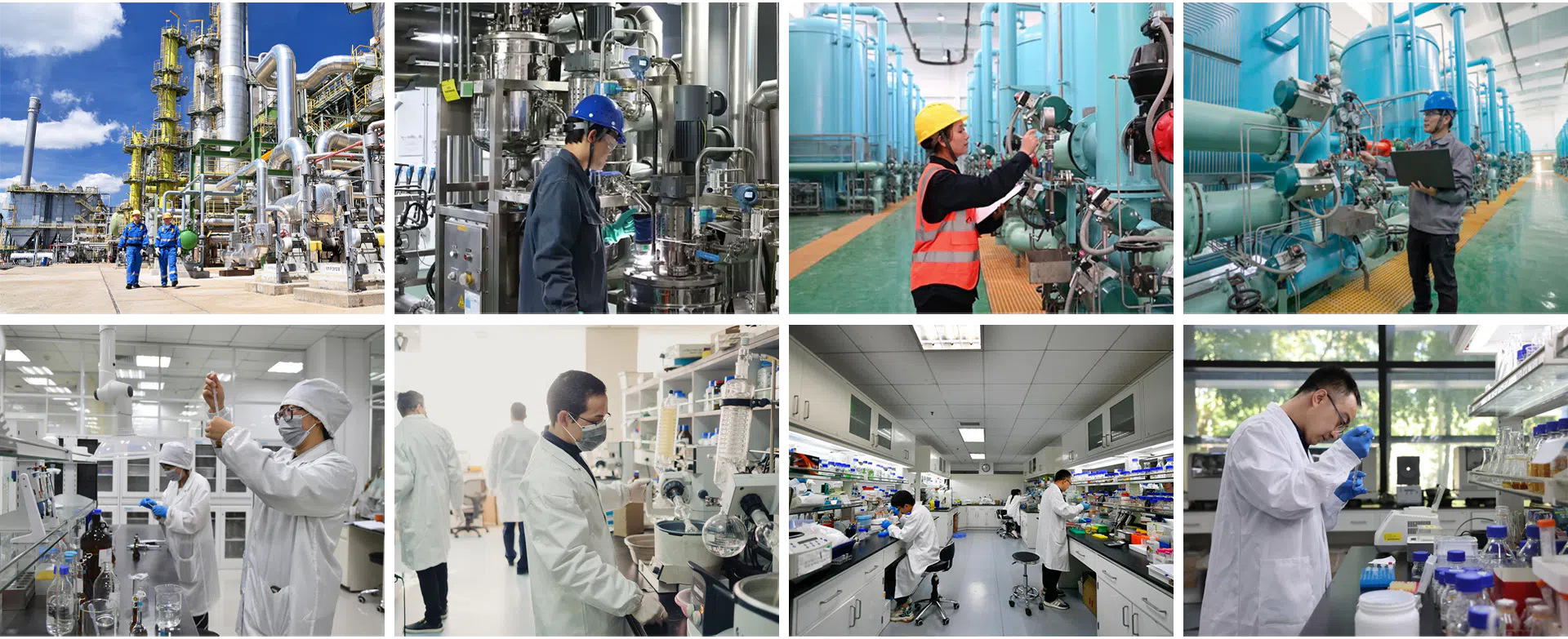
Factory Showcase
Chemical Properties of Styrene CAS# 100-42-5
| Melting point | -31 °C (lit.) |
| Boiling point | 145-146 °C (lit.) |
| density | 0.906 g/mL at 25 °C |
| vapor density | 3.6 (vs air) |
| vapor pressure | 12.4 mm Hg ( 37.7 °C) |
| refractive index | n20/D 1.546(lit.) |
| Fp | 88 °F |
| storage temp. | Store at <= 20°C. |
| solubility | 0.24g/l |
| pka | >14 (Schwarzenbach et al., 1993) |
| form | Liquid |
| Specific Gravity | 0.909 |
| color | Colorless |
| Odor | at 0.10 % in triacetin. sweet balsam floral plastic |
| Odor Type | balsamic |
| biological source | synthetic |
| explosive limit | 1.1-8.9%(V) |
| Odor Threshold | 0.035ppm |
| Water Solubility | 0.3 g/L (20 ºC) |
| FreezingPoint | -30.6℃ |
| Thermal Conductivity | 0.13 W/(m·K) at 25 ℃ |
| Specific Heat Capacity | Cp(liquid): 1.75 J/(g·K), at 25℃ |
| Sensitive | Air Sensitive |
| Merck | 14,8860 |
| BRN | 1071236 |
| Henry's Law Constant | (x 10-3 atmm3/mol): 3.91 at 25 °C (static headspace-GC, Welke et al., 1998) |
| Dielectric constant | 2.4(25℃) |
| Exposure limits | ACGIH:TLV-TWA 10 ppm; TLV-STEL 20 ppm OSHA:PEL-TWA 100 ppm; PEL-STEL 200 ppm; 600 ppm (Peak) for a single time period up to 5 min in any 3 hours NIOSH:REL-TWA 50 ppm (215 mg/m3); REL-STEL 100 ppm (425 mg/m3) |
| Stability: | Stable, but may polymerize upon exposure to light. Normally shipped with a dissolved inhibitor. Substances to be avoided include strong acids, aluminium chloride, strong oxidizing agents, copper, copper alloys, metallic salts, polymerization catalysts and accelerators. Flammable - vapour may travel considerable distance to ignition source |
| Major Application | environmental |
| Cosmetics Ingredients Functions | SOLVENT |
| InChI | 1S/C8H8/c1-2-8-6-4-3-5-7-8/h2-7H,1H2 |
| InChIKey | PPBRXRYQALVLMV-UHFFFAOYSA-N |
| SMILES | C=Cc1ccccc1 |
| LogP | 2.96 at 25℃ |
| CAS DataBase Reference | 100-42-5(CAS DataBase Reference) |
| IARC | 2A (Vol. 60, 82, 121) 2019 |
| NIST Chemistry Reference | Styrene(100-42-5) |
| EPA Substance Registry System | Styrene (100-42-5) |
Safety Information of Styrene CAS# 100-42-5
| Hazard Codes | Xn,T,F |
| Risk Statements | 10-20-36/38-40-36/37/38-39/23/24/25-23/24/25-11-48/20-63 |
| Safety Statements | 23-36-26-16-45-36/37-7-46 |
| OEB | A |
| OEL | TWA: 50 ppm (215 mg/m3), STEL: 100 ppm (425 mg/m3) |
| RIDADR | UN 2055 (STYRENE MONOMER, STABILIZED) |
| WGK Germany | 2 |
| RTECS | WL3675000 |
| Autoignition Temperature | 914 °F |
| TSCA | TSCA listed |
| HS Code | 2902 50 00 |
| HazardClass | 3 |
| PackingGroup | III |
| Storage Class | 3 - Flammable liquids |
| Hazard Classifications | Acute Tox. 4 Inhalation Aquatic Chronic 3 Asp. Tox. 1 Eye Irrit. 2 Flam. Liq. 3 Repr. 2 Skin Irrit. 2 STOT RE 1 Inhalation STOT SE 3 |
| Hazardous Substances Data | 100-42-5(Hazardous Substances Data) |
| Toxicity | LD50 in mice (mg/kg): 660 ± 44.3 i.p.; 90 ± 5.2 i.v. |
| IDLH | 700 ppm |
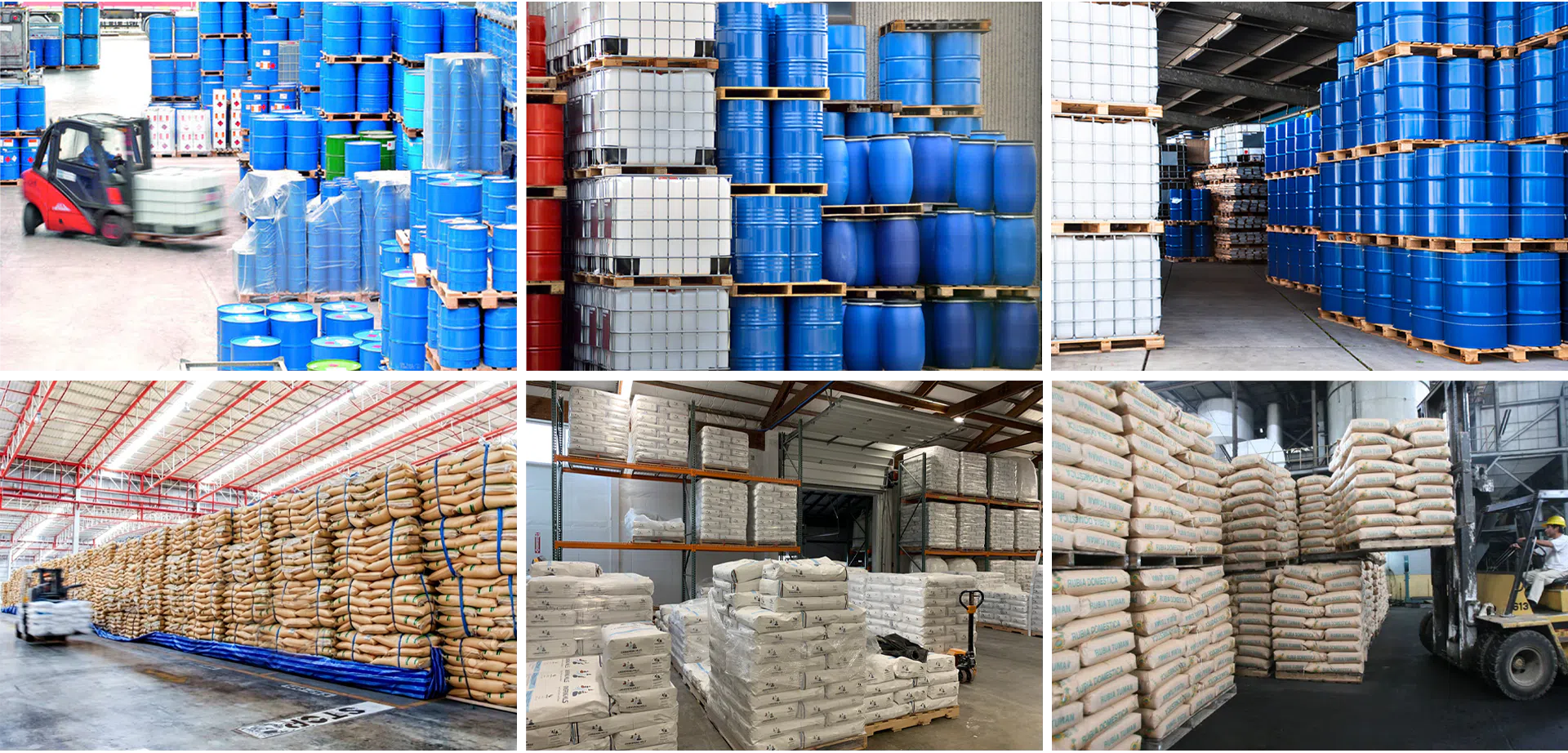
Inventory Display
Product Application of Styrene CAS# 100-42-5
Styrene is a high-activity polymer monomer that is effective for producing polystyrene, ABS resin and SBR rubber and has stable polymerization performance in industrial production systems. It is typically used in polymer synthesis with strict purity standards, with its reaction efficiency and product quality depending on formulation temperature and catalyst conditions.
In industrial applications, styrene can be used as a core raw material in plastic products, rubber materials and various resin formulations. It is mainly produced through industrial ethylbenzene dehydrogenation processes and manufactured for large-scale petrochemical and polymer industries.
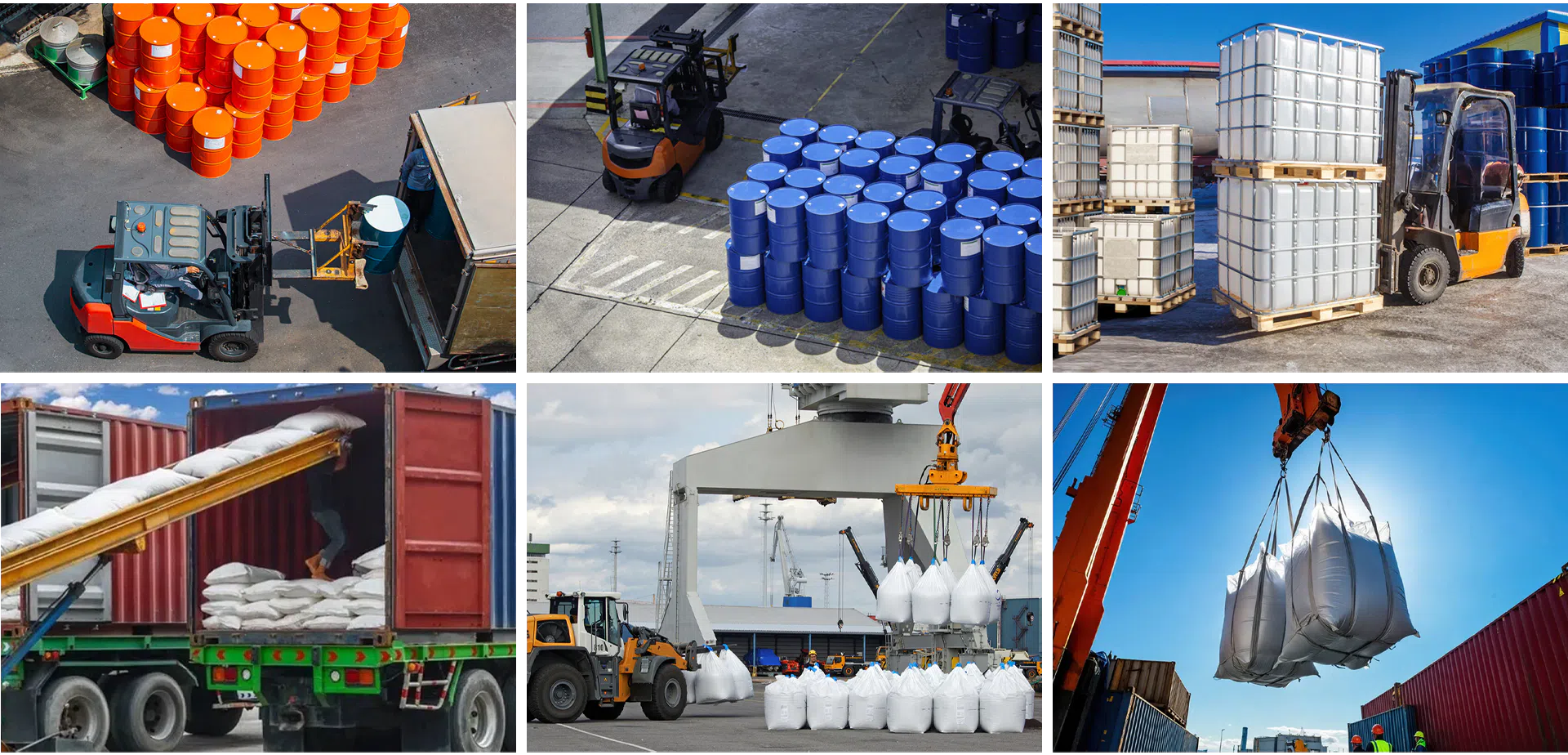
Transportation and Delivery