Product Description of Acrylonitrile CAS#107-13-1
Acrylonitrile is a colorless, highly flammable liquid and an important unsaturated nitrile compound widely produced by the chemical industry. It is primarily used as a key raw material and chemical intermediate in the manufacture of acrylic and modacrylic fibers, ABS and SAN plastics, synthetic rubber, and various specialty chemicals.
Acrylonitrile also serves as an intermediate in the production of pharmaceuticals, dyes, antioxidants, and other organic compounds. Its derivative adiponitrile is further utilized in the manufacture of nylon, pharmaceuticals, dyes, and other chemical products. SAN plastics produced from acrylonitrile are widely applied in automotive components, household goods, packaging, office equipment, luggage, and building materials.
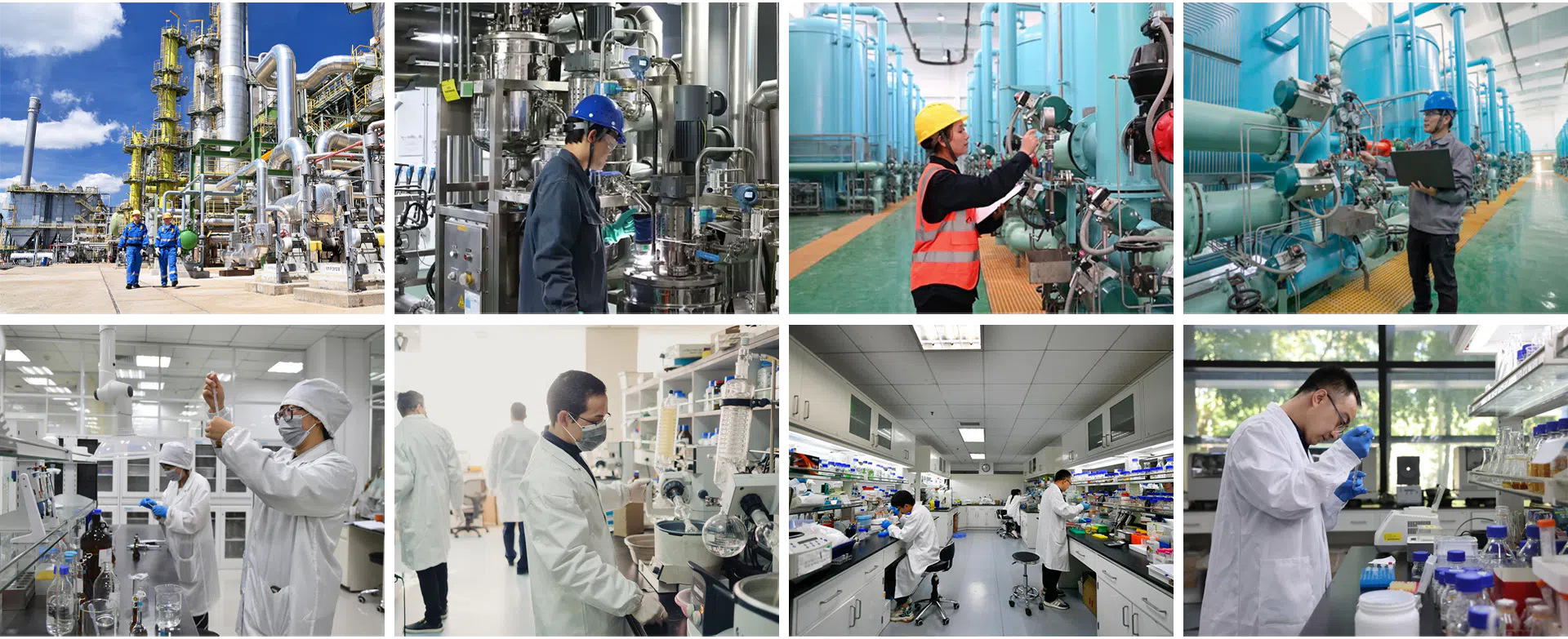
Factory Showcase
Chemical Properties of Acrylonitrile CAS#107-13-1
| Melting point | -83 °C (lit.) |
| Boiling point | 77 °C (lit.) |
| density | 0.806 g/mL at 20 °C |
| vapor density | 1.83 (vs air) |
| vapor pressure | 86 mm Hg ( 20 °C) |
| refractive index | n |
| Fp | 32 °F |
| storage temp. | 2-8°C |
| solubility | 73g/l |
| form | Liquid |
| color | Clear |
| PH | 6.0-7.5 (50g/l, H2O, 20℃) |
| Odor | Mild pyridine-like odor at 2 to 22 ppm |
| Odor Threshold | 8.8ppm |
| explosive limit | 2.8-28%(V) |
| Water Solubility | Soluble. 7.45 g/100 mL |
| Thermal Conductivity | 0.166 W/(m·K) at 25 ℃ |
| Sensitive | Light Sensitive |
| Merck | 14,131 |
| BRN | 605310 |
| Henry's Law Constant | 1.30 at 30.00 °C (headspace-GC, Hovorka et al., 2002) |
| Exposure limits | ACGIH TLV-TWA:2 ppm (4.3 mg/m3) OSHA PEL-TWA:2 ppm,15-min;PEL-Ceiling:10 ppm NIOSH REL-TWA:1 ppm;REL-Ceiling:10 ppm[15 min];IDLH:85 ppm |
| Dielectric constant | 33.009999999999998 |
| Major Application | agriculture environmental |
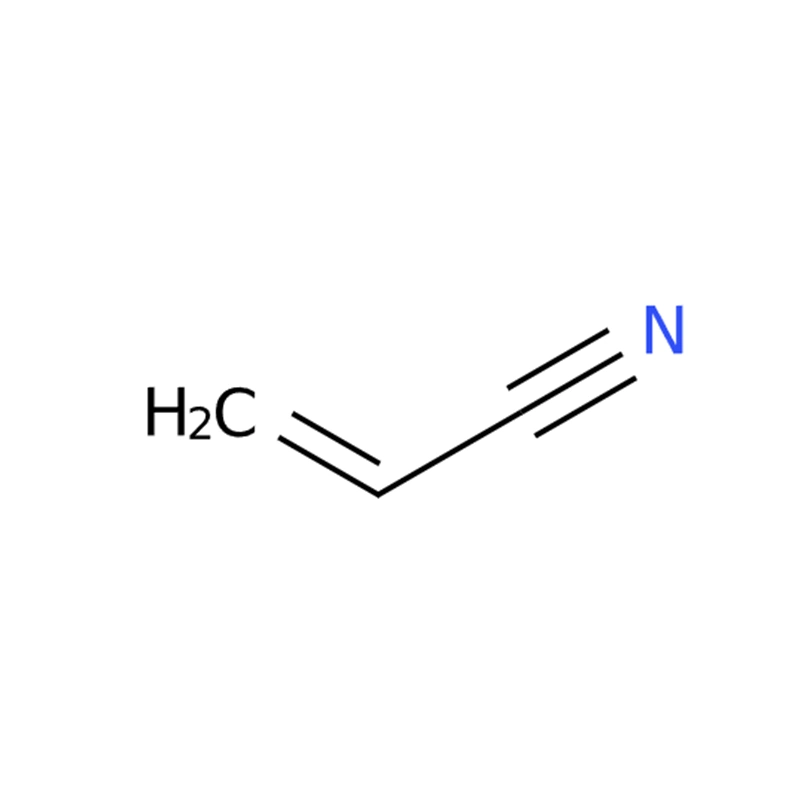
| InChI | 1S/C3H3N/c1-2-3-4/h2H,1H2 |
| InChIKey | NLHHRLWOUZZQLW-UHFFFAOYSA-N |
| SMILES | C=CC#N |
| LogP | 0.017 at 21℃ |
| CAS DataBase Reference | 107-13-1(CAS DataBase Reference) |
| IARC | 2B (Vol. 71) 1999 |
| NIST Chemistry Reference | 2-Propenenitrile(107-13-1) |
| EPA Substance Registry System | Acrylonitrile (107-13-1) |
Safety Information
| Hazard Codes | F,T,N,Xn |
| Risk Statements | 45-11-23/24/25-37/38-41-43-51/53-39/23/24/25-62-63 |
| Safety Statements | 53-9-16-45-61-36/37 |
| OEB | D |
| OEL | TWA: 1 ppm, Ceiling: 10 ppm [15-minute] [skin] |
| RIDADR | UN 1093 (ACRYLONITRILE, STABILIZED) |
| WGK Germany | 3 |
| RTECS | AT5250000 |
| F | 8 |
| Autoignition Temperature | 481 °C |
| TSCA | TSCA listed |
| HazardClass | 3 |
| PackingGroup | I |
| HS Code | 29261000 |
| Hazardous Substances Data | 107-13-1(Hazardous Substances Data) |
| Toxicity | LD50 orally in rats: 0.093 g/kg (Smyth, Carpenter) |
| IDLH | 60 ppm |
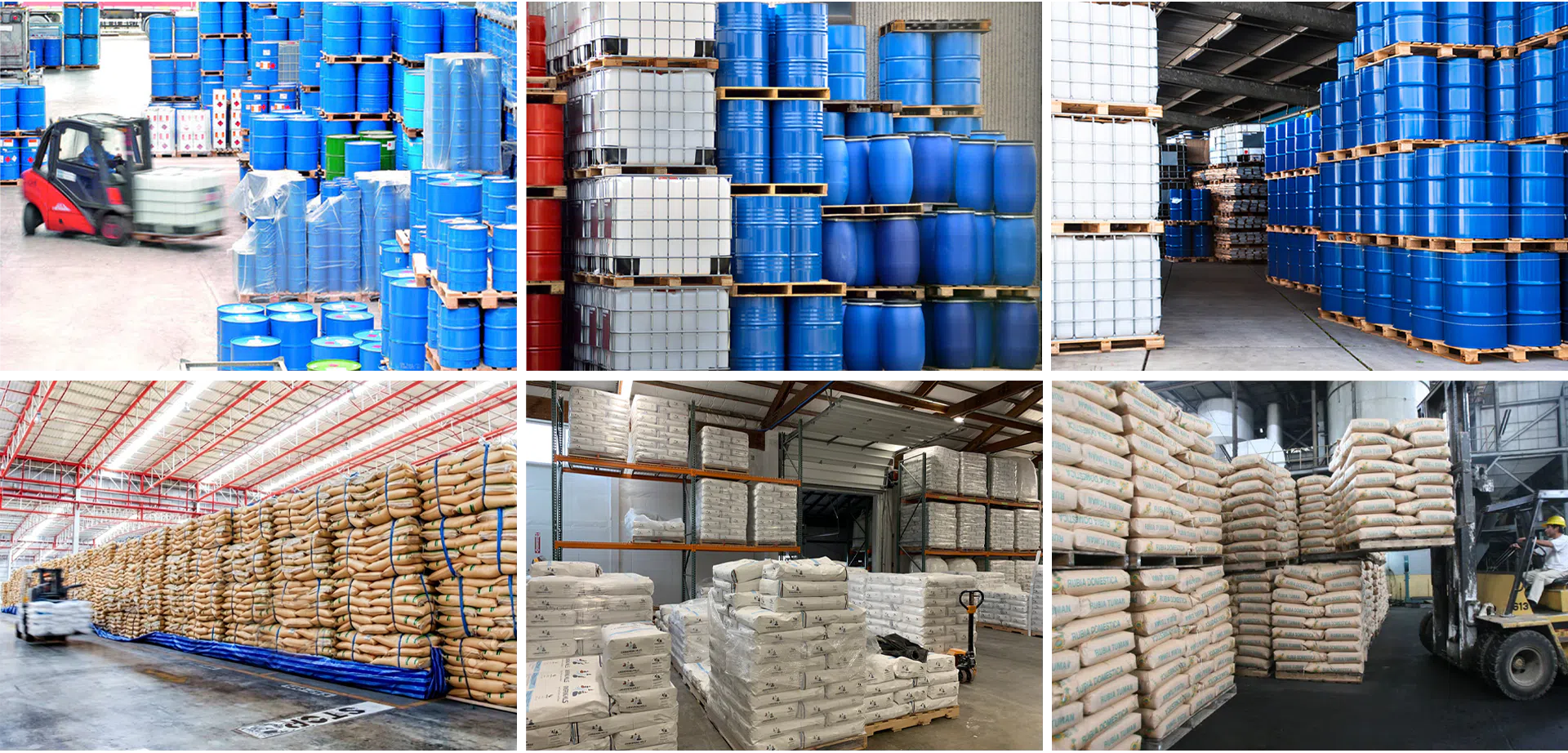
Inventory Display
Product Application of Acrylonitrile CAS#107-13-1
Acrylonitrile is mainly used in the manufacture of acrylic and modacrylic fibers. It is also an important raw material for producing various industrial chemicals and materials, including acrylonitrile-butadiene-styrene (ABS) resins, styrene-acrylonitrile (SAN) resins, adiponitrile, acrylamide, nitrile rubber, and barrier resins.
The production of ABS and SAN resins is one of the major applications of acrylonitrile. ABS resins typically contain around 25 wt% acrylonitrile and are widely used in automotive components, recreational vehicle parts, pipe fittings, household appliances, and other durable products. SAN resins generally contain approximately 25–30 wt% acrylonitrile and are valued for their excellent transparency and clarity, making them suitable for automotive instrument panels, instrument lenses, household products, and various consumer applications.
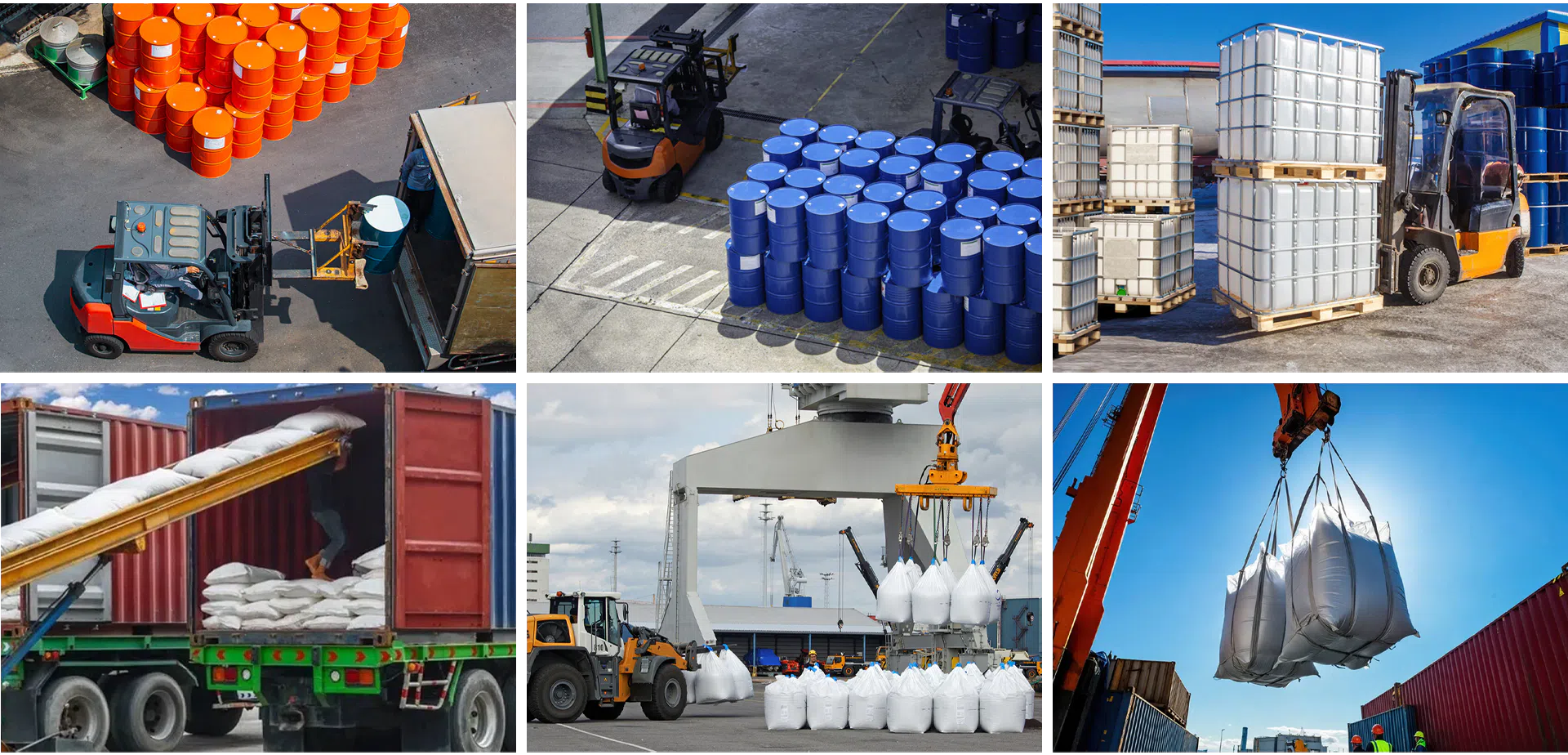
Transportation and Delivery