
Product Description of Palatinose CAS#58166-27-1
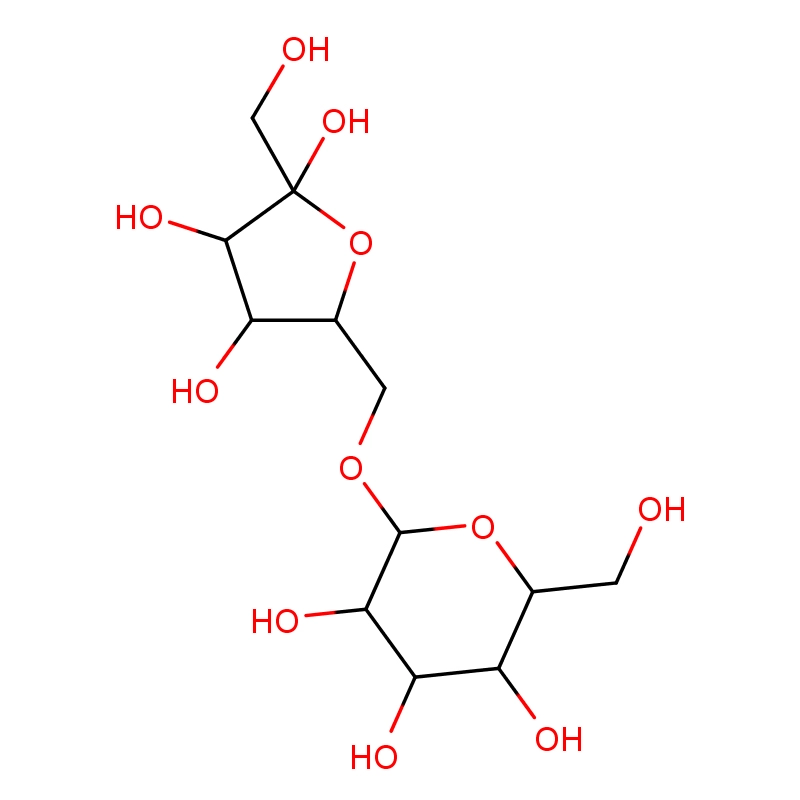
Isomaltulose, commercially named Palatinose, is an isomer of sucrose synthesized from sucrose using α-glucosyltransferase for conversion and purification. Developed with enzyme bioengineering, it improves sucrose’s performance as a nutritive sweetener and offsets health problems brought on by too much sucrose intake.
It is a disaccharide made up of glucose and fructose. The enzyme breaks sucrose’s inherent α-1,2 bond and rearranges the two sugars into an α-1,6 bond; this single structural difference makes it sucrose’s isomer. Its physical traits include white odorless crystals, molecular weight 360.32 with one water of crystallization, a melting point of 124°C and specific rotation [α]₂₀ᴰ = 97.2. It barely absorbs moisture, dissolves less easily and has lower viscosity than sucrose, and stands stable under acidic conditions. Manufacturers currently produce Palatinose by bioconverting sucrose with immobilized cell/enzyme technology.
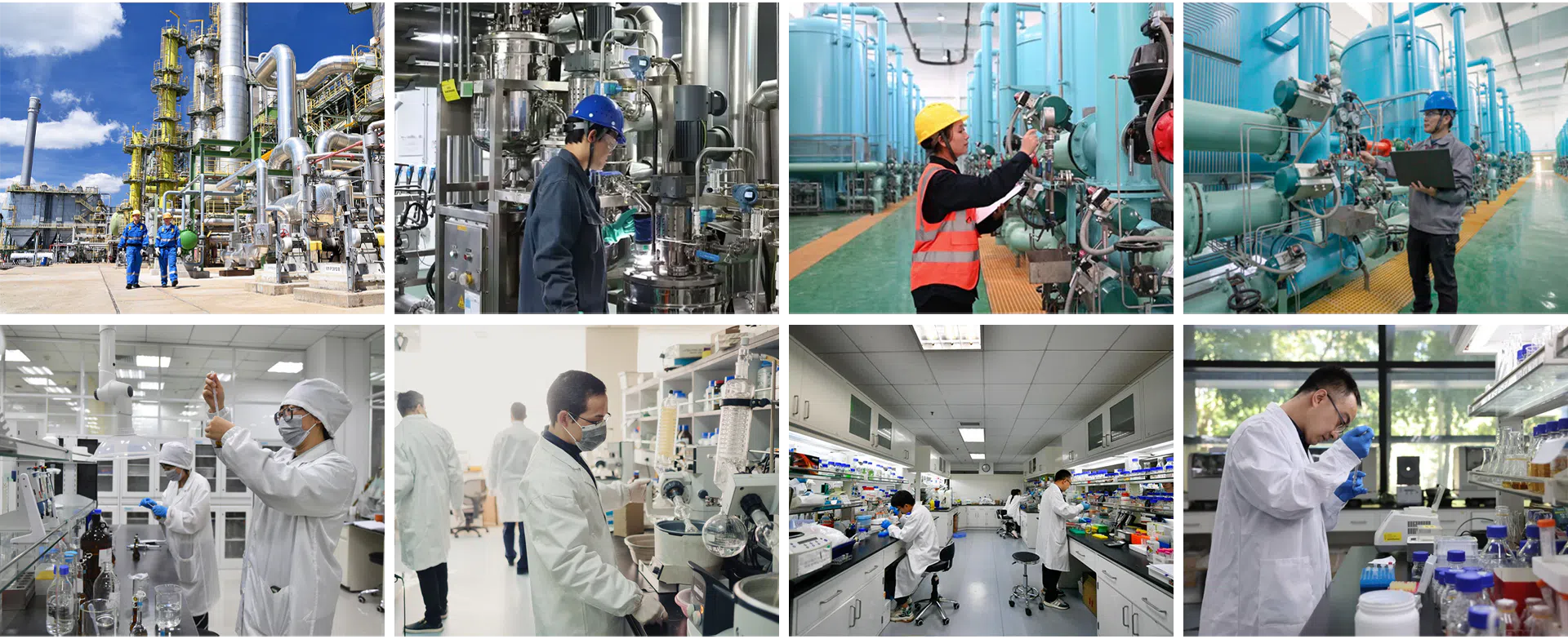
Factory Showcase
Palatinose Chemical Properties
| Melting point | 125-128°C |
| Alpha | 100 º (c=2, H2O) |
| Boiling point | 684.1±55.0 °C(Predicted) |
| Density | 1.77±0.1 g/cm3(Predicted) |
| Storage temp | Hygroscopic, -20°C Freezer, Under inert atmosphere |
| Solubility | DMSO (Slightly), Water (Slightly) |
| Form | Solid |
| Pka | 11.39±0.70(Predicted) |
| Color | White to Off-White |
| Safety Statements | 24/25 |
| HS Code | 29329990 |
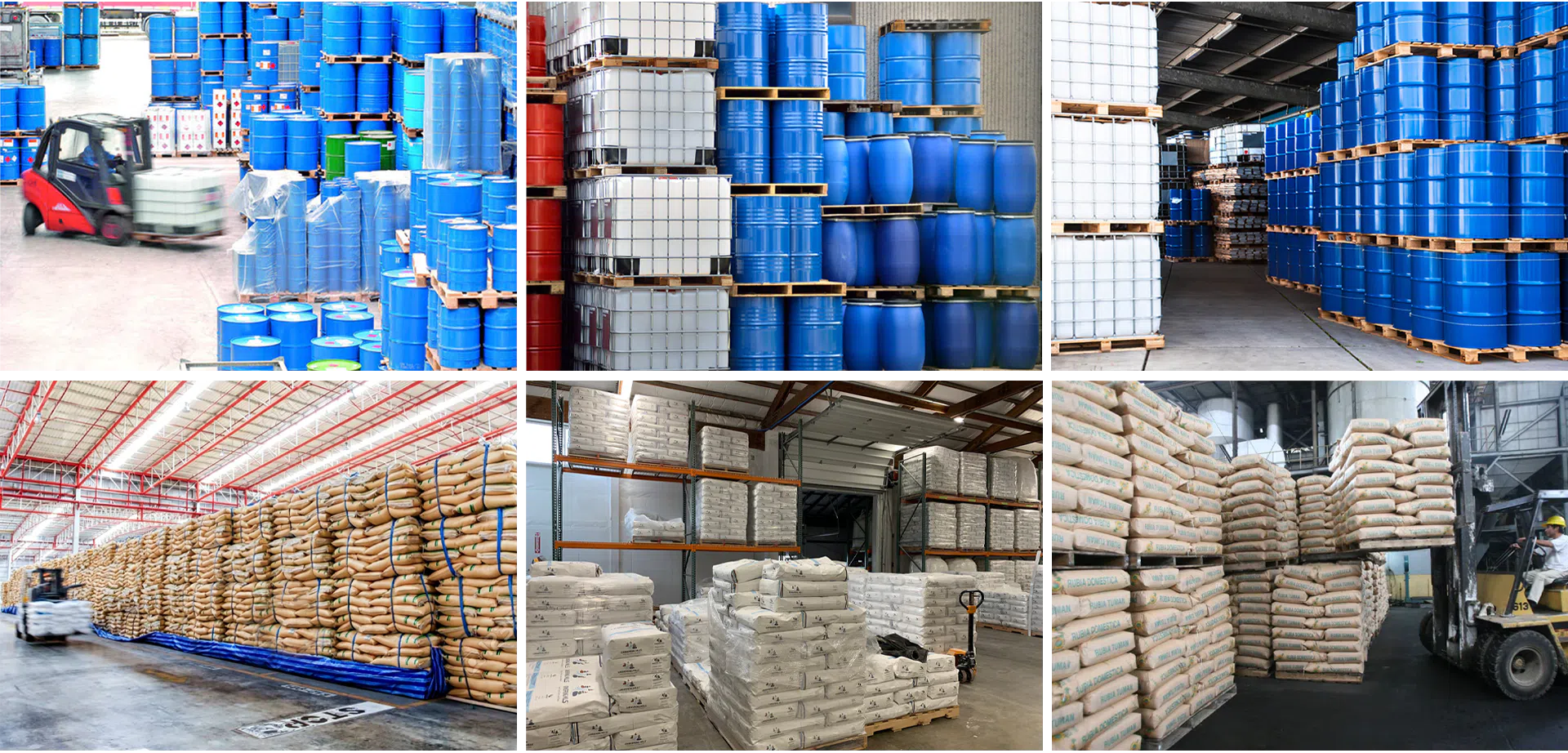
Inventory Display
Product Application of Palatinose
Palatinose tastes moderately sweet, hardly absorbs moisture and holds up well under acidic environments. Yeast and many microorganisms cannot metabolize it. It tastes nearly identical to sucrose and will not trigger tooth decay, plus it fits dietary needs of people with diabetes. For this reason, manufacturers may use it to replace all or part of sucrose in beverages, frozen foods and various edibles. Widely seen applications include cold desserts, pastries, fruit concentrates, candy, preserved fruit, jam, mixed wine, biscuits and bread.
After consumption, digestive enzymes in the small intestine slowly split palatinose into glucose and fructose. Slow absorption stabilizes blood sugar and prevents drastic insulin spikes, hence its suitability for diabetics. Since it does not cause dental caries, it is also a great sugar choice for growing kids and teenagers who require sugar intake daily.
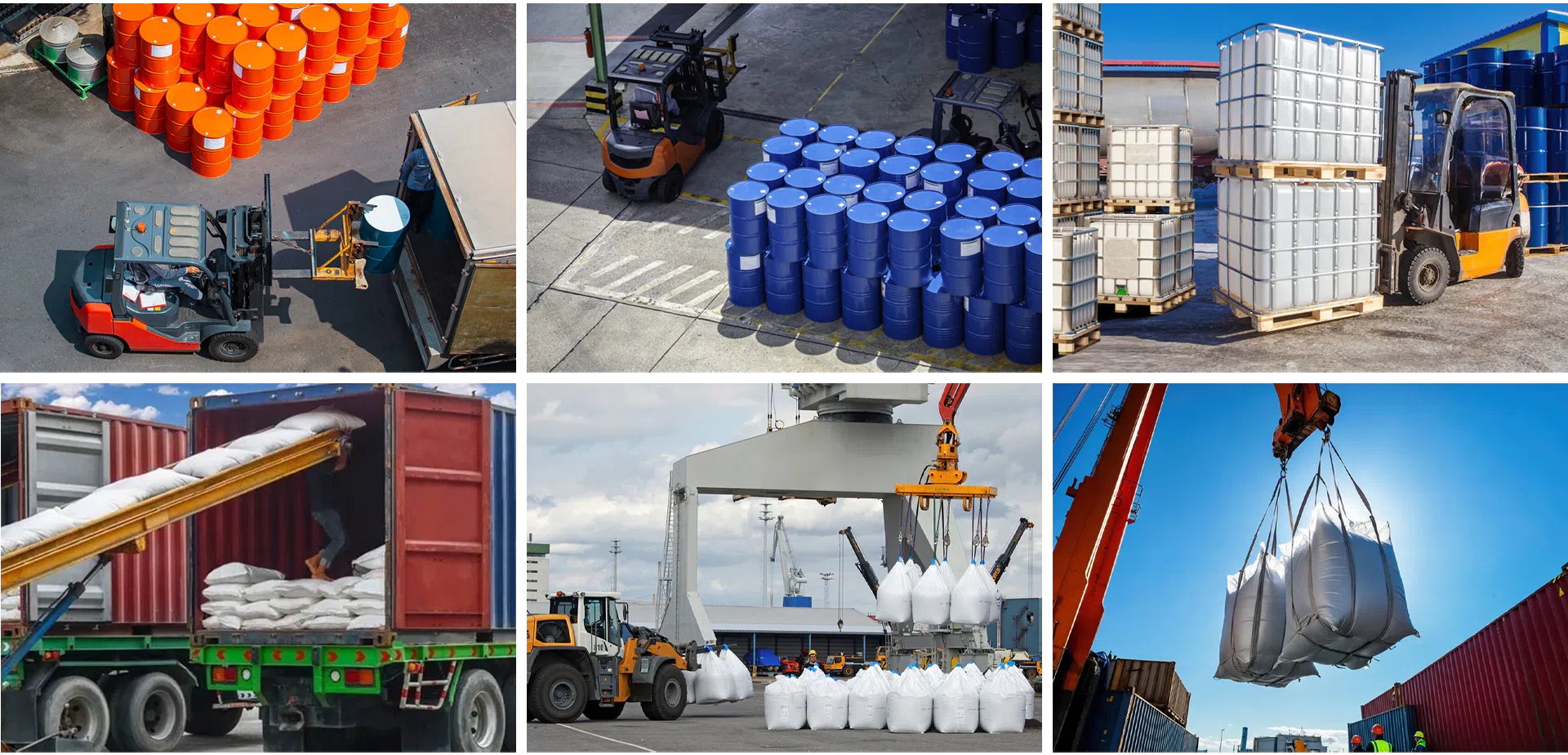
Transportation and Delivery