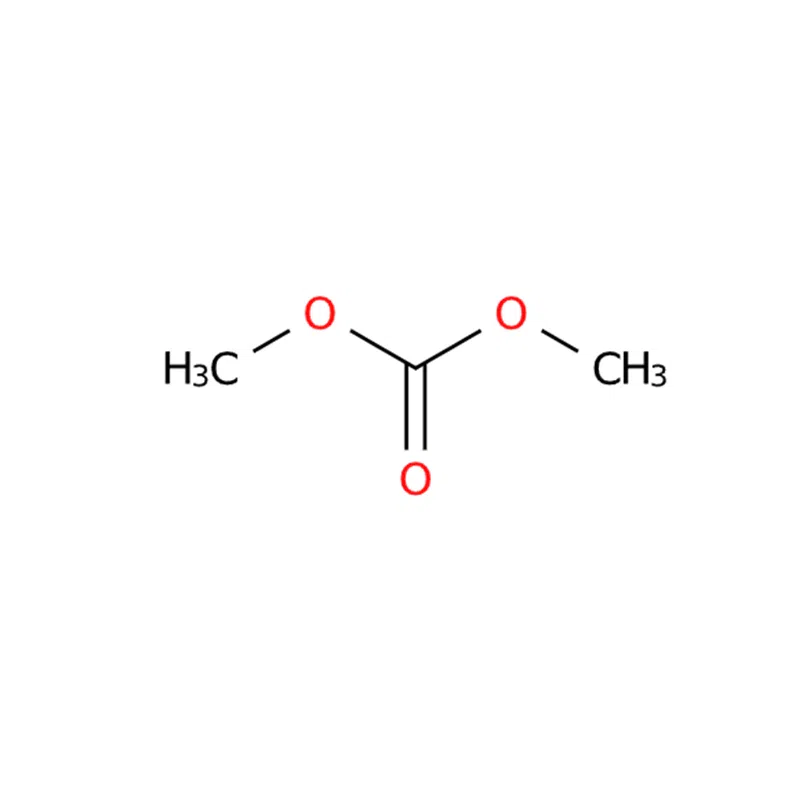
Product Description of Dimethyl carbonate CAS#616-38-6
Dimethyl carbonate (DMC) appears as a colorless, clear liquid with a distinctive odor under ambient conditions. Its key physical properties include: relative density (D20/4) of 1.0694, melting point at 4 °C, boiling point at 90.3 °C, open-cup flash point of 21.7 °C, closed-cup flash point of 16.7 °C, and refractive index (nD20) of 1.3687.
DMC is a flammable substance with low toxicity. It is fully miscible with the majority of organic solvents such as alcohols, ketones and esters, yet exhibits limited solubility in water. Functioning as a practical methylating agent, DMC outperforms classic methylating agents (methyl iodide, dimethyl sulfate) in terms of reduced toxicity and improved biodegradability.
Phosgene-dependent synthetic routes have fallen out of mainstream use. Modern-day DMC production mainly adopts methanol catalytic oxidative carbonylation with oxygen as the reactant, representing a more eco-conscious manufacturing pathway.
DMC is applicable to carry out methylation on aniline, phenol, carboxylic acids and other substrates. Some reactions demand high-pressure conditions. For the methylation of carboxylic acids with DMC, DBU may be introduced as a catalyst under reflux conditions.
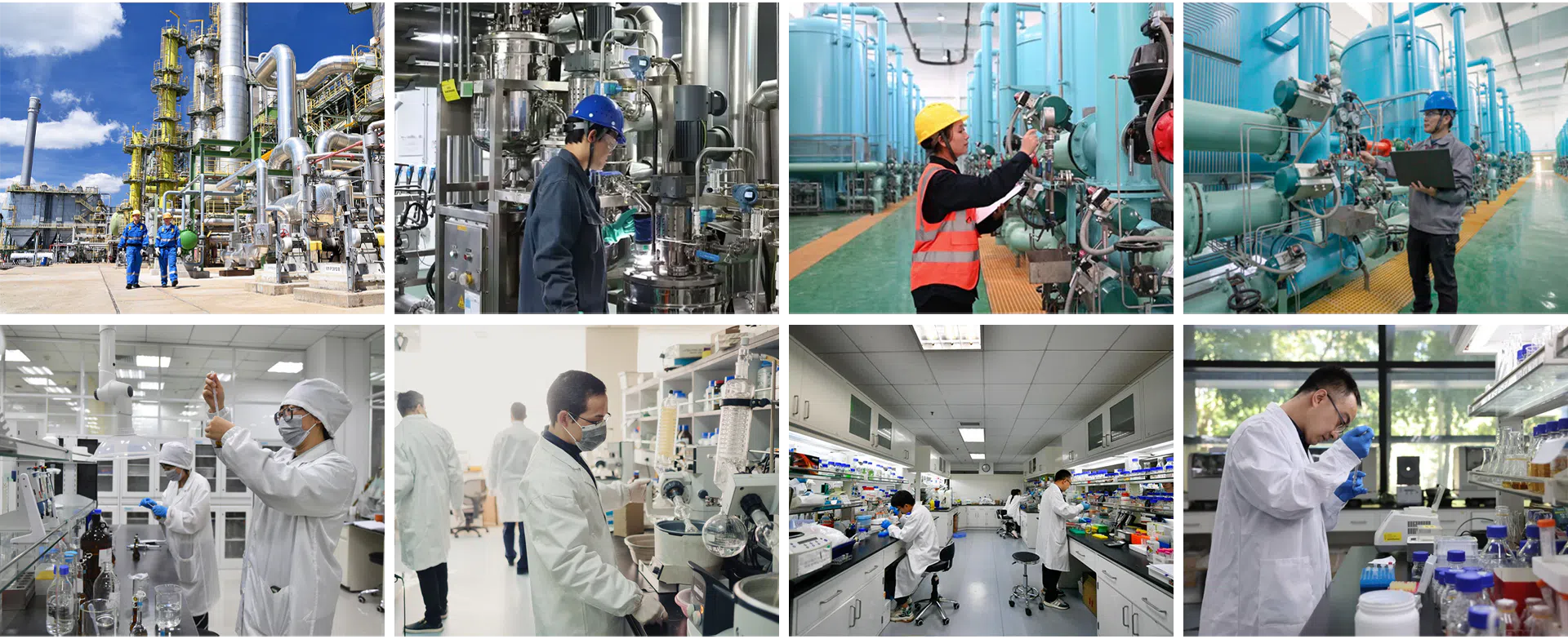
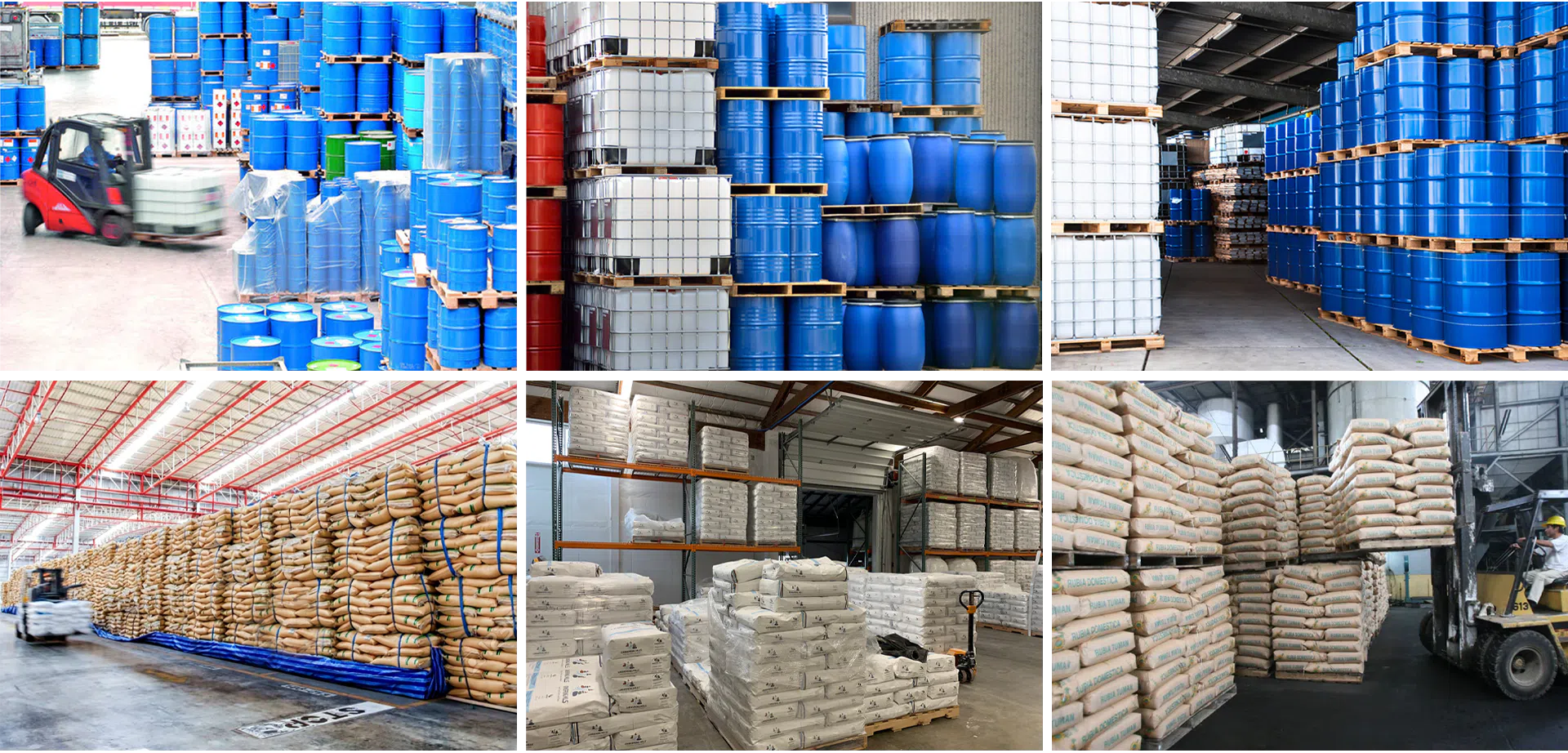
Factory Showcase
Chemical Properties of Dimethyl carbonate CAS#616-38-6
| Melting point | 2-4 °C (lit.) |
| Boiling point | 90 °C (lit.) |
| density | 1.069 g/mL at 25 °C (lit.) |
| vapor density | 3.1 (vs air) |
| vapor pressure | 18 mm Hg ( 21.1 °C) |
| refractive index | n20/D 1.368(lit.) |
| Fp | 65 °F |
| storage temp. | Store below +30°C. |
| solubility | 139g/l |
| form | Liquid |
| color | <50(APHA) |
| Odor | Pleasant |
| explosive limit | 4.22-12.87%(V) |
| Water Solubility | 139 g/L |
| Sensitive | Moisture Sensitive |
| Merck | 143241 |
| BRN | 635821 |
| Dielectric constant | 3.17 |
| Stability: | Stable. Highly flammable. Incompatible with strong oxidizing agents, potassium t-butoxide. |
| InChIKey | IEJIGPNLZYLLBP-UHFFFAOYSA-N |
| LogP | 0.23-0.354 at 20-25℃ |
| CAS DataBase Reference | 616-38-6(CAS DataBase Reference) |
| NIST Chemistry Reference | Carbonic acid, dimethyl ester(616-38-6) |
| EPA Substance Registry System | Carbonic acid, dimethyl ester (616-38-6) |
Safety Information
| Hazard Codes | F |
| Risk Statements | 11 |
| Safety Statements | 9-16-2017/9/16 |
| RIDADR | UN 1161 3/PG 2 |
| WGK Germany | 1 |
| RTECS | FG0450000 |
| Autoignition Temperature | 458 °C |
| TSCA | Yes |
| HS Code | 2920 90 10 |
| HazardClass | 3 |
| PackingGroup | II |
| Hazardous Substances Data | 616-38-6(Hazardous Substances Data) |
| Toxicity | LD50 in rats (g/kg): 13.8 orally; 2.5 dermally; LC50 (4 hr) in rats (mg/l): 140 by inhalation (Ono) |
Inventory Display
Product Application of Dimethyl carbonate CAS#616-38-6
Dimethyl carbonate has extensive applications as a solvent within organic synthesis. As a green solvent option, it can replace methyl ethyl ketone, tert-butyl acetate, parachlorobenzotrifluoride and other comparable solvents.
It acts as a critical intermediate for synthesizing diphenyl carbonate, and diphenyl carbonate is an essential feedstock for producing bisphenol-A-based polycarbonate. Beyond that, DMC works as an eco-friendly methylating agent to carry out methylation of aniline, phenolic compounds and carboxylic acids.
Thanks to its high oxygen content, dimethyl carbonate is also suitable for fuel-additive usage. Additionally, it has gained practical use in supercapacitor and lithium-ion battery sectors.
Being an environmentally safe chemical, dimethyl carbonate serves as a less-hazardous substitute for dimethyl sulfate and methyl halides in methylation reactions. It can also take the place of phosgene for methoxycarbonylation and carbonylation procedures.
Transportation and Delivery