

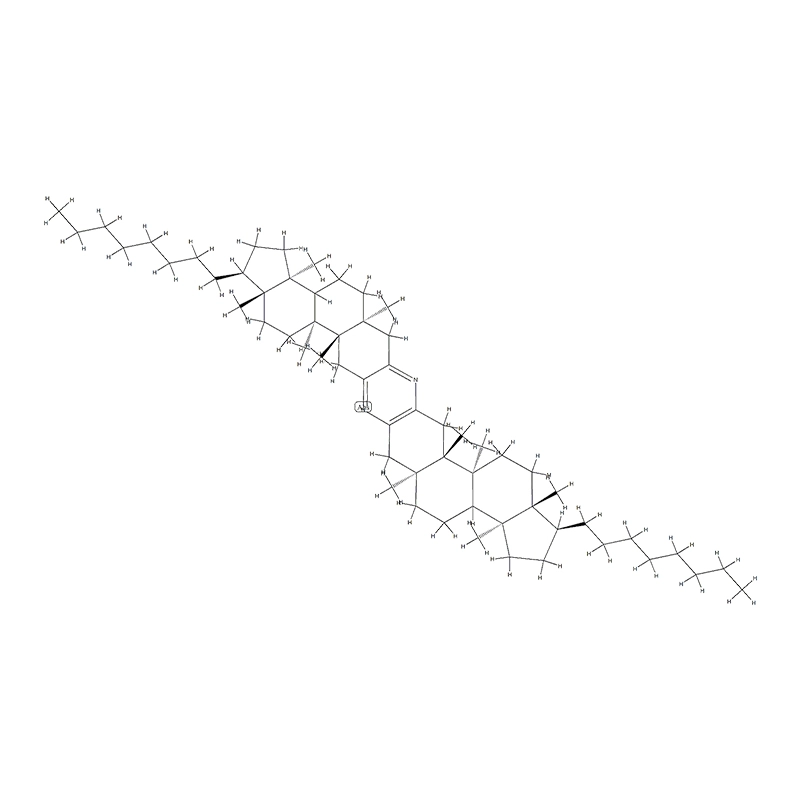
Products Description of Collagenase CAS#9001-12-1
Collagenase, alternatively named clostridial peptidase, is a proteolytic enzyme obtained via fermentation of Clostridium histolyticum.
Medical-grade collagenase is purified from the fermentation broth of Clostridium histolyticum strain ATCC 21000, and it exerts potent catalytic cleavage activity against peptide bonds featuring the Gly–Pro sequence.
It breaks down intact native collagen molecules, creating optimal substrates for other proteolytic enzymes, and possesses a distinctive dual capacity to hydrolyze and denature collagen simultaneously.
This medical collagenase preparation efficiently digests both native and denatured collagen, displays prominent debriding activity against necrotic tissue, and facilitates granulation tissue formation alongside epithelial cell proliferation.
The enzyme shows no degradative effect on globulin or fibrin, so intact blood vessels and muscle tissue remain undamaged. It is extensively indicated for wound debridement, eschar removal, and clinical management of chronic cutaneous ulcers, pressure injuries, as well as second- and third-degree burns.
Factory Showcase
Collagenase Chemical Properties
| Storage temp | -20°C |
| Solubility | Soluble in aqueous buffers. |
| Form | powder |
| Color | light brown |
| PH | 7 |
| Merck | 2481 |
| InChIKey | YRQNKMKHABXEJZ-UVQQGXFZSA-N |
| CAS DataBase Reference | 9001/12/1 |
| EPA Substance Registry System | Collagenase (9001-12-1) |
| Hazard Codes | Xn |
| Risk Statements | 36/37/38-42 |
| Safety Statements | 22-24-26-36/37 |
| WGK Germany | 1 |
| F | 10-21 |
| HS Code | 3507907000 |
Inventory Display
Product Application of Collagenase CAS#9001-12-1
Collagen is vital for wound recovery and scar control. As a core elastic & bonding tissue ingredient, it boosts cell growth, tissue regeneration and connective tissue growth. It also stimulates capillary regrowth, attracts repair cells, and balances granulation tissue nutrition. Research proves it heals all types of skin ulcers, accelerating wound surface epithelialization and granulation growth.
Collagen makes up 70–80% of bone organic matter. It forms the basic skeletal frame during bone growth, earning it the nickname "bone’s inner skeleton". Collagen fibers grant bones toughness and flexibility, like steel rebar in concrete. Low collagen levels weaken bones and raise fracture risks sharply.
Collagen dominates breast connective tissue, which together with fat determines breast fullness and outline. It cross-links with glycoproteins to build a supportive mesh, holding breast shape and keeping an upright silhouette.
Known as the inner support of skin and soft tissue, collagen builds the dermis framework (a 2mm-thick layer split into three sublayers). Collagen accounts for 70% of skin mass alongside elastin. It acts as a full-body protective layer, letting skin stretch freely while retaining elasticity, tightness and barrier defense.
Transportation and Delivery