
The Middle East serves as the core hub of global crude oil supply and energy transportation. Frequent geopolitical tensions in the region have become a key factor triggering sharp fluctuations in international crude oil prices, further driving widespread price adjustments across the global chemical industry. As most chemical products are petroleum-based derivatives, crude oil price volatility directly reshapes the cost structure, supply chain stability and market pricing of fine chemicals, solvents and industrial chemical raw materials, bringing both challenges and market adjustments to global chemical trade.

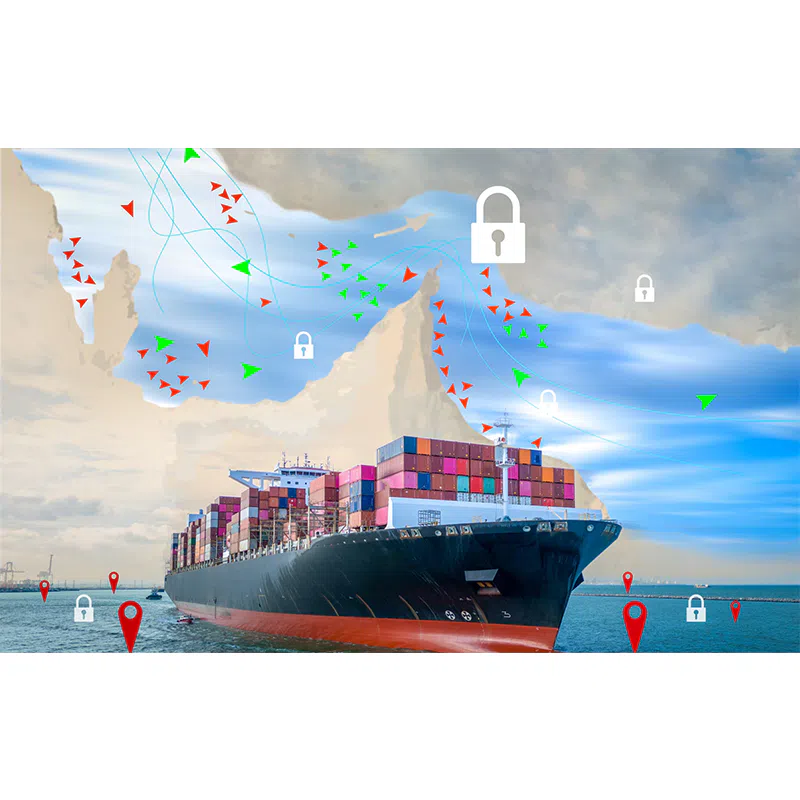
Geopolitical conflicts in the Middle East primarily affect chemical market prices through two core channels: supply disruption and cost transmission. The Strait of Hormuz, the vital global energy shipping passage, undertakes nearly one-third of the world’s crude oil seaborne trade. Regional military frictions and shipping restrictions easily trigger market supply concerns, rapidly pushing up the geopolitical risk premium of crude oil and causing short-term spikes in international oil prices. Such sudden price surges are quickly transmitted downstream along the petrochemical industrial chain from crude oil to naphtha, aromatics and various basic chemical raw materials.
Downstream chemical products including xylene, ethyl acetate, titanium dioxide auxiliary materials and rubber processing solvents are highly dependent on crude oil-based raw materials. When crude oil prices rise, production costs, refining expenses and raw material procurement costs increase synchronously, directly driving up the market prices of finished chemical products. In addition, tense regional situations hinder the export of local crude oil and chemical intermediates, reduce global market supply, and further exacerbate the imbalance between supply and demand, leading to continuous price fluctuations in the chemical sector.
Different from short-term market speculation, the current chemical price fluctuation presents a typical pattern of “geopolitical sentiment dominating short-term trends and supply-demand fundamentals restricting long-term increases”. Once regional tensions ease and shipping logistics recover, crude oil prices will gradually return to a rational range, and chemical product prices will also stabilize accordingly.
Amid the volatile global market, stable supply chain and transparent pricing have become core advantages for chemical foreign trade enterprises. Our company keeps a close eye on international crude oil trends and Middle East geopolitical dynamics, adjusts inventory and quotation strategies in a timely manner, and adheres to providing customers with stable-quality products, reasonable and transparent prices, and reliable long-term supply services to help global clients effectively hedge market risks.


